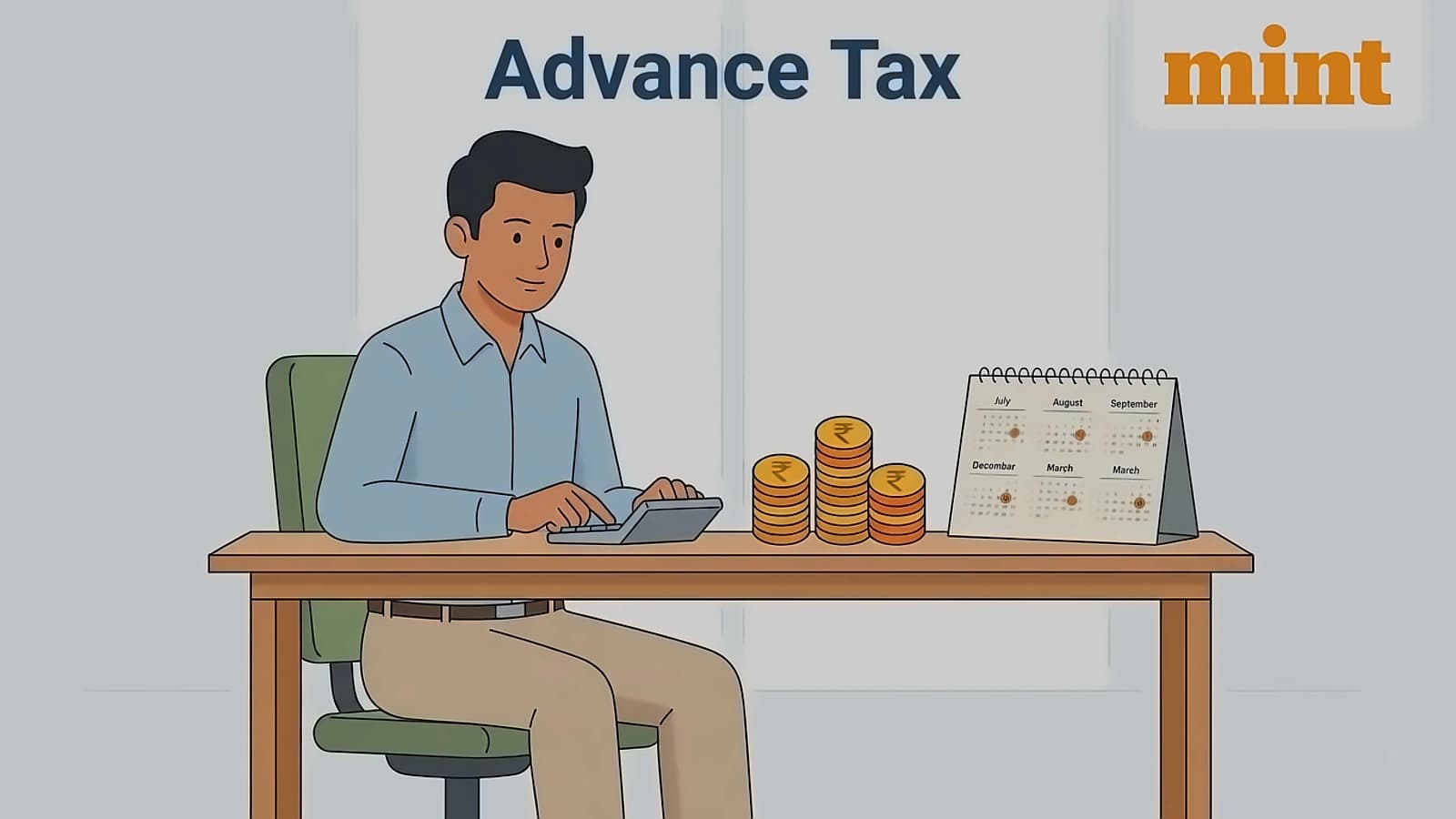
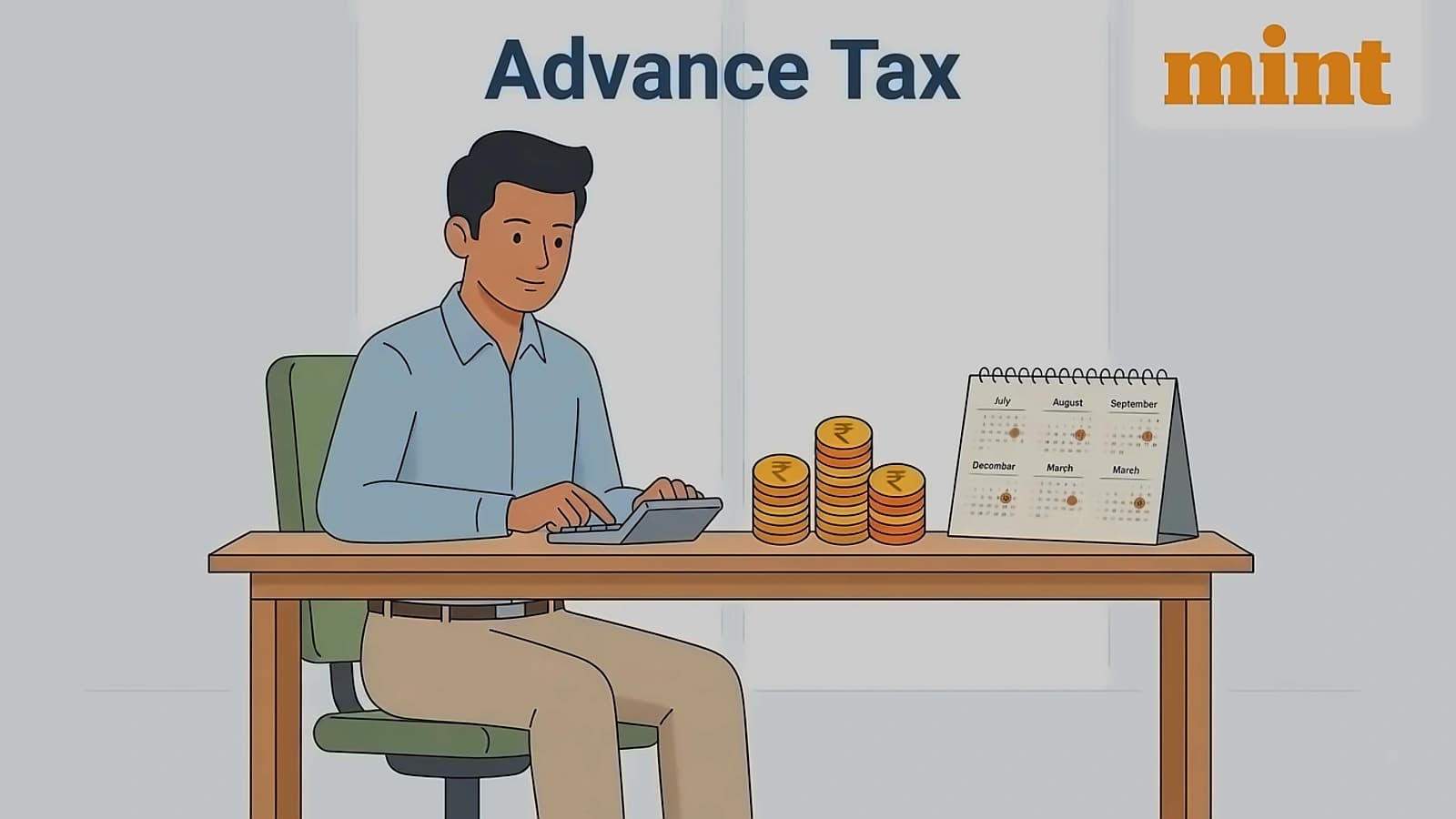
The first advance tax instalment for FY 2026-27 is due on June 15, 2026. According to tax experts, advance tax is mandatory when the estimated tax liability for the financial year exceeds ₹10,000. This system requires taxpayers to pay tax on income during the financial year in which it is earned rather than waiting until the end of the year. Taxpayers must calculate their expected income from all sources, including salary, business or professional income, capital gains, rental income and interest earnings, while claiming eligible deductions under Chapter VI-A. As per the Income Tax Department, advance tax follows a "pay as you earn" approach, designed to spread tax payments across the year and applies to taxpayers whose estimated tax liability for the financial year exceeds the prescribed threshold after accounting for TDS and TCS credits. The system is governed under sections 403 to 410 of the Income Tax Act.
As per income tax rules, resident senior citizens aged 60 years or above are exempt from paying advance tax if they do not have income from business or profession. However, senior citizens earning income from business or professional activities may still be liable to pay advance tax if their tax liability exceeds ₹10,000 in a financial year. This exemption applies specifically to those who are not engaged in any business or professional activities during the financial year. For taxpayers whose income is already subject to TDS/TCS, advance tax is still applicable if additional income such as capital gains, rental income, or interest income result in a tax liability exceeding ₹10,000 during the financial year. As per the tax department, senior citizen taxpayers with business or professional income are also required to pay advance tax.
The advance tax payment schedule requires 15% of total advance tax by June 15, 45% by September 15, 75% by December 15, and 100% by March 15. According to tax experts, any non-payment or short-payment of advance tax will attract interest at the rate of 1% per month under sections Sections 424 and 425 of the Income-tax Act, 2025. Taxpayers should ensure at least 15% of the estimated annual tax liability is paid by the June 15 deadline to avoid interest charges. As per the rules, taxpayers are required to pay at least 15% of their total tax liability in the first installment. Non-compliance with advance tax rules can lead to penalties under Sections 424 and 425 of the Income-tax Act, 2025, with the Assessing Officer also having the power to issue a demand notice in Form 28 for unpaid advance tax. The interest charges can increase the overall tax liability, resulting in loss of savings.
Taxpayers who should particularly focus on advance tax compliance include salaried employees with significant capital gains, freelancers and consultants, traders and investors, landlords earning rental income, and individuals with large fixed deposit interest income. As reported by CA Abhishek Soni, CEO & Co-founder of Tax2win, taxpayers should review all sources of income, including salary, business income, capital gains, rental income, interest and dividends, and calculate their tax liability after accounting for deductions, TDS and TCS. According to the tax department, advance tax applies to all taxpayers, including salaried individuals, freelancers, and businesses. For salaried employees, tax is usually deducted by the employer through TDS, but advance tax is required only if there is additional income not covered by salary TDS. Usually, advance tax needs to be paid by freelancers and consultants, investors who have earned capital gains, individuals with significant rental or interest income, among others. For freelancers, small business owners and professionals opting for presumptive taxation, they are required to pay 100% of their advance tax in a single installment on or before March 15, 2027, or have the option to pay all tax dues by March 31, 2027.

Taxpayers can pay advance tax through the official Income Tax Department website at https://www.incometax.gov.in/iec/foportal/. The payment process involves logging into the e-filing portal, selecting "e-file" and "e-pay tax", choosing the "new payment" option, selecting income tax and then "advance tax" with code 100, entering applicable tax details including income tax, surcharge, cess and interest, and choosing the payment mode. To ensure compliance with advance tax provisions, it is necessary to estimate the total income for the financial year proactively and pay tax on such estimate within the prescribed due dates. As per the tax department, to make the process timely, the government levies penalties on missing these deadlines. Taxpayers must estimate their total income for the financial year proactively and pay tax on such estimate within the prescribed due dates to adhere to advance tax provisions and ensure compliance with tax rules.