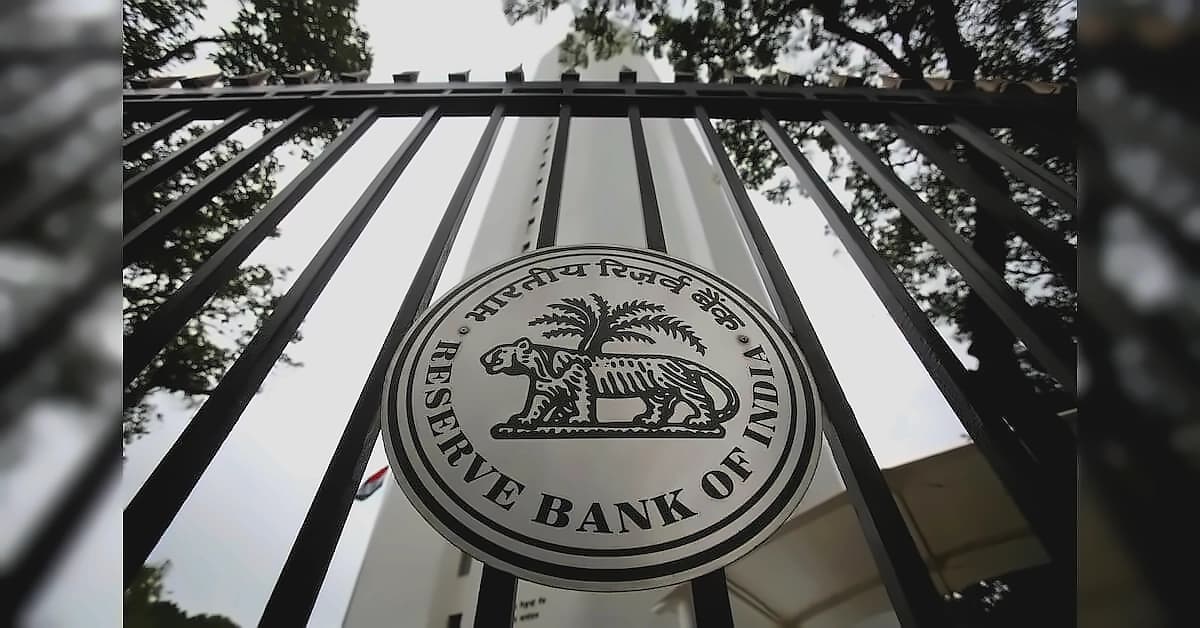
The Reserve Bank of India issued the Cyber Resilience and Digital Payment Security Controls for non-bank PSOs Master Directions, 2026 on November 5, 2026, replacing and expanding the previous Master Directions first issued on July 30, 2024. According to Vinod Kothari Consultants, these Cyber Resilience Directions bring into a single document the instructions previously scattered across separate circulars and carry statutory force under Section 10(2) read with Section 18 of the Payment and Settlement Systems Act, 2007. The framework requires non-bank payment system operators to implement comprehensive cyber resilience measures, with breaches attracting consequences under the PSS Act.
Under the new Cyber Resilience Directions, unusual incidents such as cyberattacks, critical system outages, internal fraud and settlement delays must be reported to RBI in the prescribed format within 6 hours of detection. As reported by Business Standard, any cyber security incident also requires reporting to CERT-In within the same 6-hour window. The Cyber Resilience Directions refer to reporting format and an indicative incident list in Annexes 1 and 2, with Section IV adding product-specific requirements on top of existing instructions. This represents a significant escalation from previous reporting timelines, requiring immediate action when security incidents occur and enabling quicker regulatory intervention.
The RBI has prescribed stricter business continuity arrangements, requiring operators to maintain disaster recovery facilities in a different seismic zone from their primary data centres and conduct recovery drills at least twice a year. According to Business Standard, the central bank also mandates payment firms to report any cybersecurity incident to CERT-In within six hours of fraud detection. The RBI requires every PSO to submit an annual system audit report within two months of the end of its financial year, with the new rules already in effect for large and medium PSOs, while small PSOs have been given time until April 1, 2028, to comply.
The Reserve Bank of India's January 2020 circular on enhancing card transaction security now requires card issuers to provide customers with comprehensive facilities to switch transaction channels on or off and set or modify limits for domestic and international transactions at point-of-sale terminals, ATMs, online platforms and contactless payment channels. According to reports from Business Standard, these facilities must be available round the clock through multiple channels, including mobile applications and internet banking platforms. The framework emphasizes making credit cards usable according to cardholder requirements rather than leaving every payment channel open by default.
Industry experts have welcomed the RBI's stricter cybersecurity guidelines, with 63SATS Cybertech Joint MD and CEO Srinivas L noting that the directive removes all excuses by turning scattered circulars into one clear rulebook. As reported by Business Standard, Apollo Infoways founder and CEO Ravi Prakash emphasized that the mandatory six-hour cyber incident reporting window sends a clear message that cybersecurity can no longer remain a reactive compliance function. Nerix Technoserve CEO Subhasis Majumdar highlighted that the six-hour reporting window will compel payment operators to invest in stronger monitoring, incident response, and risk management frameworks. The framework applies to the National Payments Corporation of India (NPCI), card networks, payment aggregators, prepaid payment instrument (PPI) issuers, and white-label ATM operators (WLAOs), marking a significant milestone in shaping India's next generation of secure digital financial infrastructure.