

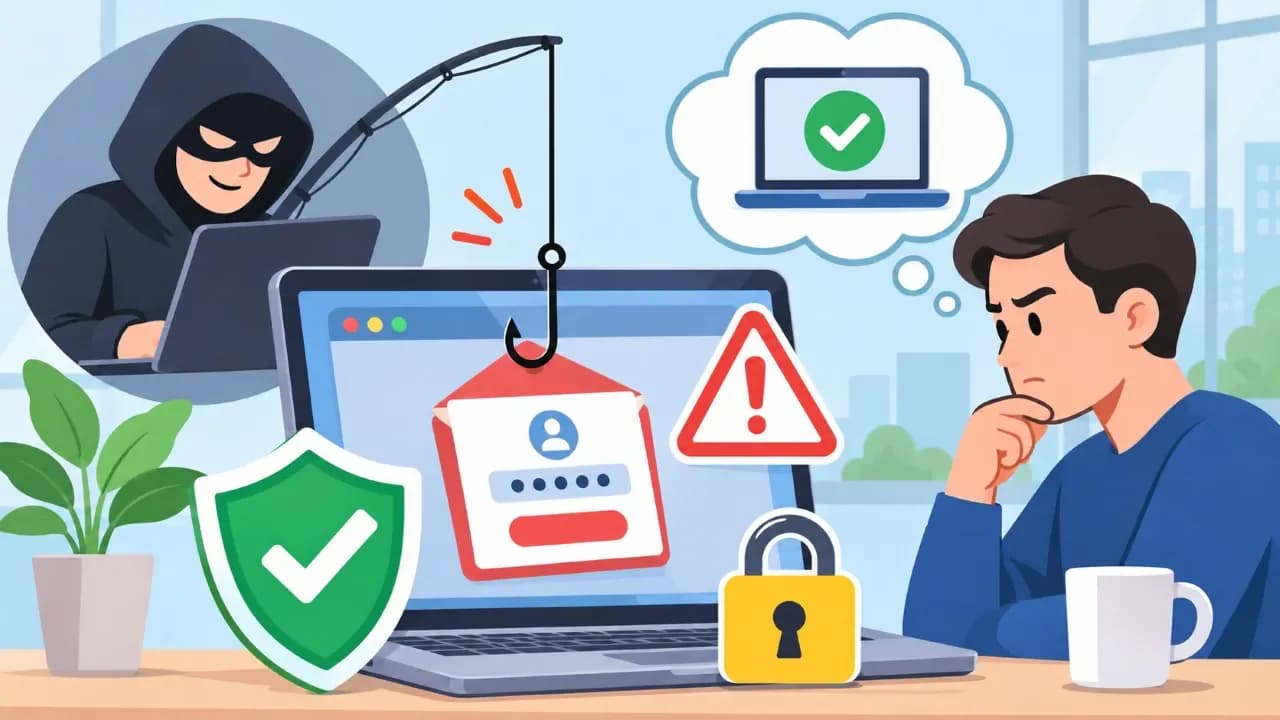
During festive shopping season, scammers often exploit the high delivery volume by sending text messages claiming package delays. These messages typically contain links asking for nominal fees to update addresses. According to BankBazaar.com, clicking these links can redirect users to unverified forms that collect card details or UPI PINs. The recommended safety measure is to always track packages directly through official merchant apps or websites and avoid paying rescheduling fees on unsolicited links.
Festive shopping drives consumers to seek attractive deals, making them vulnerable to deceptive websites offering premium products at unusually low rates. As reported by BankBazaar.com, some platforms are created to mimic popular e-commerce portals but are unverified. To protect accounts, consumers should shop only through reputed, well-known e-commerce platforms and look for the padlock icon and 'https://' protocol in browser address bars before making transactions.
UPI has become the preferred payment method, but understanding its features is essential for security. According to BankBazaar.com, during festive season, users may receive messages claiming special cashback, lottery, or promotional rewards requiring UPI PIN entry. The critical safety rule is that receiving money into bank accounts never requires entering UPI PINs, as PINs are strictly meant for sending money. If a prompt asks for PIN to claim rewards, it is likely an outgoing payment scam.
Digital gift cards and discount vouchers are popular festive gifting options, making consumers vulnerable to unsolicited offers. As reported by BankBazaar.com, users may receive emails or social media links offering free shopping vouchers from top brands. These unsolicited links can install malicious applications monitoring financial transactions. The recommended approach is to avoid clicking links from unknown senders and verify any unexpected gift card authenticity with senders or check brand official websites directly before opening links.
When shopping on public networks, users should avoid free Wi-Fi at shopping malls or markets due to lack of basic security encryption. According to BankBazaar.com, cybercriminals can intercept data on public networks, capturing passwords and card details. The recommended security practice is to use private mobile data or secure home Wi-Fi when entering passwords or card details, and keep banking apps and device software updated with latest security patches.