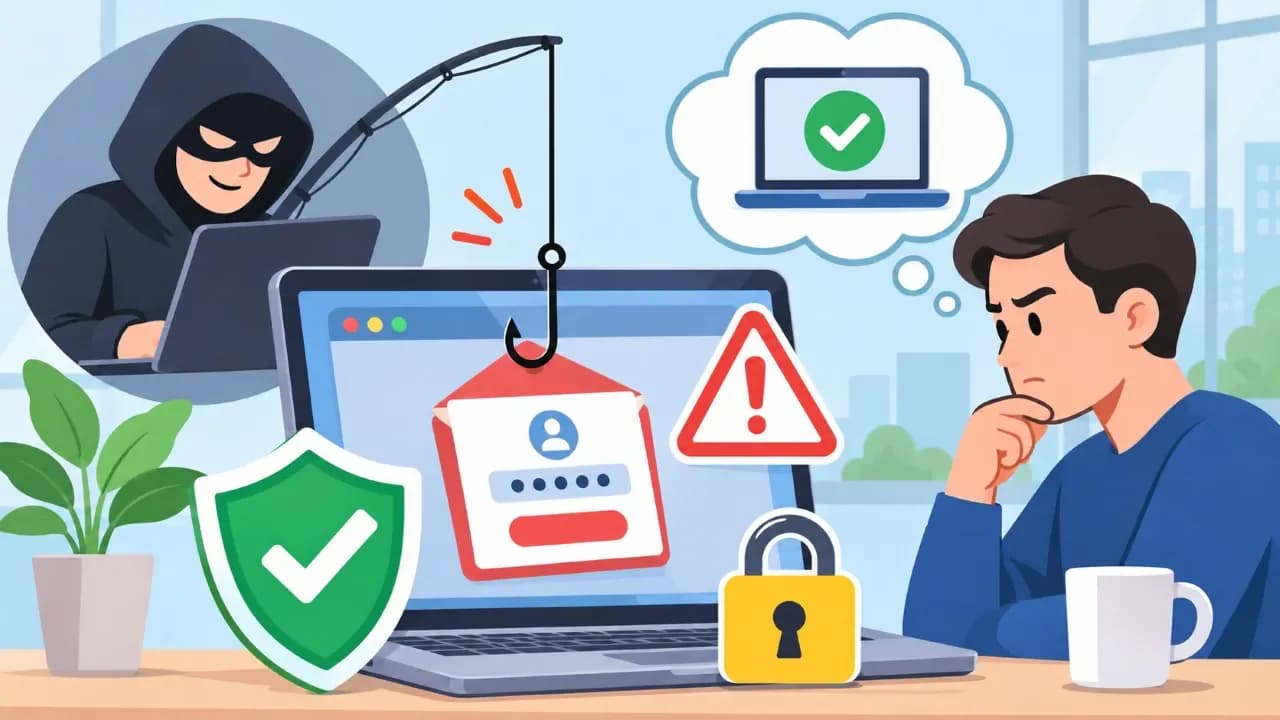
The National Payments Corporation of India (NPCI) has rolled out a fresh set of guidelines urging consumers to exercise caution while making digital payments during the festive season. As reported by NDTV Profit, with online transactions expected to rise as shoppers take advantage of seasonal offers, the advisory highlights the growing threat of payment-related fraud. The festive rush often prompts buyers to make quick purchasing decisions, particularly when retailers advertise steep discounts and limited-period deals, creating opportunities for cybercriminals to exploit this urgency through social engineering techniques.
Fraudsters are increasingly leveraging artificial intelligence to create sophisticated scams targeting consumers. As reported by NDTV Profit, they are using fake customer service chats, disguised voices, deepfake endorsements of celebrities and deceptive phishing messages to push fraudulent offers or steal sensitive information. Consumers may receive delivery alerts, refund alerts, or KYC messages that appear genuine but contain harmful links. The biggest warning signs include unsolicited messages with offers that seem too good to be true and messages containing unknown links. When in doubt, consumers should verify offers on official websites or apps rather than clicking links from messages or emails. IT Voice reports that AI-generated videos and cloned voices can make fake celebrity endorsements, investment offers, or urgent requests for money appear genuine, with familiar faces and voices no longer reliable proof of identity.
According to Business Standard, Ankit Gupta, chief technology officer at Policybazaar for Business, emphasizes that festive shopping creates more opportunities for cybercriminals to exploit consumers through fake discounts, phishing links, fraudulent websites and UPI scams. The latest guidance includes shopping only through official websites and apps to avoid fraudulent platforms that mimic popular shopping sites. Consumers should avoid payments outside shopping platforms and complete purchases through official checkout facilities, verifying recipient names before approving UPI transactions. Being careful with cashback and free voucher offers is crucial, as fraudsters may claim consumers have won rewards requiring processing fees or banking details. Never sharing OTPs or banking credentials is essential, as messages claiming payment failures or blocked accounts may be attempts to obtain sensitive information. Avoiding payments under pressure is also important, as fraudsters frequently create urgency to prevent consumers from verifying transaction authenticity.
Fraudsters are increasingly using impersonation tactics to build trust with potential victims, creating urgency around account unblocking, refunds, or delivery issues. As reported by NDTV Profit, consumers should be suspicious of any demands to share PIN numbers, CVV codes, OTPs, or grant screen-sharing access. Financial institutions do not call people asking for such details, and using official channels to validate requests remains the safest approach. NPCI reports that cybercriminals exploit this urgency by deploying social engineering techniques to trick consumers into sharing sensitive banking details or authorising fraudulent transactions. Fraudulent account takeover involves cybercriminals gaining unauthorized access to bank accounts or payment accounts using stolen passwords or phishing links to break authentication. Warning signs include notifications of uninvited OTPs, unknown login attempts, and password resetting notifications users have not requested.
To enhance protection against online fraud, consumers should consider cyber insurance as an additional layer of financial protection against digital risks. According to Business Standard, individual cyber insurance policies may cover online financial fraud, phishing, identity theft, cyber extortion and unauthorised digital transactions, depending on the policy terms. Basic cyber insurance covers start at a few hundred rupees, making them accessible to a wider range of consumers, including families. However, consumers should not assume every digital fraud incident will qualify for reimbursement, as coverage depends on policy terms, exclusions and claim conditions. Before purchasing a policy, consumers should check which types of fraud are covered, maximum compensation available, exclusions and reporting incident deadlines. Cyber insurance should be treated as a financial safety net rather than a substitute for safe digital payment practices.