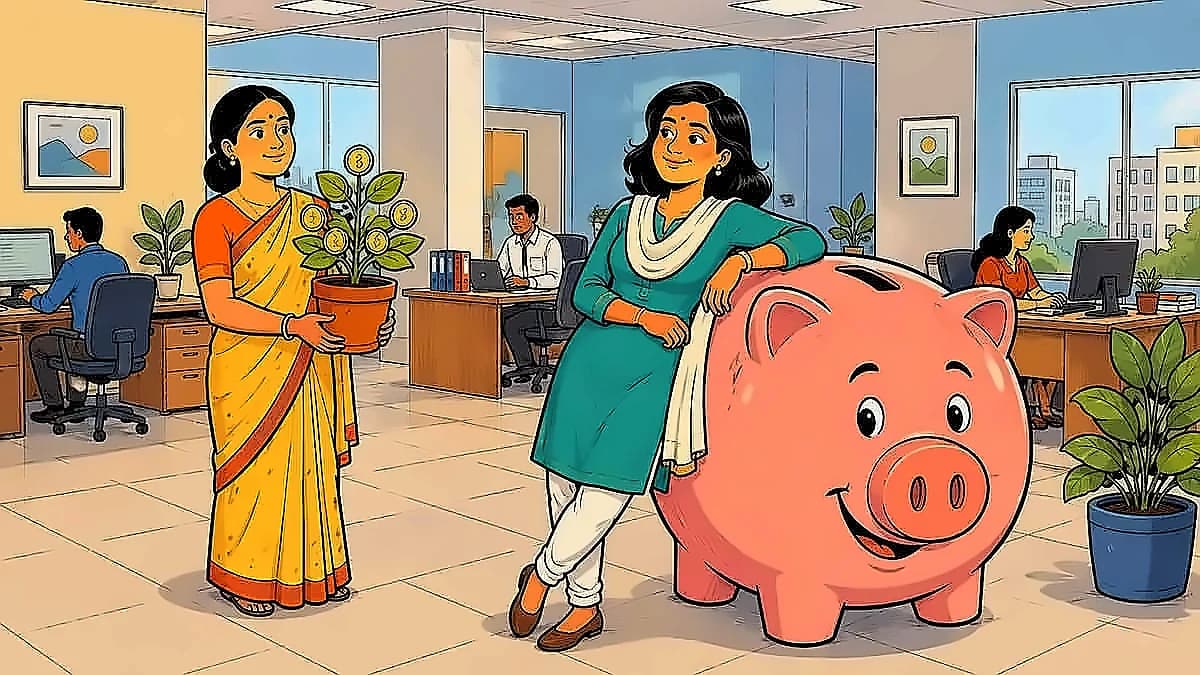
According to reports from Mint, growing up, Shabana thought her mother worried too much about every rupee. However, when her first salary disappeared before the month ended, she remembered those kitchen conversations and tried five familiar habits that helped her spend less and put more money aside every month. These practical finance lessons from Indian mothers demonstrate how effective saving habits can make individuals richer every week through disciplined money management.
As reported by Mint, when friends suggested an expensive brunch costing ₹1,500, Shabana remembered her mother's advice not to copy neighbors. Instead of paying ₹1,500 outside, she hosted a shared breakfast costing her ₹500. She immediately moved the remaining ₹1,000 into savings. Her mother followed the same principle with clothes, celebrations and household purchases, realizing that cheaper choices mattered only when the difference stayed saved. The article suggests suggesting affordable outings, confidently repeating clothes, and avoiding buying things just to fit in, while transferring the money you avoid spending into a separate savings account.

According to Mint, Shabana's mother counted household money before leaving for the vegetable market every Sunday, whatever remained from the previous week went into a separate savings envelope. Shabana copied this habit by limiting flexible weekly spending to ₹2,000. One week, cooking with available groceries brought her spending down to ₹1,600, with the remaining ₹400 saved instead of treating it as permission to shop. Seema Ahuja QPFP®️, Founder of Plan Happy Wealth, explained that a weekly budget makes spending more visible, choices immediate and mistakes manageable, teaching delayed gratification and financial prudence.
As reported by Mint, Shabana's mother never dismissed a few rupees as too little to save, and Shabana remembered this while checking her payments for tea, snacks and delivery charges. She found a daily ₹50 purchase she barely enjoyed, and skipping it for 30 days would leave ₹1,500 available to save. The article suggests tracking every small purchase for a week, then identifying one recurring expense to reduce, while transferring that amount regularly. Shabana applied the 'gullak first' strategy by transferring ₹2,000 into savings whenever her salary arrived, choosing an amount that still left enough for essential bills, with a salary increase allowing her to raise the transfer to ₹2,500.