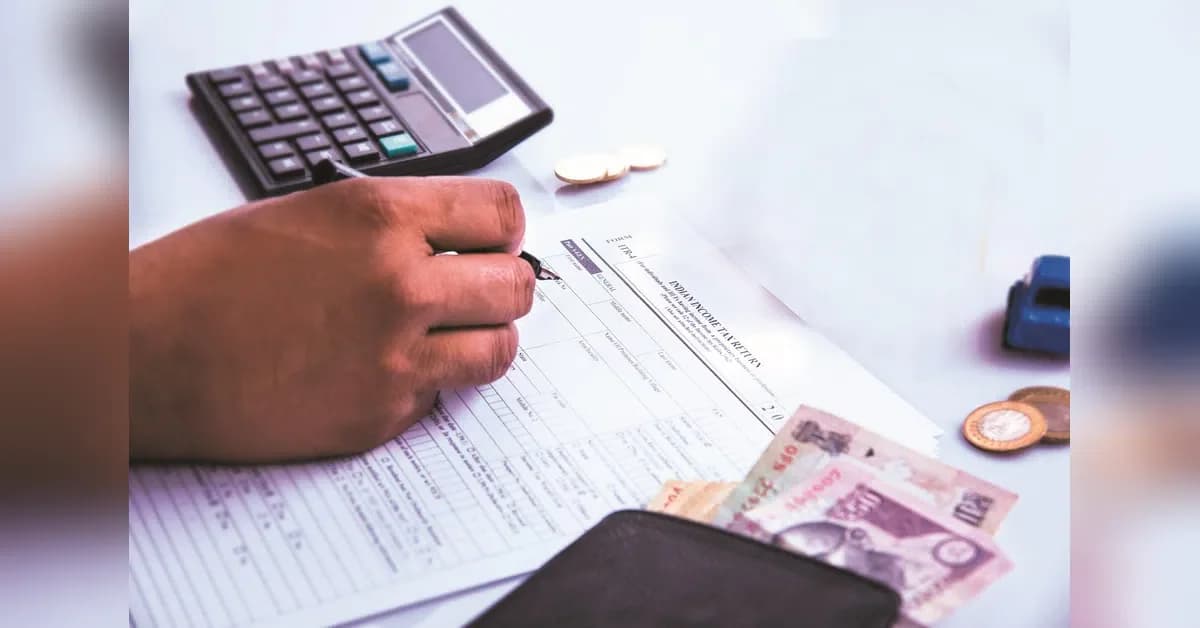
According to reports from Mint, a no-buy month provides a structured approach to reset spending habits by pausing unnecessary purchases while maintaining essential expenses. The strategy allows individuals to focus on household essentials including rent, groceries, medicines, transport and bills while temporarily suspending extra clothes, accessories and non-essential upgrades. This approach helps identify spending patterns that quietly disturb monthly budgets and provides time to notice habits that encourage unplanned purchases. As reported by Mint, the strategy involves writing down allowed purchases and pausing unnecessary items, with the aim to understand unnecessary spending without disrupting daily life. According to Zee Business, financial expert Hemant Rustagi, CEO of Wise Invest, explains that a money detox is essentially about using money in the right way and trying to reset one's relationship with money, helping reduce financial anxiety and make people more aware of the difference between needs and wants.
As reported by Zee Business, financial expert Hemant Rustagi recommends creating a cooling-off period of one month to take a step back from spending beyond basic household expenses. During this period, individuals should reconsider whether expenses are genuinely necessary after the pause, as the exercise can teach people how to use their money more effectively even if savings are not substantial. Digital payments have made spending extremely convenient but can encourage impulse shopping, with shopping apps regularly sending notifications about discounts and offers. Zee Business expert Vishwajeet Parashar suggests reviewing apps on your phone and reducing unnecessary digital spending triggers, while Rustagi advises turning off shopping notifications as alerts can interrupt normal thinking and trigger shopping even when it wasn't previously planned.
According to Zee Business, unused subscriptions can become regular sources of unnecessary spending, with experts advising periodic assessment of subscriptions including OTT services, gym memberships and recurring services. The experts suggest reviewing whether subscriptions were used during the previous 30 days, as continuing to pay for unused services may not make sense. Zee Business expert Parashar also recommends using cash for expenses wherever possible during a money detox, as physically handing over money can make people more conscious about spending compared to quick card payments. When paying ₹5,000 or ₹10,000 in cash, individuals may feel the impact more strongly and reconsider unnecessary purchases.
As reported by Zee Business, small UPI payments of ₹10, ₹20, ₹50 or ₹99 may not appear significant individually but frequent expenses can add up significantly. The experts advise reviewing payment history and bank statements to understand where money is going, with expenses divided into different categories to get a clearer picture of spending patterns. Zee Business expert Parashar points to frequent food orders, additional charges and convenience-driven spending as costs that people may not consciously track. The approach involves setting a budget for enjoyment while avoiding overspending, with the objective to spend consciously rather than unconsciously, considering whether expenses are important and fit within allocated budget amounts.
According to Zee Business, unnecessary spending can be linked to stress, social pressure and boredom, with many purchases being emotional decisions rather than actual needs. The experts emphasize that pausing and questioning the reason behind purchases can help people become more conscious of spending decisions. At month-end, individuals should list everything they wanted but chose not to buy, which experts call the 'SAVING AWARD', alongside noting what tempted them including boredom, discounts, habit or social pressure. As reported by Zee Business, the experts emphasize that a money detox should not be treated as a temporary period of restricting spending followed by excessive purchases, but rather about developing greater discipline and awareness about money. The purpose is to develop lasting habits that support conscious spending, understanding where money is going, deciding what is genuinely important and keeping spending within financial limits to leave more room for savings and investments.