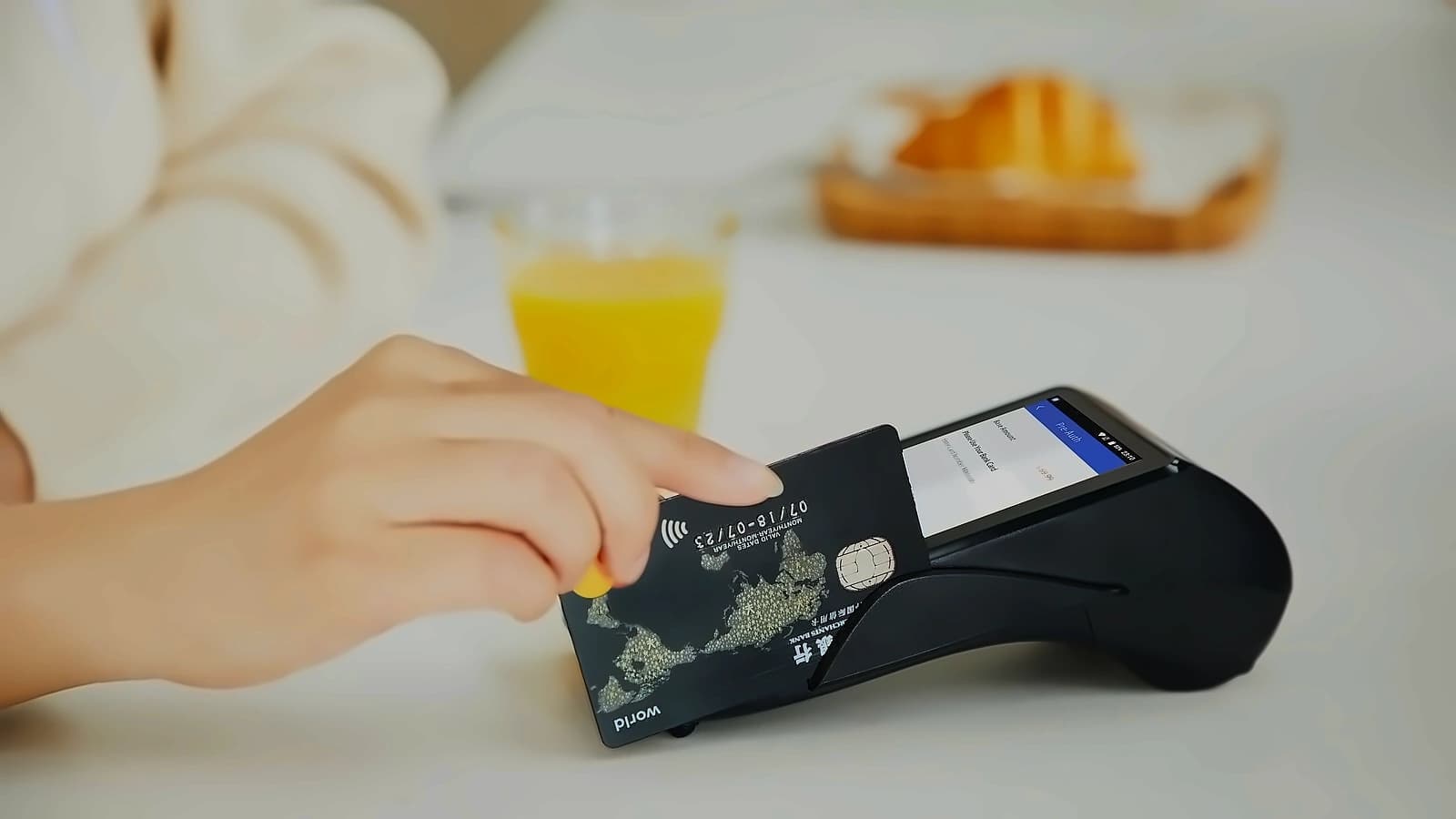
According to Mint reports, exchanging money at airport counters can be convenient but offers the most expensive rates due to high footfall and limited competition. In some cases, charges can reach 10% and 12% of the value of the amount. Indian travelers can obtain foreign currency from public and private banks, authorized money exchange centers, or purchase travel cards directly from banks. The report emphasizes that comparing exchange rates and charges in advance can help keep overseas holiday budgets manageable.
As reported by Mint, foreign travel packages are now taxed at a flat 2% rate, replacing the earlier 5% rate (up to ₹10 lakh) and 20% for amounts above that threshold. This tax overhaul was announced during Union Budget 2026 and implemented from the beginning of the new financial year. The Tax Collected at Source (TCS) paid on foreign travel is fully refundable or adjustable against total income tax liability when filing Income Tax Return for the financial year in which travel expenses were incurred.
According to Mint reports, unmetered or airport-gate taxis routinely overcharge unknowing tourists for the first ride into the city, particularly impactful when the foreign currency is stronger than the Indian rupee. The report advises researching local public transit, pre-booking official airport transfers, or using ride-hailing apps active in the destination country. Many countries including Turkey, Russia, the United States, and Cuba mandatorily require foreign visitors to purchase insurance meeting entry requirements. A valid international travel insurance is necessary for Indians traveling to these countries to obtain visa on arrival, as reported by Policybazaar.
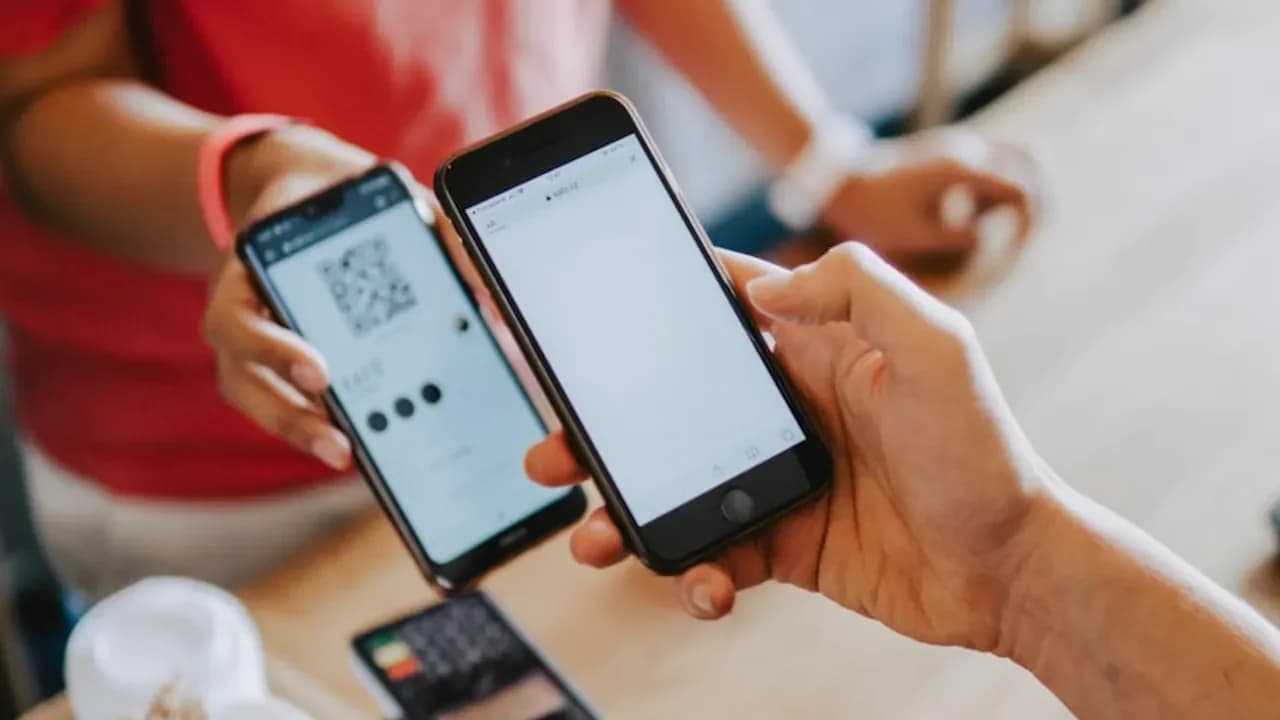
As reported by Mint, keeping primary card, backup card, and all cash in the same wallet or bag can be financially disastrous if the bag gets lost or stolen. The report recommends keeping important booking information, travel insurance details, and emergency contact numbers easily accessible. Additionally, the Unified Payments Interface (UPI) is now accepted in 11 countries, including Greece and the Maldives as the latest additions, according to the Press Information Bureau statement. Other countries accepting UPI include Cambodia, Bhutan, Nepal, Singapore, the United Arab Emirates, France, Sri Lanka, Mauritius, and Qatar.

Security specialists recommend traveling with minimal financial exposure by carrying only essential items. The U.S. State Department specifically advises travelers to carry just one credit card and leave the rest at home, as losing a wallet with multiple cards creates multiple accounts that need freezing and monitoring from abroad. Flashy accessories and expensive jewelry should be avoided, as they draw unwanted attention in unfamiliar places. Carrying significant amounts of cash is particularly risky, as it can quickly escalate minor theft incidents into major financial losses. A prepaid travel card or debit card tied to a limited account covers daily spending without exposing a full trip's budget to theft.
Consumer safety guides emphasize leaving unnecessary documents at home to minimize identity theft risks. The Social Security card should never leave the house for international travel, as it has enormous value to identity thieves but no practical use overseas. Checkbooks are also recommended to stay behind, as most destinations no longer accept personal checks from foreign visitors and they expose bank account numbers if lost. A passport and one government-issued ID are sufficient documentation for almost any trip abroad, with older travel safety checklists specifically calling out extras like voter's registration cards and library cards as items with no overseas purpose.