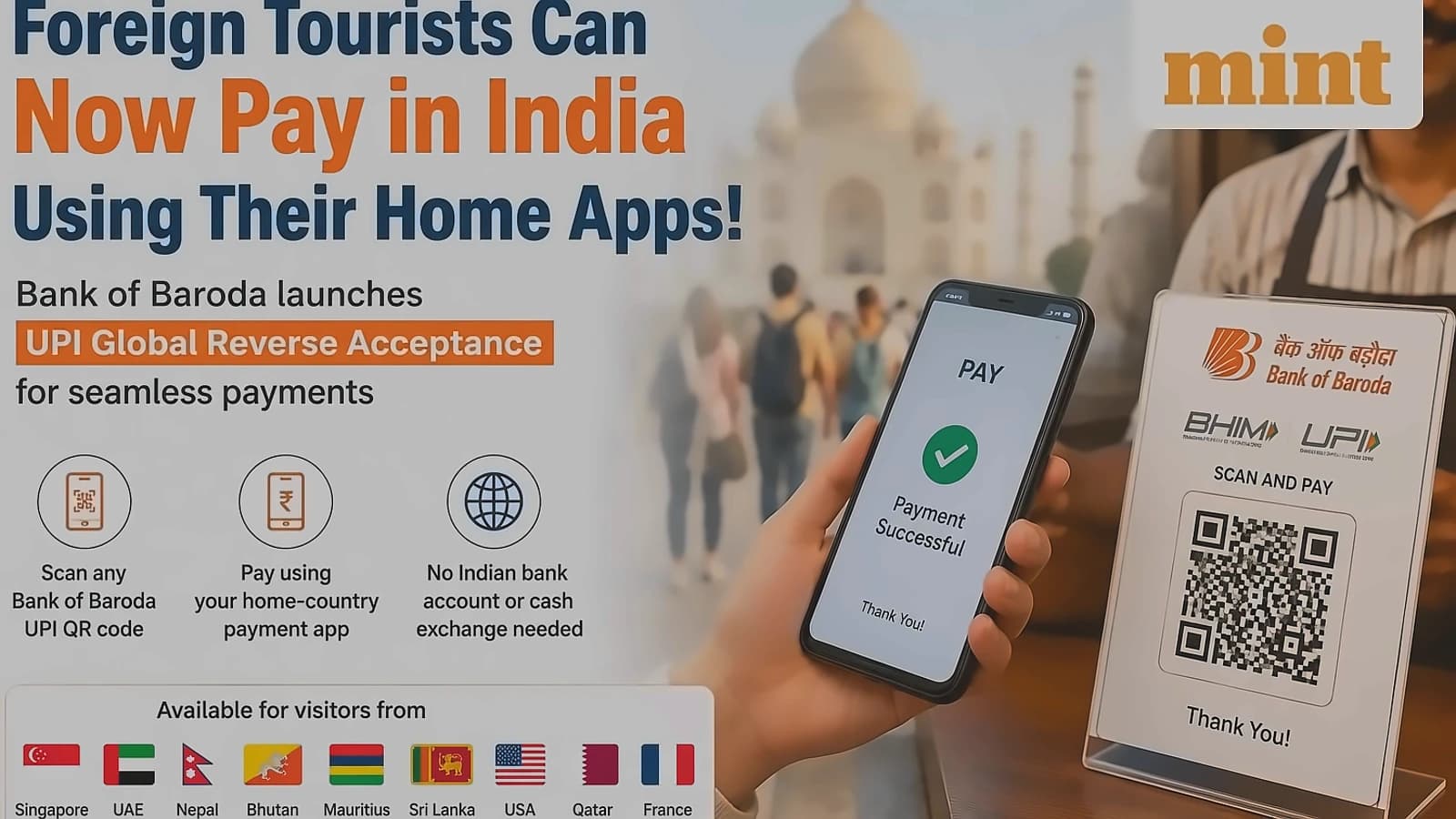
A French tourist visiting India has expressed surprise at the widespread use of Unified Payments Interface (UPI) QR codes for everyday transactions, according to reports from Hindustan Times. The tourist, Manika, a content creator who helps French travellers discover India, shared her experience on Instagram as UPI marked its 10th anniversary. While she was familiar with India's digital payment system before arriving, she said seeing it in action across the country was a very different experience. "As a French woman, I never expected to pay for almost everything with my phone in India, and I mean... everywhere. Street food? Just scan the QR code. Chai? Scan the QR code. Auto? Scan the QR code. Even a tiny little shop in the middle of the street? QR code," she wrote. Her social media post highlighting this discovery has sparked online discussion about digital payments in India, with her reaction going viral among French travellers. In a recent video shared on social media, she described the experience as an "unexpected everyday cultural difference between India and France."
From roadside tea stalls and street-food vendors to local shops, cafes and auto-rickshaws, QR codes appeared to be a common payment option across India, as reported by Hindustan Times. The tourist was particularly struck by how deeply digital payments have become embedded in daily life across the country. Whether buying street food, having a cup of chai, taking an autorickshaw or purchasing a ₹20 snack, she found herself using UPI for payments. This widespread adoption demonstrates the penetration of UPI technology beyond major cities and into rural and semi-urban areas, with the system now being used for transactions as small as street food purchases. For someone used to France's payment ecosystem, the sheer scale of this everyday adoption became an unexpected cultural experience. "Coming from France, this was one of those little everyday cultural differences that made me think, 'Wow, I really didn't expect this,'" she explained, highlighting that the system was not confined to big cities or upscale establishments. As reported by Hindustan Times, the French tourist's observation has sparked online discussion, with many Indians pointing out that this has become such a normal part of daily life that most people don't even think twice about it anymore.
The French tourist's observation comes as UPI marks a decade of transforming India's digital payments landscape, according to Hindustan Times. Launched on August 25, 2016, by the National Payments Corporation of India (NPCI) under the regulatory oversight of the Reserve Bank of India (RBI), UPI has emerged as a key pillar of the country's digital payments ecosystem and a major driver of financial inclusion. Over the past decade, UPI has recorded extraordinary growth with annual transaction volumes rising from 1.78 crore transactions in FY 2016-17 to more than 24,162 crore transactions in FY 2025-26, representing an almost 13,000-fold increase. Transaction value has also surged, rising from ₹0.07 lakh crore in FY 2016-17 to approximately ₹314 lakh crore in FY 2025-26, marking an increase of more than 4,000 times. What began as a digital payments system has since become a ubiquitous part of India's financial landscape, with the technology powering transactions at both high-end establishments and tiny roadside stalls. In January 2026, the payment system processed 21.70 billion transactions worth more than ₹28.33 lakh crore, according to latest data, demonstrating the continued momentum of UPI adoption. UPI enables users to transfer money instantly, 24x7, using any mobile app linked to their bank accounts, making it accessible across the country's diverse business ecosystem.
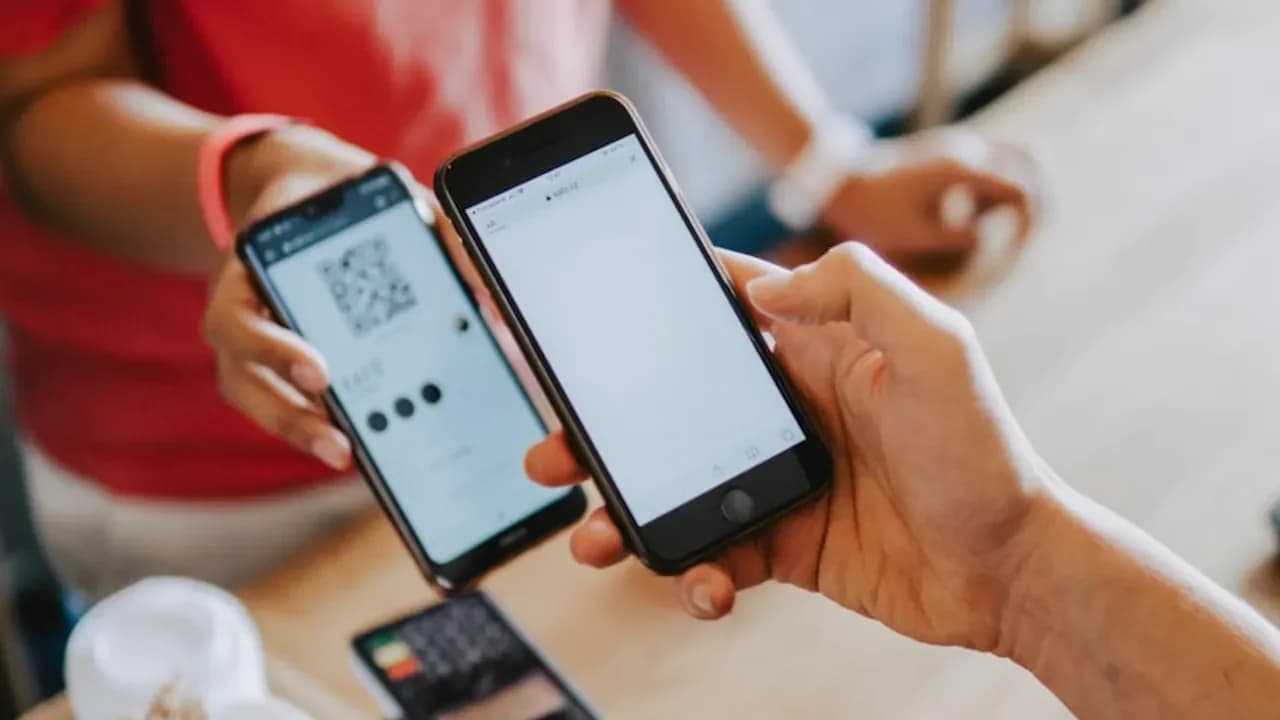
The French tourist's social media post highlighted the contrast between India's digital payment culture and France's payment systems, according to Hindustan Times. "Coming from France, this was one of those little everyday cultural differences that made me think, 'Wow… I really didn't expect this,'" she concluded in her Instagram post. The post sparked online discussion about digital payments, drawing attention to the significant differences in payment infrastructure and adoption rates between the two countries. "Before coming to India, I knew about UPI, but I honestly didn't realize how extensively it was used for even the smallest purchases," she explained. This comparison has generated interest in how India has embraced digital payment solutions for various transaction sizes, with UPI moving beyond being a digital payment option to becoming an everyday part of life for millions of Indians. The International Monetary Fund (IMF) also recognised UPI in a June 2025 report as the world's largest retail fast-payment system by transaction volume, highlighting India's leadership in digital payments globally. Social media users have praised the convenience of India's digital payment system, with one user noting "Foreigners are so underinformed. It's going on for 10 yrs. Haven't touched cash in 4 years," and another commenting "We can get ₹10 street-side tea for 5-star food all through UPI, no cash."