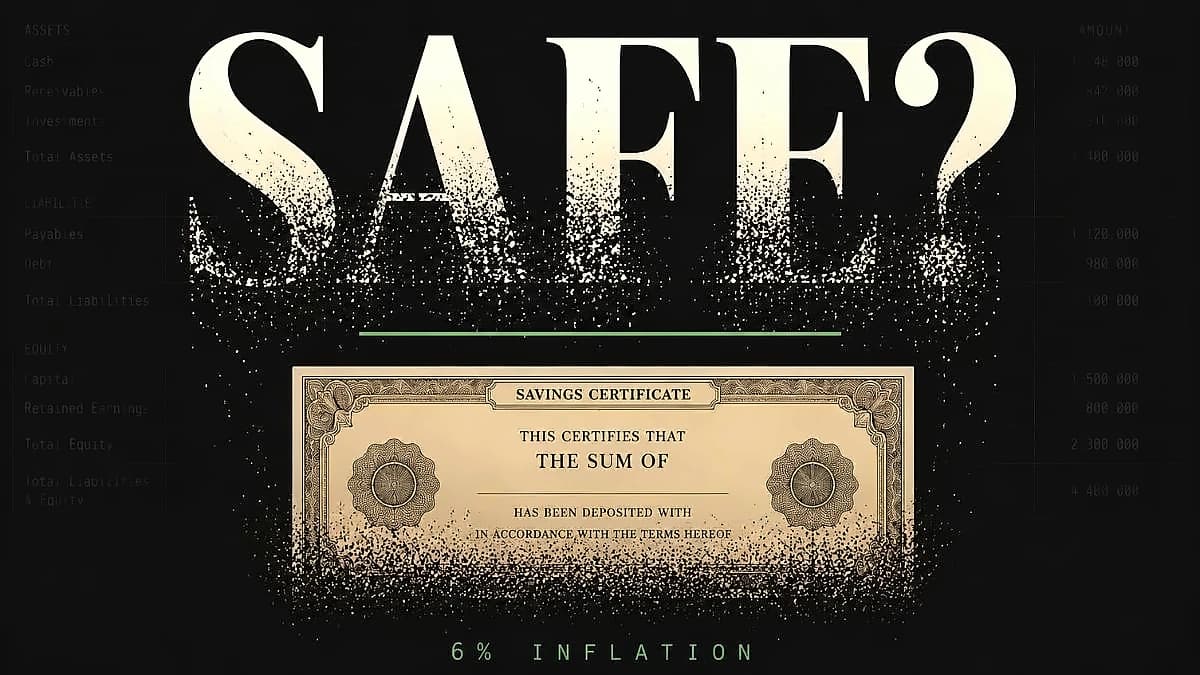
A ₹5 lakh savings account earning 7% interest faces significant erosion from inflation, losing ₹9,400 in purchasing power annually even after tax deductions. According to reports from the source, this represents a substantial decline in the real value of savings when inflation is factored in. The gap between the 4.38% inflation rate and the 7% savings account interest rate creates a 2.68 percentage point differential that directly impacts the purchasing power of depositors, with the impact further compounded by tax deductions on interest income.
The ₹5 lakh savings account demonstrates how inflation can erode the value of idle cash over time, even with higher interest rates. As reported by the source, the ₹9,400 annual loss represents the difference between the account's nominal value and its actual purchasing power in the economy. This decline occurs regardless of whether the money remains in the bank or is withdrawn, as inflation affects all prices in the economy. The impact becomes more pronounced when tax deductions are factored in, as the ₹9,400 represents the net loss after accounting for both inflation and tax implications.

The current analysis reveals a significant gap between what most Indians need for retirement and what they are actually saving. Financial planners estimate that ₹7 crore to ₹14 crore is required for a comfortable retirement, yet most salaried Indians contribute only to EPF and small SIPs, falling far short of building a double-digit crore corpus. Rising life expectancy means retirement could last 25-30 years, making inflation the biggest silent threat to savings. The ₹9,400 annual loss from inflation serves as a concrete example of how this erosion compounds over time, even when higher interest rates are offered.
The 4.38% inflation rate cited in the analysis represents the current inflation environment affecting household savings. According to the source, this inflation rate creates a significant challenge for savers, particularly those with substantial amounts in low-yielding savings accounts. The 7% interest rate on the savings account, while higher than the 2.50% rate previously analyzed, still falls short of offsetting the inflationary impact on the depositor's purchasing power when tax deductions are considered. The ₹9,400 annual loss serves as a concrete example of how inflation can erode the real value of savings over time, highlighting the urgent need for more effective wealth preservation strategies.
The analysis suggests that traditional savings accounts may not be the optimal solution for idle cash, even with higher interest rates, given the inflation-adjusted returns after tax deductions. As reported by the source, investors seeking better returns for their savings should explore alternative investment options that offer higher yields to counter inflation's impact on purchasing power. The ₹9,400 annual loss serves as a concrete example of how inflation can erode the real value of savings over time, highlighting the need for more effective wealth preservation strategies and the importance of starting or increasing SIP investments immediately, particularly when considering the impact of tax deductions on net returns.