Losing a smartphone in today's digital age poses significant financial and personal security risks. According to reports from Mint, a single device now holds access to bank accounts, UPI applications, emails, passwords, and personal documents. If a phone falls into the wrong hands or thieves manage to unlock it, fraudsters can misuse financial and personal data within minutes, potentially carrying out unauthorized transactions or identity theft. The most critical factor is acting quickly rather than panicking, as the first few minutes are crucial for minimizing financial loss and protecting digital identity. Try calling the phone using another device if it's nearby - someone may answer or you may hear it ringing. If you're certain you lost your phone, sign in to Google's Find My Device (Android) or Apple's Find My app (iPhone) to locate the device and make it ring. If you're traveling internationally, retrace your last steps and search your immediate surroundings - phones are often simply misplaced rather than stolen. If you suspect theft, call or text your number and consider offering a reward via message to encourage return.
As reported by Mint, the first priority is blocking your SIM card with your telecom operator to prevent fraudsters from receiving one-time passwords (OTPs) that could access banking and payment applications. The second critical step involves using Google's Find My Device (Android) or Apple's Find My iPhone (iPhone) to locate the device. If recovery appears unlikely, remotely lock or erase the phone to secure personal and banking data, along with access to emails and personal messages. If the phone appears to be moving in an unfamiliar location, avoid trying to recover it yourself - instead, report the matter to the police. This immediate action prevents unauthorized access to sensitive information. If you're traveling, let your friends and family know that your phone is missing to prevent them from falling victim to scams if someone tries to impersonate you using your number or social media accounts. A quick post on social media (from a friend's device or a public computer) can alert a wide network.
According to Mint, the third essential step is temporarily blocking UPI and banking applications to stop unauthorized transactions, fund transfers, and prevent money loss. The fourth priority involves changing passwords for email and banking accounts to prevent account takeover and password changes that could lead to identity theft. The fifth critical action is filing a police report and noting the IMEI number to help with recovery and fraud reporting, ensuring authorities are notified and an FIR copy can provide protection in case major crimes occur through the lost device. If your phone uses M-PESA, this should be one of your top priorities - once your SIM is blocked, your M-PESA account becomes much harder to access. Contact Safaricom customer care if you suspect someone may have attempted to use your account. If you have travel insurance, check your policy immediately - many travel insurance plans cover lost or stolen electronics, though you will likely need the police report and proof of purchase for your phone to file a claim.
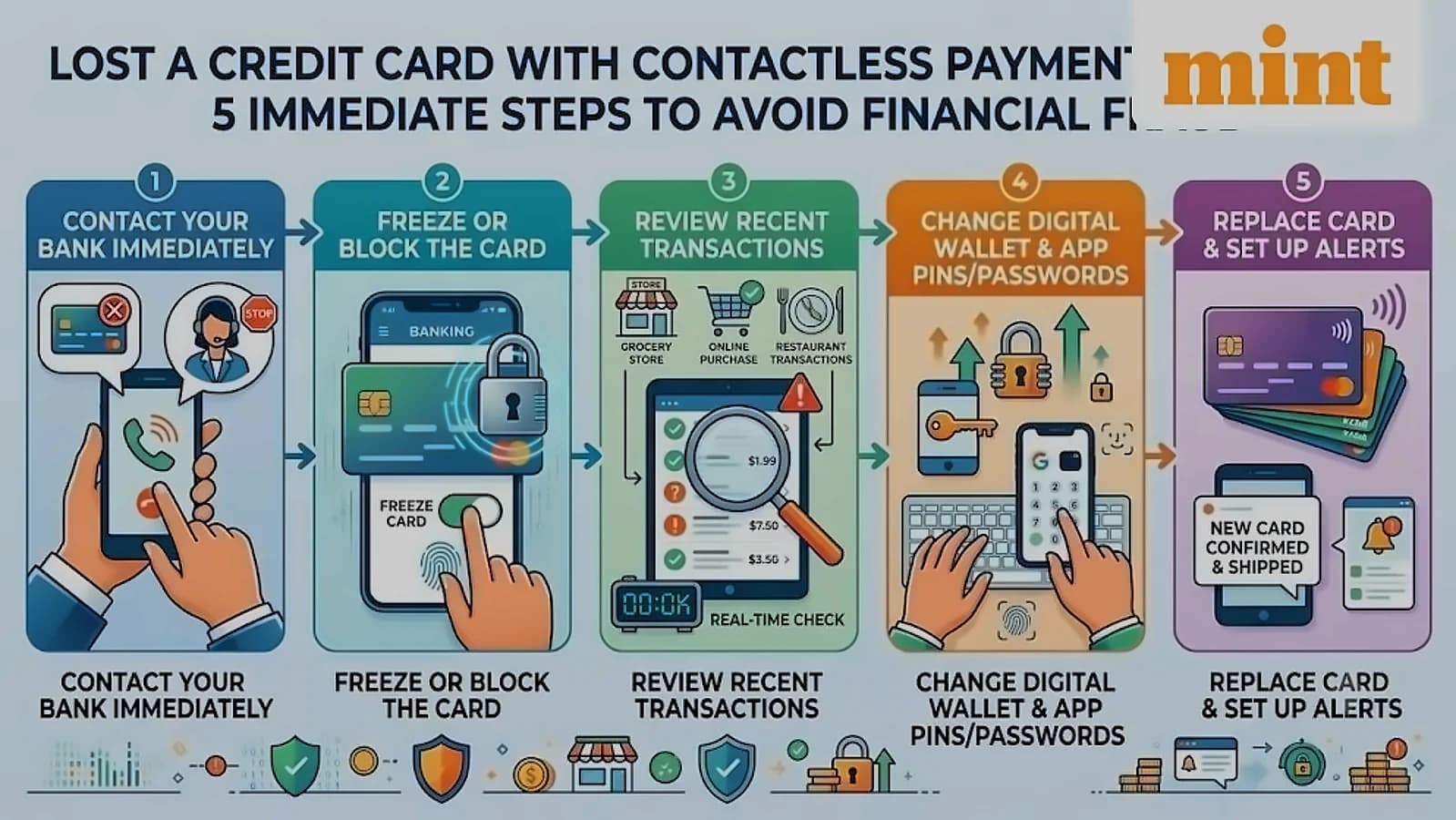
Many people save their debit cards in mobile banking apps or use digital wallets to make payments. Call your bank immediately to block mobile banking services if necessary, as most banks also allow customers to temporarily freeze cards while they confirm whether any suspicious transactions have taken place. If your phone was already unlocked or had automatic login enabled, change the passwords for your most important accounts to prevent anyone from accessing sensitive information. If you cannot recover the phone, use your device's remote security features - Android users can remotely lock the device, display a contact message or erase all data using Find My Device, while Apple users can place the device in Lost Mode or erase it through Find My if recovery seems unlikely. This helps protect your personal information even if the phone never returns. If you're traveling, purchase a local physical SIM card if you get a temporary phone or if your existing backup phone is unlocked - this will give you a local number and data access, allowing you to use messaging apps, maps, and make local calls.
Visit the nearest police station and report the loss or theft - a police abstract may be required if you intend to replace certain documents, file an insurance claim or prove ownership of the phone during investigations. Keep a copy of the report for future reference. If you suspect someone has access to your phone, inform close family members, friends or colleagues - scammers sometimes use stolen phones to send messages requesting money or pretending to be the owner. Over the next few days, regularly check your bank accounts, M-PESA statements and email activity for unfamiliar logins, password reset requests or transactions you did not authorize. If you notice suspicious activity, report it immediately. After obtaining a replacement SIM card, restore your accounts and improve your security by enabling biometric authentication such as fingerprint or facial recognition, using a strong screen lock and activating two-factor authentication for important accounts. It's also advisable to back up your data regularly so you can restore your information if your phone is permanently lost. For travelers, consider purchasing a Nomad eSIM for your next trip as a proactive measure - having a digital SIM ready to activate can be a lifesaver. Make it a habit to back up your phone's data to the cloud (iCloud, Google Drive, Dropbox) or an external hard drive before and during your trip to ensure even if your phone is gone, your precious memories and important information are safe.