






A consolidated view of market events, assembled from diverse sources.

Life insurance surrender value is calculated as Guaranteed Surrender Value (30-50% of premiums paid) and Special Surrender Value, with traditional policies requiring 2-7 years of premium payments before full surrender benefits. Early surrender before policy maturity may result in significant premium recovery losses, making it generally unwise for long-term policies designed for protection rather than immediate cash returns.
The National Council of Educational Research and Training (NCERT) has introduced personal finance education to Class 9 students through a new chapter titled 'Managing Your Personal Finances' in its Social Science textbook. The chapter covers comprehensive financial concepts including budgeting, saving, investing, insurance, borrowing and income tax, building on NCERT's existing financial literacy foundation that began in Class 6 with economic concepts and continued in Class 7 with banking and finance.

Joint home loans offer enhanced loan eligibility through combined income assessment and tax benefits under the old regime, but come with shared responsibility risks that can impact both partners' credit scores and repayment capacity. Couples must carefully weigh these benefits against the potential complications of joint financial obligations, including equal liability for EMI payments regardless of individual contribution amounts.

The Reserve Bank of India has announced premature redemption prices for Sovereign Gold Bond 2019-20 Series V at ₹14,725 per gram, resulting in exceptional returns of 288-294% for investors who purchased at original issue prices. While this represents substantial capital gains, Budget 2026 changes eliminate capital gains tax exemption for premature redemption, making gains taxable at 12.5% without indexation benefits.


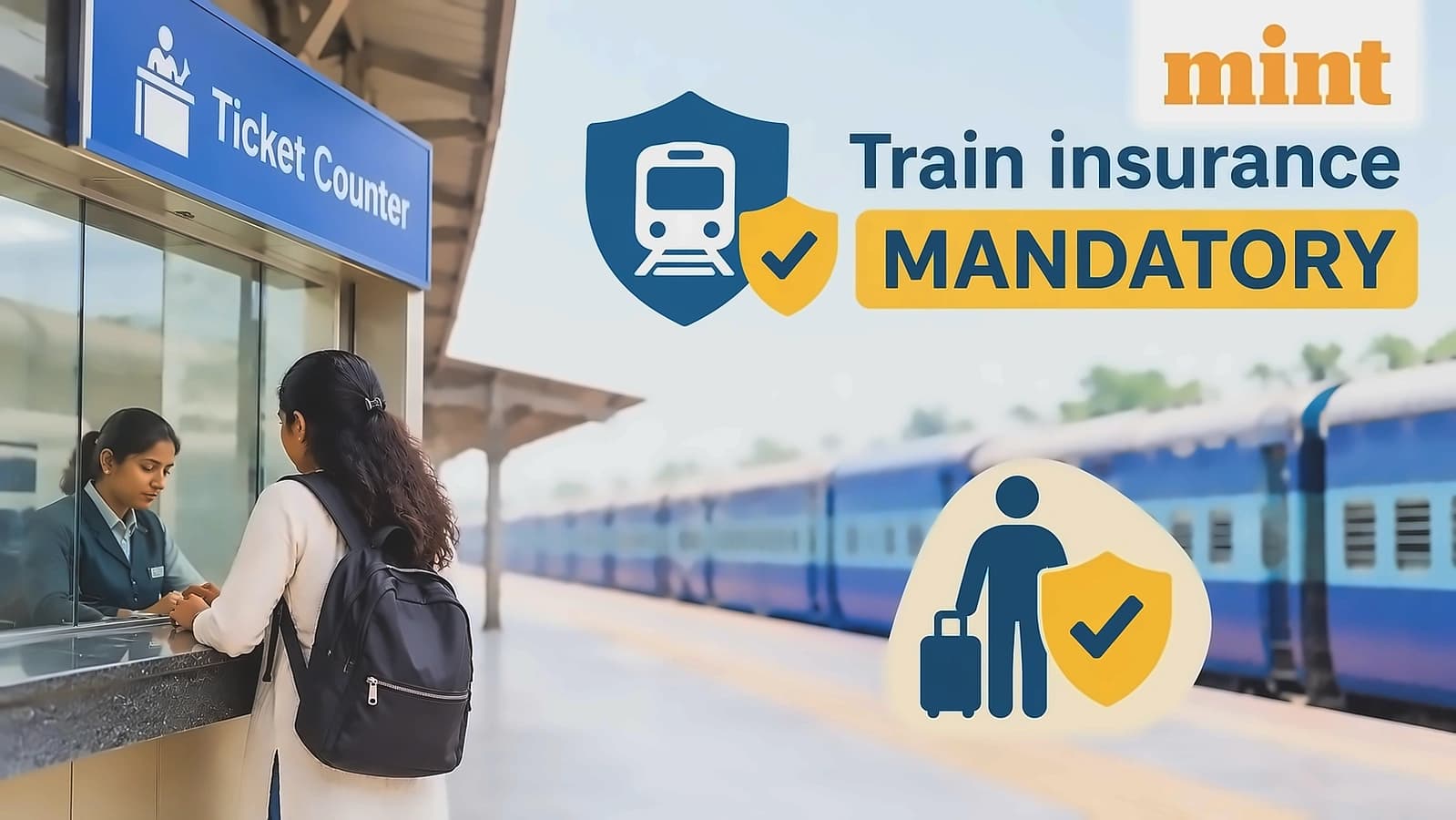
The Supreme Court has directed Indian Railways to extend travel insurance coverage to all passengers purchasing tickets at railway station counters from October 27, 2026, following its dissatisfaction with the Railways' failure to implement the mandatory insurance scheme for offline ticket buyers. The court expressed displeasure over the Railways' lack of progress despite repeated opportunities and warned that the Railway Board would be held directly responsible for any failure to implement the order.

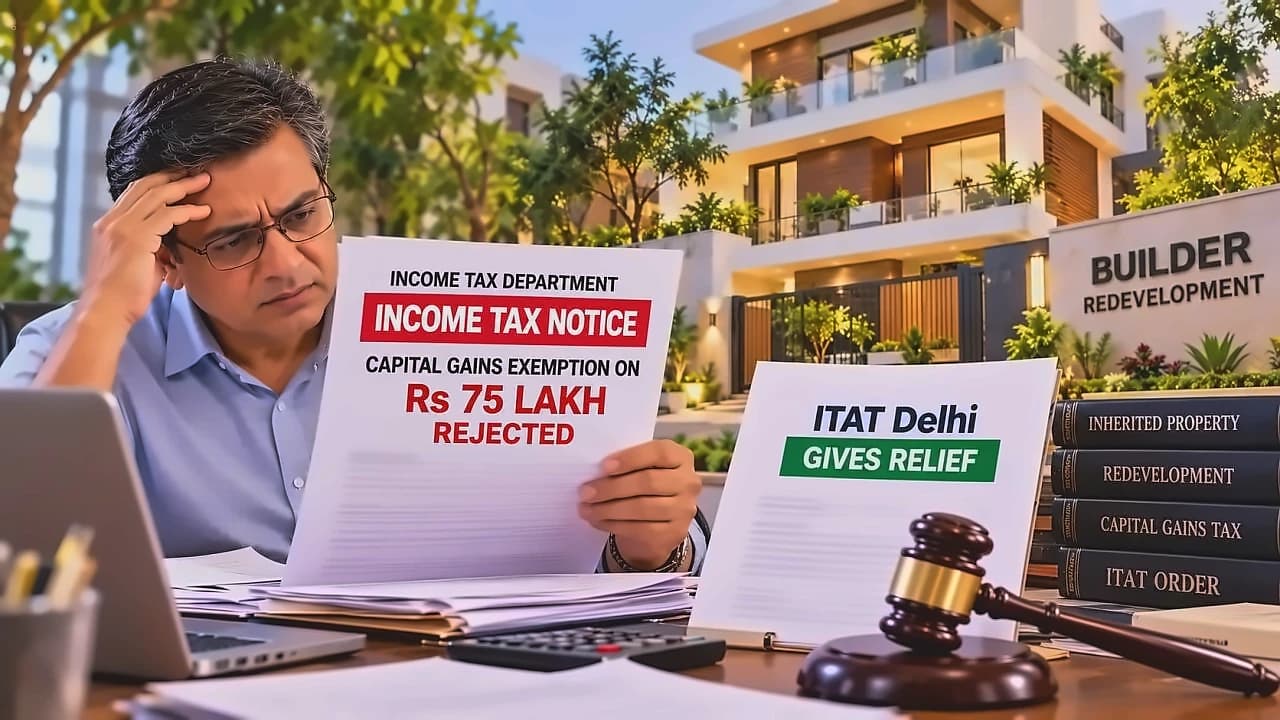
The Income Tax Appellate Tribunal (ITAT) Delhi ruled on July 13, 2026, that multiple floors within the same residential building do not constitute multiple houses for tax purposes, allowing a Delhi resident to claim long-term capital gains exemption under Section 54. The tribunal overturned the Assessing Officer's rejection of the taxpayer's valuation reports and construction cost calculations, directing recalculation of capital gains based on the taxpayer's computations.

Being an executor involves managing a deceased person's estate, settling debts and distributing assets according to the will, with responsibilities including locating assets, paying taxes and debts, and filing probate documents. Legal experts recommend discussing the role with the testator, obtaining legal advice, and preparing comprehensive documentation to ensure smooth estate administration.

A Delhi consumer court ruled in favor of a credit cardholder who disputed ₹15,000 in unauthorized charges, ordering SBI Cards to refund the amount plus 7% interest and ₹10,000 compensation. The case establishes important precedent for customer protection in credit card fraud disputes, with RBI rules requiring issuers to explain disputed bills within 30 days and provisionally credit amounts within 10 working days.

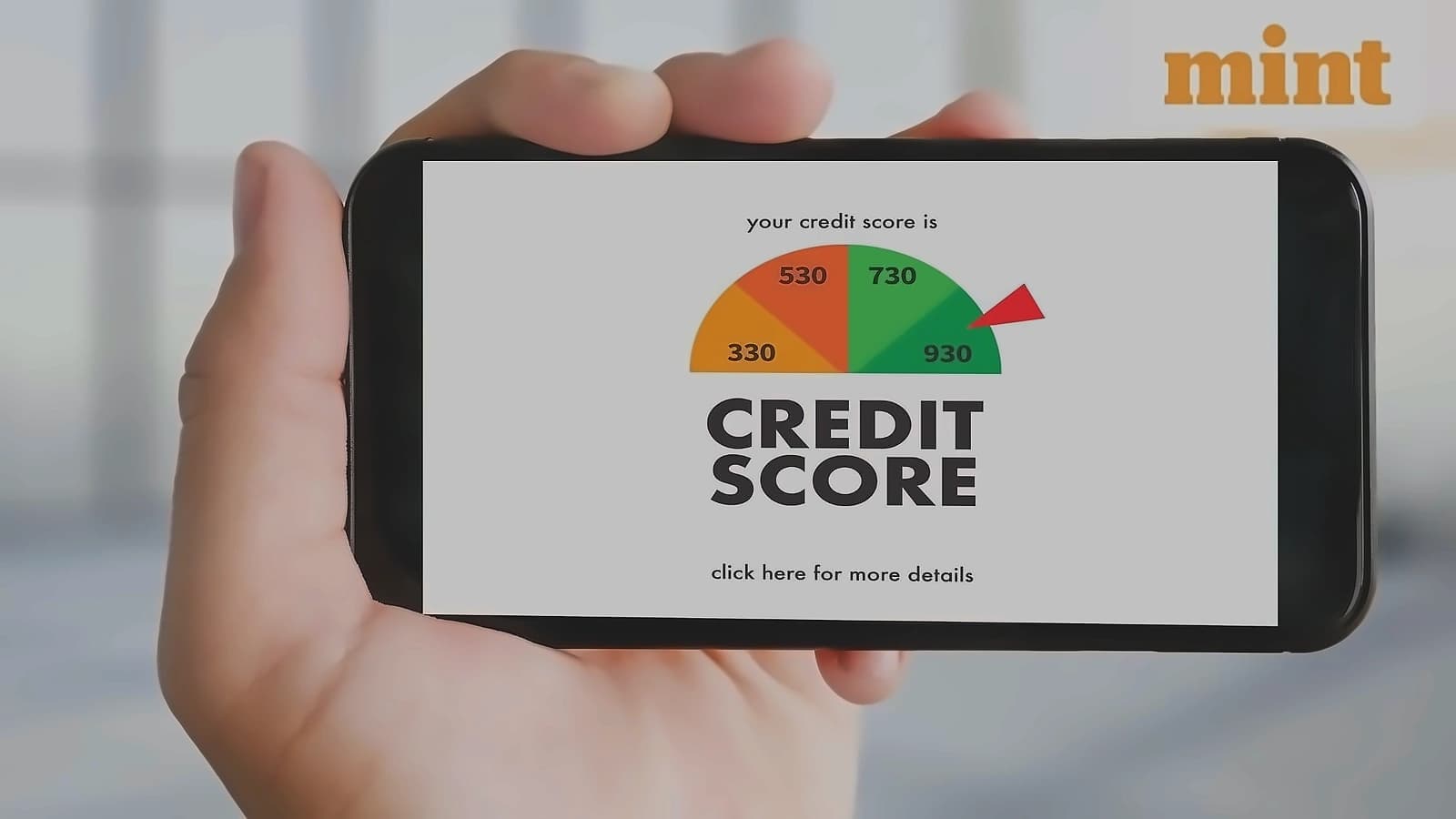
Paying the final EMI on a personal loan does not guarantee immediate CIBIL score improvement, as lenders must first report the closure to credit bureaus, which can take 15-30 days to process. Credit scores are influenced by multiple factors including payment history, credit utilization, and credit mix, making loan closure just one component of overall credit health.

The Employees' Provident Fund Organisation (EPFO) has introduced a simplified withdrawal framework under the EPF Scheme 2026, allowing members to withdraw up to 75% of their PF balance after 12 months of membership for essential needs, housing, education, and medical expenses. The new rules standardize withdrawal categories with automated processing for claims up to ₹5 lakh, while maintaining the mandatory 25% lock-in requirement to preserve retirement savings.