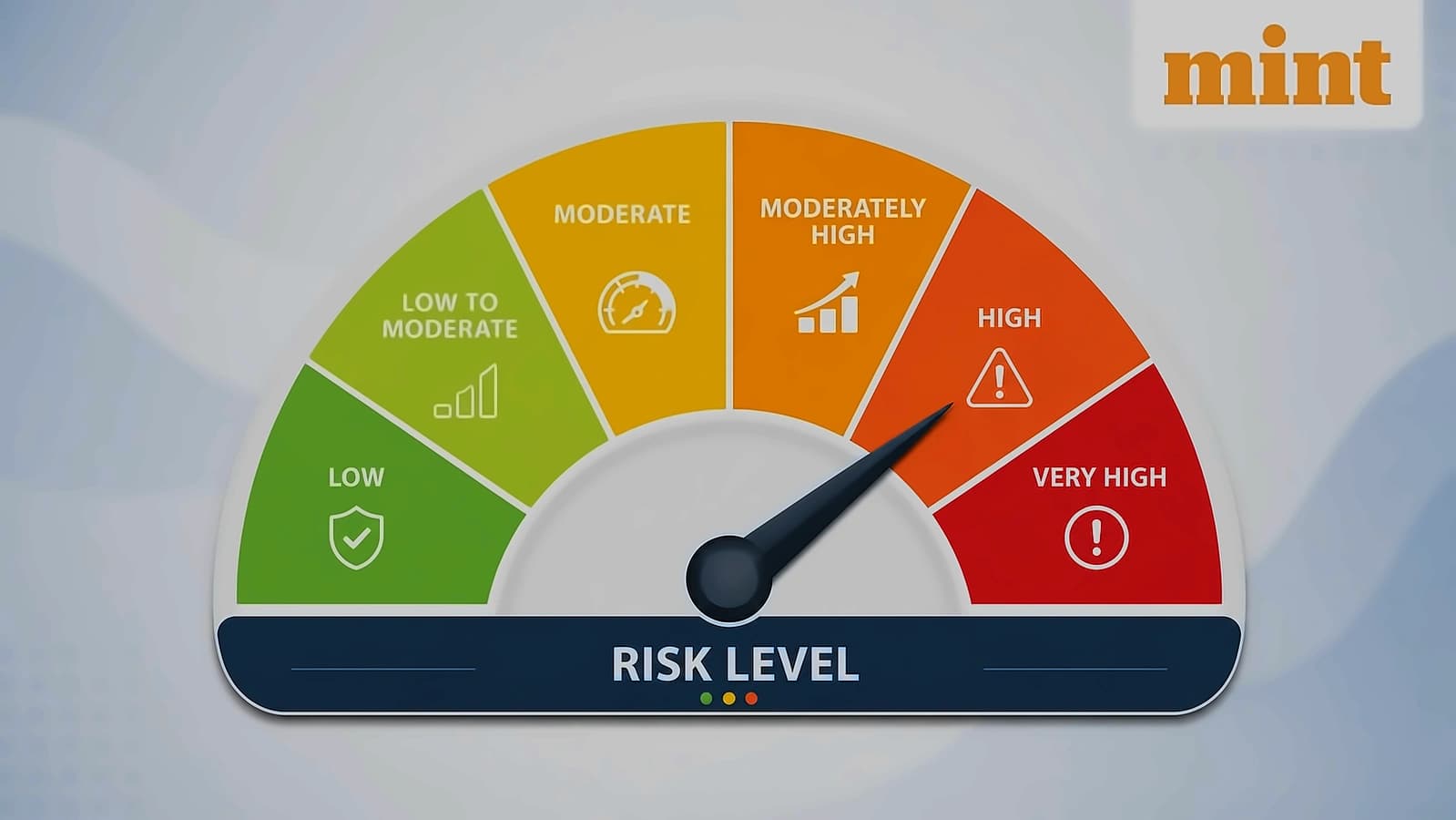
According to reports from Mint, investors often misinterpret high cash allocations in mutual funds as bearish market signals. Vaibhav Porwal, co-founder of Dezerv, identified the biggest misconception as treating high cash numbers as direct market calls. He explained that investors frequently read a rise in cash as fund managers turning bearish, even though significant portions of reported cash and cash equivalents may not be discretionary. Nirav Karkera, head of research and fund manager at W by Groww, emphasized that cash holdings can reflect operational factors including fresh inflows awaiting deployment, money required for redemptions, dividends, or interest payments.

As reported by Mint, the industry maintains cash levels of up to 5% on average to meet liquidity requirements. However, some equity schemes have held cash levels as high as 20%. Karkera noted that high allocations by themselves do not necessarily indicate problems if they align with the fund's investment approach and are adequately explained. Porwal highlighted that SEBI's categorization rules require large-cap, mid-cap and small-cap funds to invest at least 80% in their defined equity universe, while flexi-cap funds must maintain at least 65% in equity, limiting diversified equity funds' ability to move into cash.
According to Mint reports, comparing a fund's cash level with arbitrary thresholds is less useful than examining it against the fund's historical range. Porwal recommended that investors should question cash levels when they sit well outside the range that particular fund has historically run, and when they persist across several months rather than one. For example, if a fund historically maintained 2-5% cash but suddenly moves to 20%, investors should investigate the reasons. A sustained change is more significant than a temporary spike, as reported by Mint.
As reported by Mint, investors should avoid applying the same interpretation to cash levels across mutual fund categories. Equity funds typically hold cash as operational or opportunity buffers, with higher allocations reflecting fresh inflows, settlement requirements, or manager difficulty finding attractive opportunities. Hybrid and dynamic asset allocation funds may include cash as part of their intended asset-allocation strategy. Debt funds require different analysis, as liquidity management becomes particularly important due to redemption needs and maturity proceeds, with Mint noting that liquidity problems can become serious when funds hold relatively illiquid instruments while maintaining low buffers.
According to Mint reports, for long-term SIP investors, temporary cash increases are generally weak reasons to change investment course. Karkera stated that cash is often among the weakest signals available to retail investors, and even more so for retail SIP investors. Porwal noted that the impact of temporary cash positions on SIP investors is small because SIP purchases occur at the fund's NAV. The more significant risk is behavioral, as investors who pause SIPs due to fund cash allocations are making market-timing decisions based on limited information, as reported by Mint.