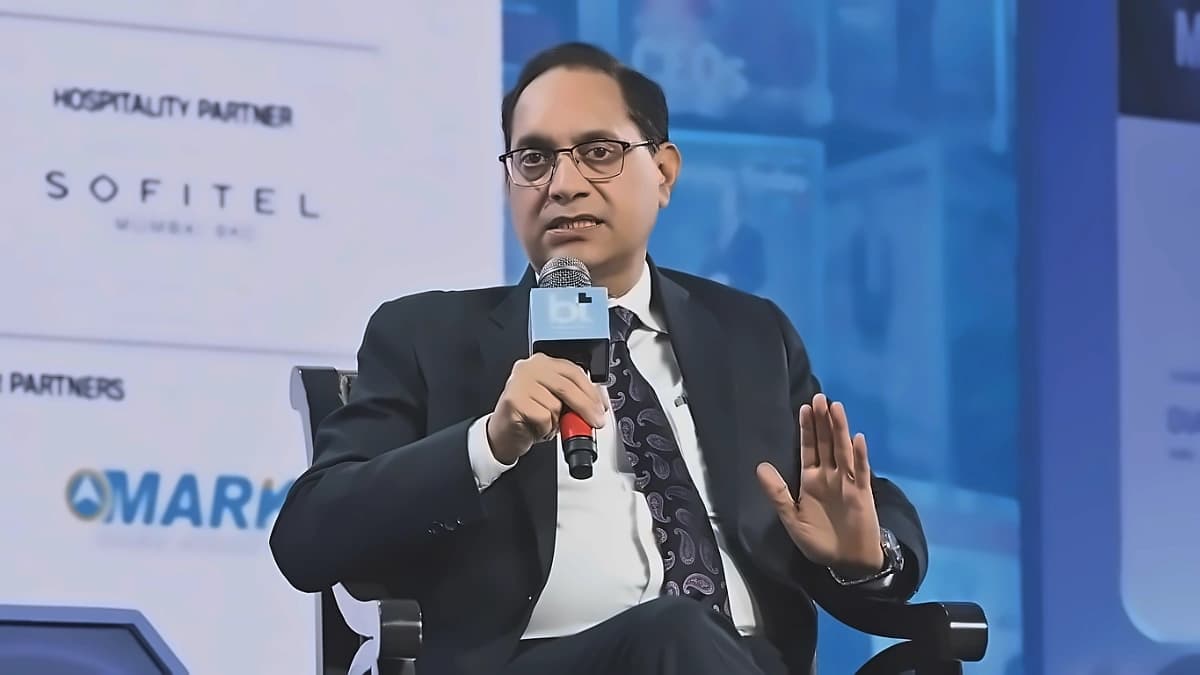
According to The Economic Times, Morningstar CEO Kunal Kapoor cautioned that Specialised Investment Funds (SIFs) should be treated as small satellite holdings rather than the core of an investor's portfolio. Kapoor emphasized that while SIFs address a real gap between mutual funds and PMS products, the flexibility offered by long-short strategies, derivatives and active asset allocation also brings greater complexity, costs and a wider range of outcomes. With most SIFs only months old, early performance data offers limited insight into their long-term potential. As per The Economic Times, Kapoor noted that when flows follow whatever did best over the past year or two and concentrate in the most volatile categories, recent returns are doing too much of the talking. He emphasized that for most investors, the core should be broad and diversified, with mid-cap, small-cap or thematic exposure built around it—not the other way round.

As reported by The Economic Times, SIPs have been a very positive force for investors in India, helping take the element of market timing out of investing and encouraging a more disciplined, long-term approach. Kapoor noted that over the last decade, SIPs have grown significantly in both assets and popularity, with broader participation and investors staying invested for longer. According to The Economic Times, Kapoor stated that SIPs can continue to have a lasting impact on investor behaviour and remain an important source of growth for the market. He observed that some of it is performance chasing, and some of it reflects a genuinely broader and better market, emphasizing the importance of separating genuine market improvements from short-term performance chasing in midcap, smallcap, thematic and passive products.
According to The Economic Times, SIFs address a real gap between mutual funds and PMS or AIF products with a ₹10 lakh minimum investment. Kapoor expects SIFs to expand the managed-investment market more than disrupt it, with the more important effect being greater competition, which can improve transparency, put pressure on costs and ultimately benefit investors. However, he noted that with a ₹10 lakh minimum investment, SIFs also address a relatively small segment of the market. As per The Economic Times, Kapoor stated that whether SIFs fill the gap or simply add another layer of complexity will depend on investor understanding and cost discipline. He emphasized that for most investors, simplicity is still the winning game.
As reported by The Economic Times, Kapoor emphasized that the most useful debate is active versus passive—it is value for money. He stated that a high-cost active fund has a very hard time justifying its existence, while a low-cost active fund with a strong team and patient, repeatable process can earn a place. In large caps, where coverage is deep and prices are generally efficient, it has become very difficult for active managers to beat the index consistently after fees. Kapoor's rule of thumb is passive is a sensible default in the most efficient parts of the market, before paying for active management elsewhere. In mid- and small-cap markets, thinner coverage and less evenly distributed information may create more room for skill, although not every year and certainly not for every fund. Fixed income is another area where good active managers can add value through credit selection, duration and liquidity management.
According to The Economic Times, Kapoor acknowledged that India now has more than 50 AMCs and SIFs are also getting a lot of love from investors, creating a problem of plenty for investors who want to keep things simple. He warned against hidden concentration risk, when investors own the same stocks through several funds and mistake that for diversification. Kapoor emphasized the importance of looking through the labels and understanding what you actually own, recommending investors check fund overlap, sector exposure and style exposure to avoid paying multiple sets of fees for the same portfolio. As per The Economic Times, Kapoor noted that investors have more choices than ever, that is a good problem to have: greater transparency, lower costs and more competition have made investing far better than it was a generation ago.