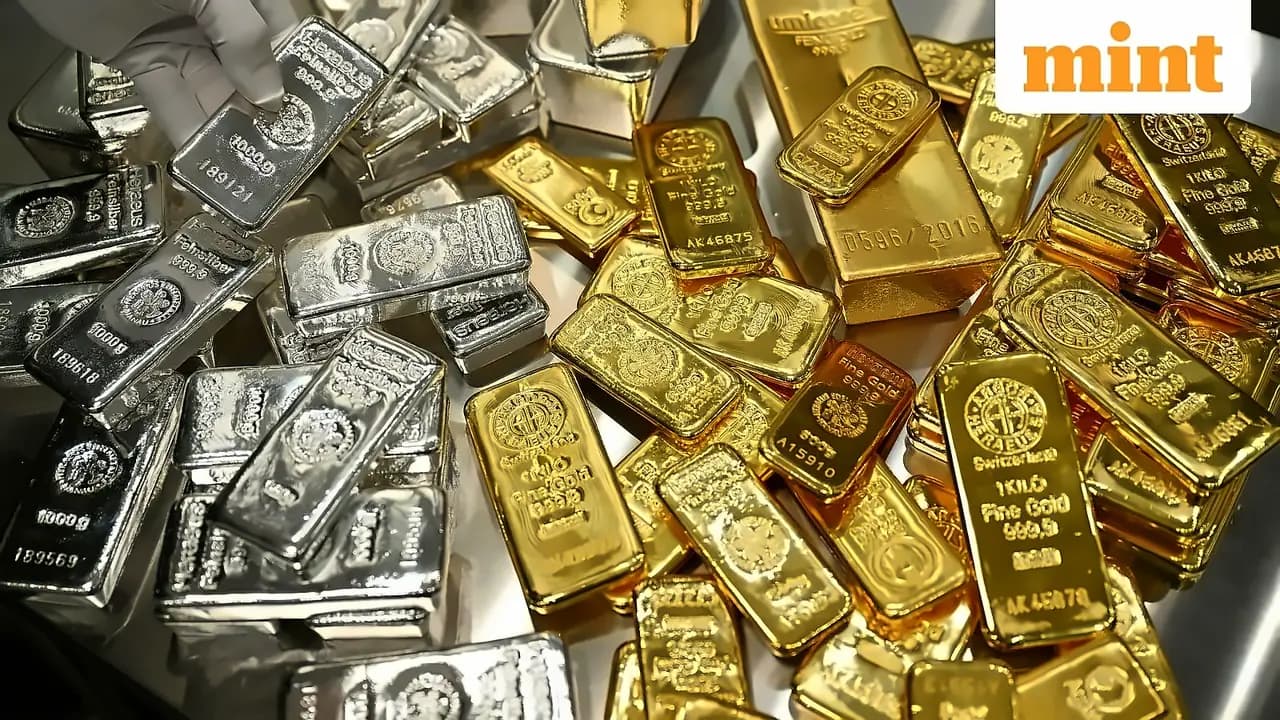
Net inflows into gold ETFs fell nearly 55% month-on-month to ₹1,559 crore in July, according to data released by the Association of Mutual Funds in India (Amfi). This represents a significant decline from the ₹3,443 crore inflows recorded in June 2026, following an outflow of ₹725 crore in May 2026. The sharp correction comes after gold ETF assets under management reached record highs during an extended rally, followed by a sharp market correction that prompted retail investors to pause fresh allocations. The move reflected profit-taking by some investors and the unwinding of leveraged positions that had supported earlier gains.
The sudden decline in flows points to a shift from aggressive momentum-chasing to cautious profit-booking, as reported by industry experts. Following a major price surge in gold ETFs between April 2020 and early 2026, gold and silver prices corrected significantly, down nearly 30% and 50% from their peak levels, respectively. According to Navneet Damani, head of research for commodities and currency at Motilal Oswal Financial Services, retail participation is heavily tied to price momentum, with many investors pausing SIPs as prices retreated. Vikram Dhawan from Nippon India Mutual Fund attributed the pullback to profit-taking and the unwinding of speculative positions, noting that higher oil prices and rising global bond yields added macro headwinds.
Despite the decline in ETF flows, gold prices continue to demonstrate strength in the current market environment. As of September 8, 2026, gold was trading at $4,407 per ounce, representing a $36 increase from September 4 and a $1,012 increase from a year ago. The precious metal has risen over 25% since the start of 2025, fueled by ongoing inflation and economic uncertainty. Gold continues to offer stability in a highly volatile period for the stock market, with many experts agreeing this is a good time to diversify portfolios with gold as an inflationary hedge.
Despite the temporary slowdown in retail flows, market experts maintain a constructive long-term outlook for precious metals. Damani expects a V-shaped recovery in international gold prices, targeting $5,500 to $5,700 per ounce over the next 12 to 24 months, with de-dollarization and treasuries moving away from US Treasury bonds to gold as the larger theme. Dhawan similarly highlighted that portfolio diversification will remain the primary driver for gold ETF adoption, noting that tactical money will come and go, but long-term flows will be driven by demand for asset allocation and risk-weighted returns. Gold portfolios are intended to hedge and act as a shock absorber, with investors advised to maintain a disciplined 10-15% allocation to precious metals rather than attempting to time price tops and bottoms. Industry watchers described the July tempering as a pause after a sharp price swing, noting that short-term momentum has cooled even as the long-run case for gold endures.