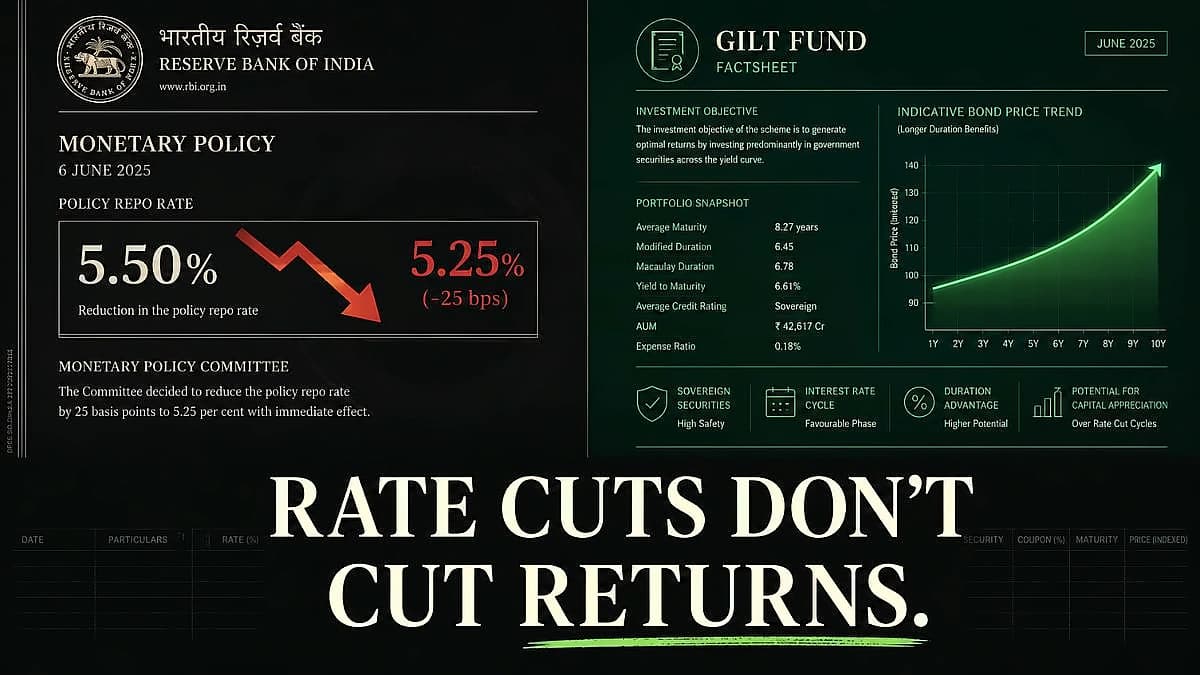
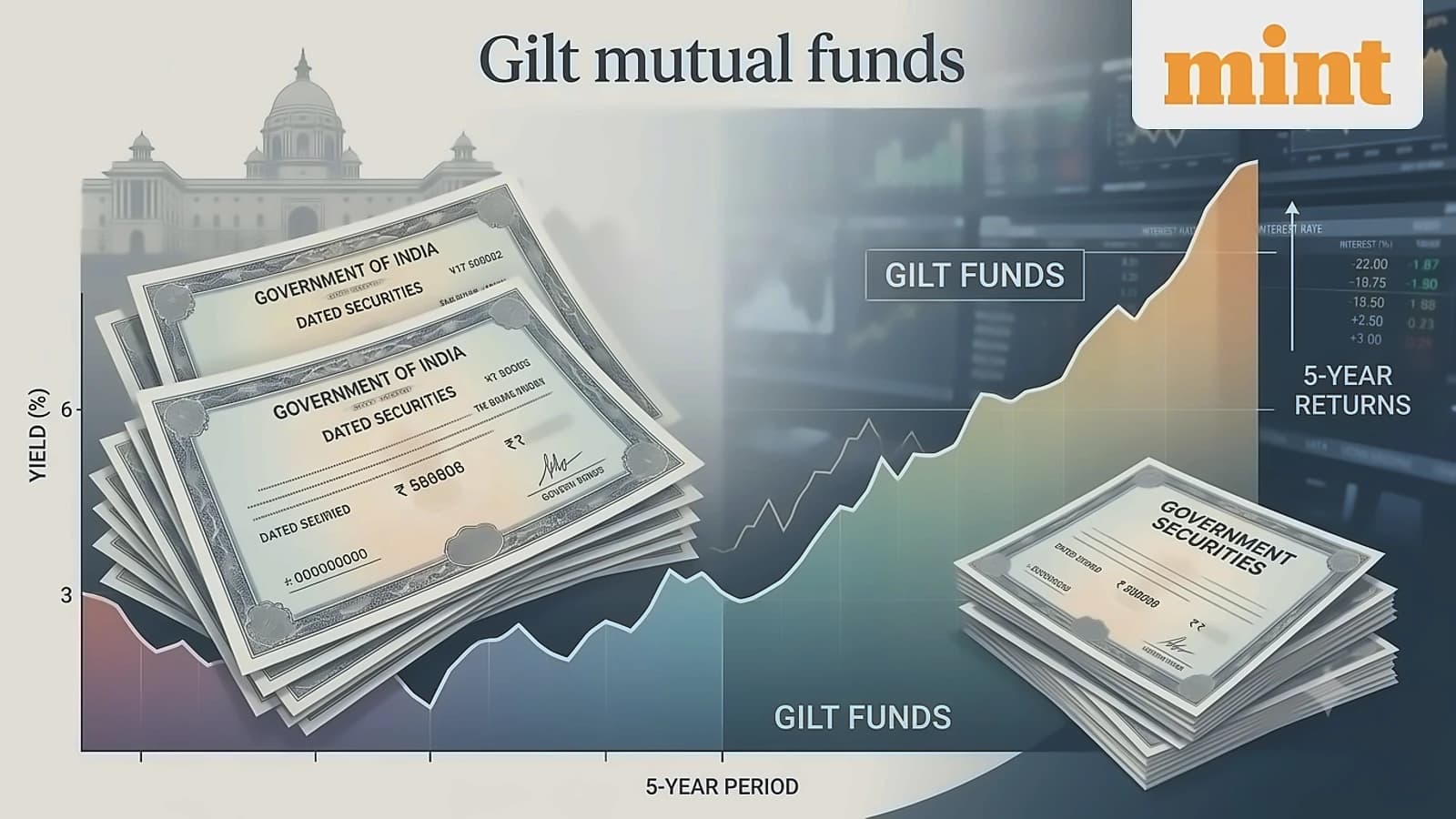
Gilt funds have demonstrated significant variation in returns during different rate-cut cycles, with performance ranging from 13% to just 3% according to recent analysis. This substantial difference highlights the complex relationship between RBI policy changes and gilt fund performance, where market conditions and fund management strategies play crucial roles in determining investor returns.
The analysis reveals that RBI policy changes, duration risk management, and exit rules are the primary determinants of gilt fund returns during rate-cut cycles. These factors create a dynamic environment where fund performance can vary significantly even within the same rate-cut cycle, making it essential for investors to understand these underlying drivers when evaluating gilt fund investments.
The findings emphasize the importance of understanding how RBI policy, duration risk, and exit rules interact to shape gilt fund performance during rate-cut cycles. This knowledge becomes particularly relevant for investors seeking to optimize their gilt fund investments, as it provides insights into the key factors that drive returns and helps inform strategic investment decisions during periods of monetary policy changes.
All weather funds, which combine equity, debt, and gold investments, operate under specific tax rules in India. Funds with 65% or more equity exposure are taxed like equity funds with STCG at 20% within 12 months and LTCG at 12.5% on gains above ₹1.25 lakh after 12 months. Funds with 35-65% equity exposure are treated as non-equity funds with LTCG at 12.5% without indexation after 24 months. Funds below 35% equity fall under specified mutual fund rules with gains taxed at slab rates regardless of holding period for units bought on or after April 1, 2023. Most popular all weather funds maintain equity exposure between 40-65%, placing them in the middle category for tax purposes.