According to the latest AMFI data, ICICI Prudential Gilt Fund emerged as the top performer over five years with a 6.42% annualised return, followed closely by Bandhan Gilt Fund at 6.38%. SBI Gilt Fund secured third position with 6.20% returns, while DSP Gilt Fund and Axis Gilt Fund rounded out the top five with 5.99% and 5.96% respectively. As reported by Mint, all 23 gilt funds in the category remain in positive territory across both one-year and five-year investment periods.
In the short-term category, Bandhan Gilt Fund dominated with 7.74% returns over one year, significantly outperforming UTI Gilt Fund at 5.39% and Franklin India Gilt Fund at 5.33%. Axis Gilt Fund followed with 4.51% returns, while ICICI Prudential Gilt Fund delivered 4.45% over the same period. According to Value Research data as reported by Mint, the gap between the top-performing scheme and the rest of the category is notable, with Bandhan Gilt's one-year return being more than two percentage points higher than the second-ranked UTI Gilt.
As reported by Mint, only two gilt funds—Bandhan Gilt Fund and Axis Gilt Fund—feature among the top five performers on both one-year and five-year return charts. This performance pattern demonstrates the importance of distinguishing between short-term and longer-term gilt fund performance. At the lower end of the performance spectrum, Union Gilt Fund delivered 1.39% over one year, the lowest among the 23 gilt funds, while LIC MF Gilt Fund delivered 4.94% over five years, placing it among the lower-returning schemes over the extended period.
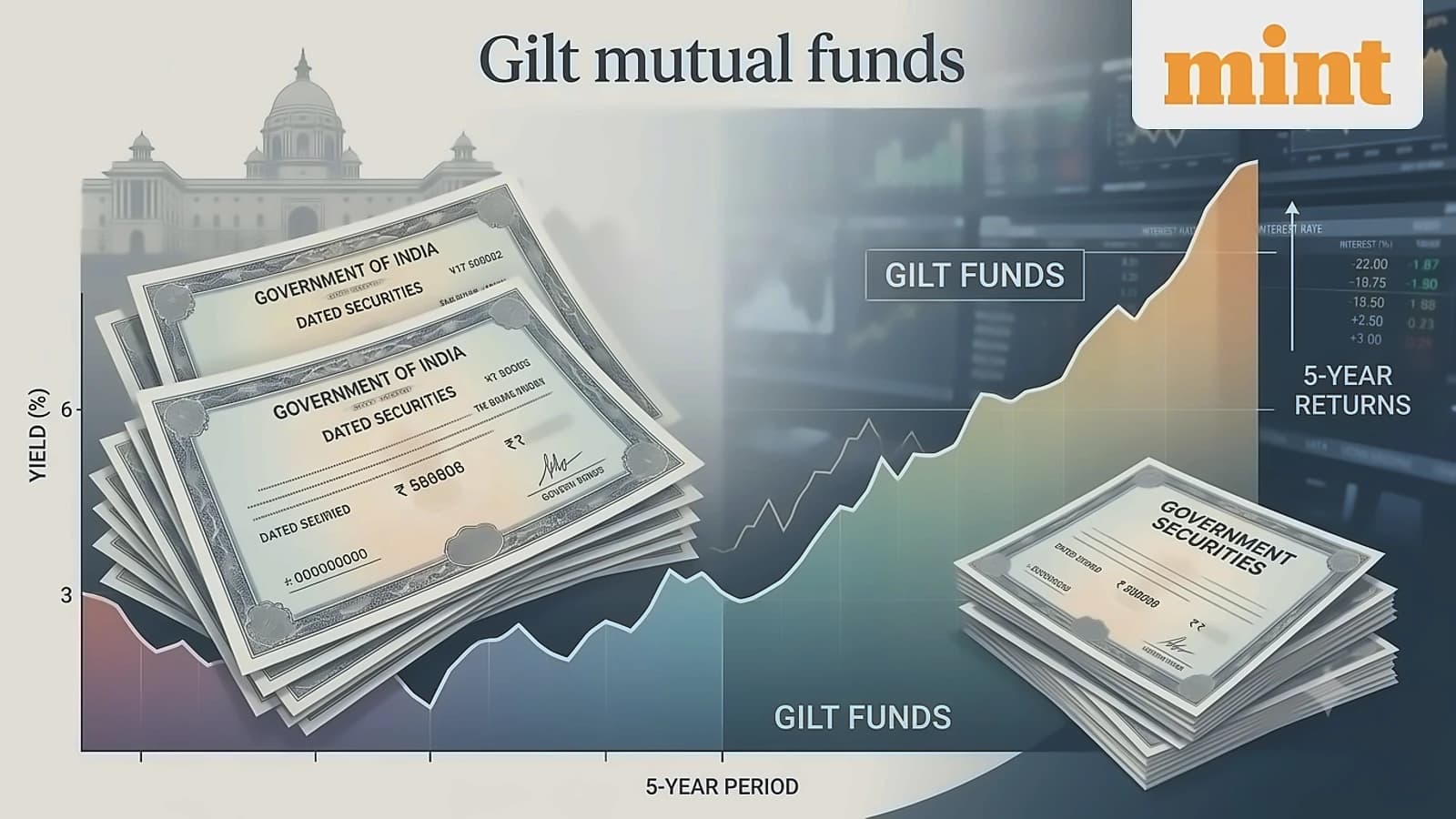
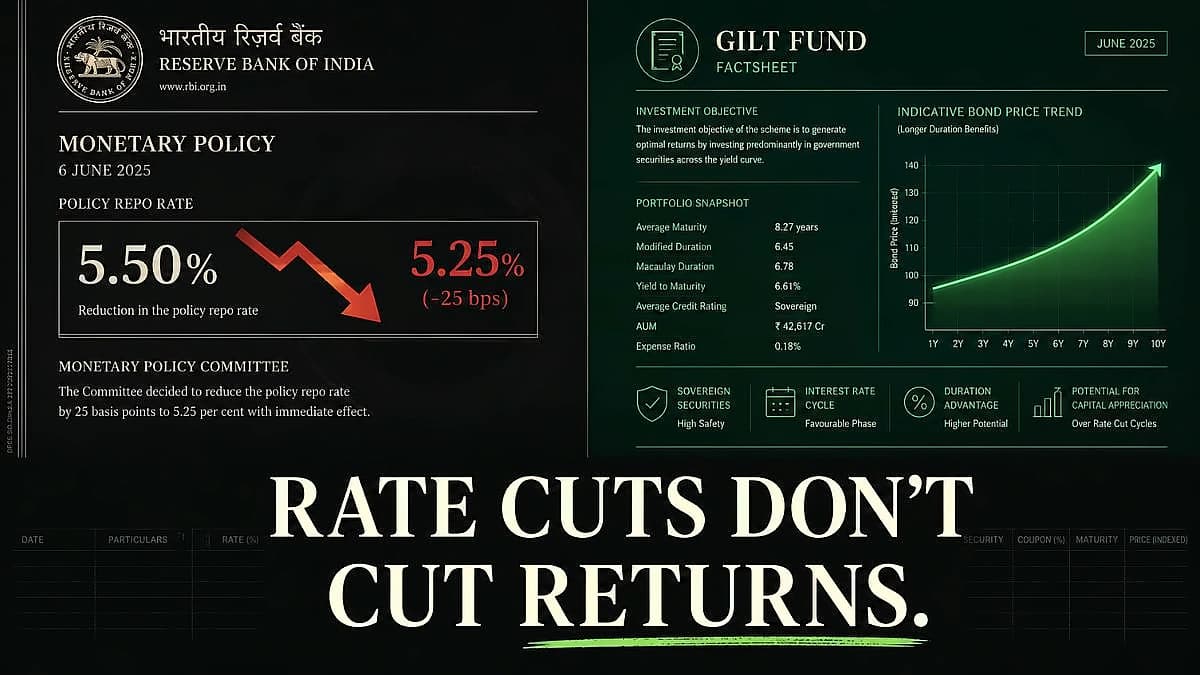
According to Mint, gilt mutual funds invest at least 80% of their assets in government securities across different maturities, making them open-ended debt schemes that hold sovereign debt. Since these funds invest predominantly in government securities, their returns are influenced largely by changes in government bond yields and interest rates. The funds are subject to market volatility despite their government security holdings, with returns closely linked to movements in bond yields. When yields fall, government bond prices generally rise, supporting gilt fund NAVs, while rising yields can weigh on bond prices and fund returns.