The Breakwave Tanker Shipping ETF (BWET) has delivered exceptional returns of 5,100% over the past year as of September 11, according to Morningstar data. As reported by CNBC, this performance makes it the best-performing non-leveraged fund in the US during this period. The ETF, which tracks oil tanker shipping rates, has also generated 3,600% returns on a year-to-date basis, demonstrating sustained momentum throughout the current geopolitical crisis. According to Yahoo Finance data, BWET has gained 1,300% since the war started, with the fund trading near $781.92 on Monday against a 52-week low of $13.58. The ETF, which tracks oil tanker shipping rates, has also generated 3,600% returns on a year-to-date basis, demonstrating sustained momentum throughout the current geopolitical crisis. According to Morningstar data through September 11, the fund has emerged as the biggest gainer of all amid the U.S.-Iran conflict, with the surge attributed to the US-Iran war squeezing tanker traffic through the Strait of Hormuz. BWET's main appeal lies in its unique positioning as the only ETF that tracks crude oil freight futures, providing exposure to tanker futures contracts without investors having to trade futures contracts directly.
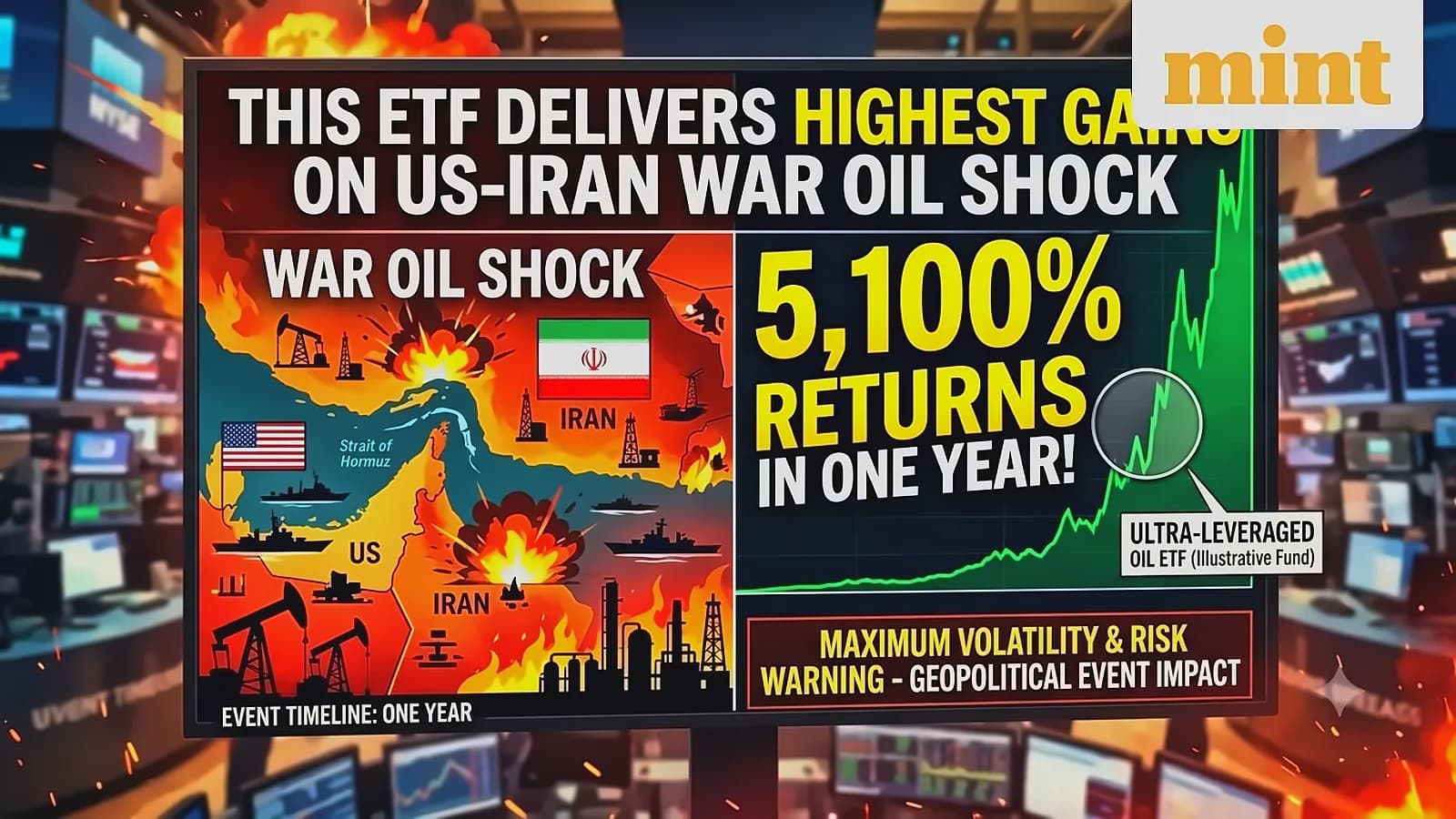
The surge is primarily attributed to the ongoing US-Iran war disruptions that have severely impacted tanker traffic through the Strait of Hormuz. According to reports from Live Mint, supply chains and shipping routes are facing further disruptions after Iran-backed Houthi rebels seized control of Yemen's key port of Mokha last week. The strategic location could enable the militia to disrupt shipping traffic in the Red Sea, forcing vessels to take longer and costlier trade routes. As reported by Live Mint, average geopolitical shipping disruptions jumped from around 1,000 per week to over 9,000 at the crisis peak, with Project44 flagging 140,276 total shipping disruptions this year - twice as high as before the Iran war outbreak. The Red Sea had emerged as an alternative route to the increasingly risky Persian Gulf, but the latest developments have complicated this strategy. According to CNBC, BWET's main appeal is not crude oil prices, but rather its transportation costs, with the fund providing exposure to geopolitical situations rather than oil prices themselves. The Iran and US conflict has been ongoing since February 28, with ships stopping sailing and insurance becoming unaffordable. Saudi Arabia shut its East-West pipeline, the last way around the strait, while Oman postponed talks on reopening it. The supersized earnings also reflect oil-refining margins that have spiraled out of control because wars in Iran and Ukraine mean the world isn't making enough fuel to meet demand, spurring refiners to keep purchasing and shipping whatever barrels they can get.
The disruptions have resulted in supertanker freight rates surging to record highs, with oil tanker hiring costs topping $1 million a day for the first time. According to The Hindu BusinessLine, vessels hauling oil from inside the Persian Gulf to China were being hired at $1.035 million a day as of Monday, according to data from the Baltic Exchange in London. The benchmark route has become less relevant during the war because the main means of exporting Persian Gulf oil has shifted to shuttling barrels through Hormuz for collection just outside by tankers that don't want to navigate the strait. Even transporting crude to China from the Gulf of Oman, which doesn't require transit through the chokepoint, costs the equivalent of about $644,000 a day. In bad markets in the past, the same ships sometimes barely covered their running costs. Shuttling cargoes out of the Hormuz is adding time to each tanker journey, sucking up vessel supply, alongside disruptions to Saudi oil flows from Yemen's Houthi rebels, which has forced some ships to sail a voyage that's 30 days longer around Africa. The latest developments show Gulf to China supertanker rate hit a record $862,150 a day on the Baltic Exchange on September 10. The bill lands on drivers, with BeInCrypto reporting record US diesel prices crossing $6 a gallon, an all-time high in 28 states.
The shipping crisis has reached unprecedented levels, with only seven ships crossing the Strait of Hormuz on September 10, compared to roughly 125 ships crossing every day before the war. According to Yahoo Finance, four obscure funds have spent 2026 turning that collapse into money, with only about four US-listed shipping ETFs existing between them holding under $450 million. While BWET went vertical, other shipping ETFs are also posting gains - Breakwave Dry Bulk (BDRY) is up about 95% over the past year, SonicShares Global Shipping (BOAT) is up 69%, and US Global Sea to Sky Cargo (SEA) is up 45%. As reported by Baird Strategas chief ETF strategist Todd Sohn, "It is hard to find something more niche than this." The situation has intensified as Saudi Arabian authorities ordered closure of the kingdom's critical East-West crude oil pipeline as a precaution following multiple drone attacks launched from Iraq. According to CNBC, rates on Middle East oil tanker routes are up close to 500% year-over-year, as reported in BWET's most recent biweekly tanker report on September 8. The combination of geopolitical tensions and traditional trade route disruptions due to tariffs and widespread drought has created an unprecedented shortage of ships, with companies paying prices that might be 300% higher than normal rates.
Market participants are warning that any normalization of the Strait of Hormuz could significantly impact these shipping ETFs. John Kartsonas, founder of Breakwave Advisors, stated that "If there is a normalization in the Strait of Hormuz, you would expect freight rates to come down, and that would affect freight futures as well." The freight market is not waiting for peace negotiations, with Oman having set no new date for reopening talks. While BWET and BDRY own freight futures that fix shipping cargo prices weeks ahead, allowing them to capture spikes, other ETFs like BOAT and SEA own shipping companies that carry debt and move slowly, catching the boom rather than the spike. The Brent crude above $100 rose 3% Monday past $110, highlighting the broader impact of the geopolitical tensions on energy markets. The shipping crisis has created a unique investment opportunity in what Baird Strategas describes as "hard to find something more niche than this," but investors must consider the risk that peace could end the current surge in shipping rates and freight futures.