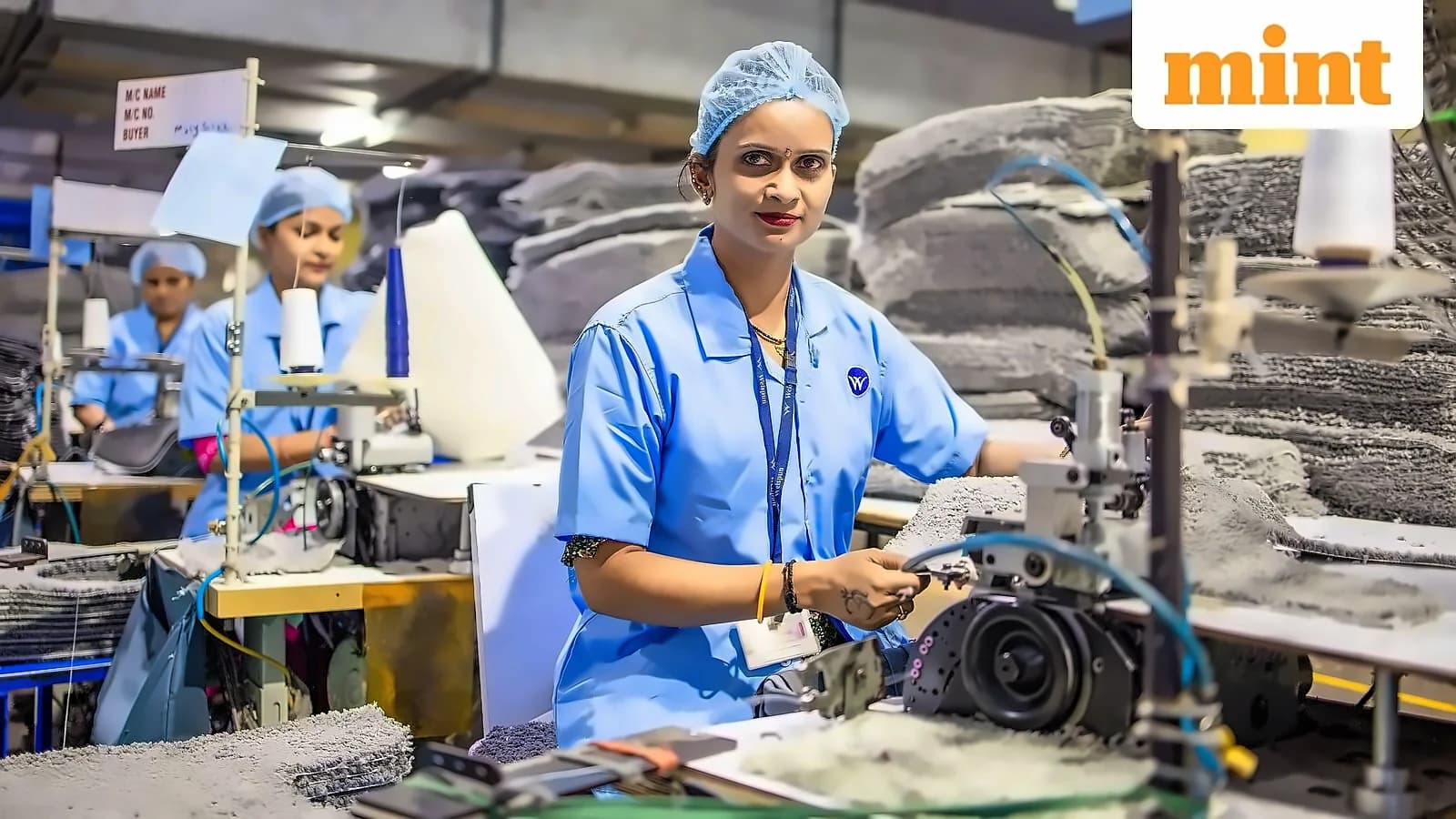
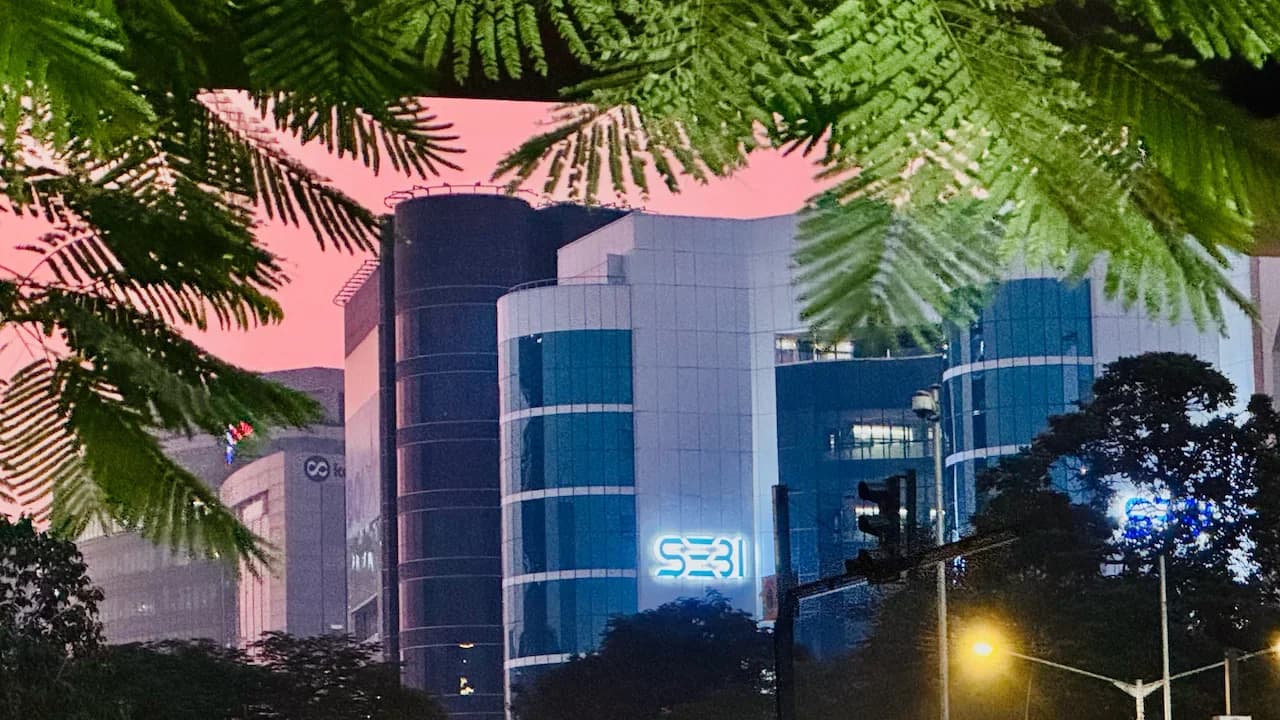
A think tank report warns that the government's decision to allow concessional-duty supplies from Special Economic Zone (SEZ) units to the domestic market could significantly impact micro, small and medium enterprises (MSZs) and distort competition. According to the Think Change Forum report, the policy fundamentally alters the core bargain of the SEZ framework, allowing units with duty-free inputs and export-linked fiscal concessions to access domestic markets where non-SEZ manufacturers operate with higher costs.
The report estimates that SEZ supplies to industrial clusters could reduce domestic suppliers' order books by 25-35% within a quarter. Additionally, every ₹1,000 crore of high-margin products sold into the domestic market under the concession could displace around ₹420 crore of MSME sales. Finance Minister Nirmala Sitharaman announced this special one-time measure in the Budget for FY27, allowing eligible SEZ units to sell up to 30% of their highest annual free-on-board export value into the domestic market between April 1, 2026, and March 31, 2027.
Former chairman of the Central Board of Indirect Taxes & Customs Najib Shah acknowledged the temporary concession's justification given the export slowdown. As reported by the think tank, Shah stated that from the government's perspective, this relaxation is justified because global uncertainty has impacted exports, with SEZs facing difficulties. However, he emphasized that the impact on domestic industry would need to be monitored, noting these are early days and the extent of impact remains uncertain.
A 17-member committee is set to submit its comprehensive report on SEZ policy reforms to the commerce ministry, with the report expected to be submitted to Commerce Secretary Rajesh Agarwal. The committee has held extensive meetings with different stakeholders on SEZ issues and has focused on harmonising various export promotion schemes including SEZs, export-oriented units (EoUs), MOOWR, Advance Authorisation, EPCG, and Duty-Free Import Authorisation (DFIA). The committee's terms of reference include identifying operational challenges, reviewing fiscal impact, and assessing cost-benefit outcomes in terms of exports, investment and economic activity.
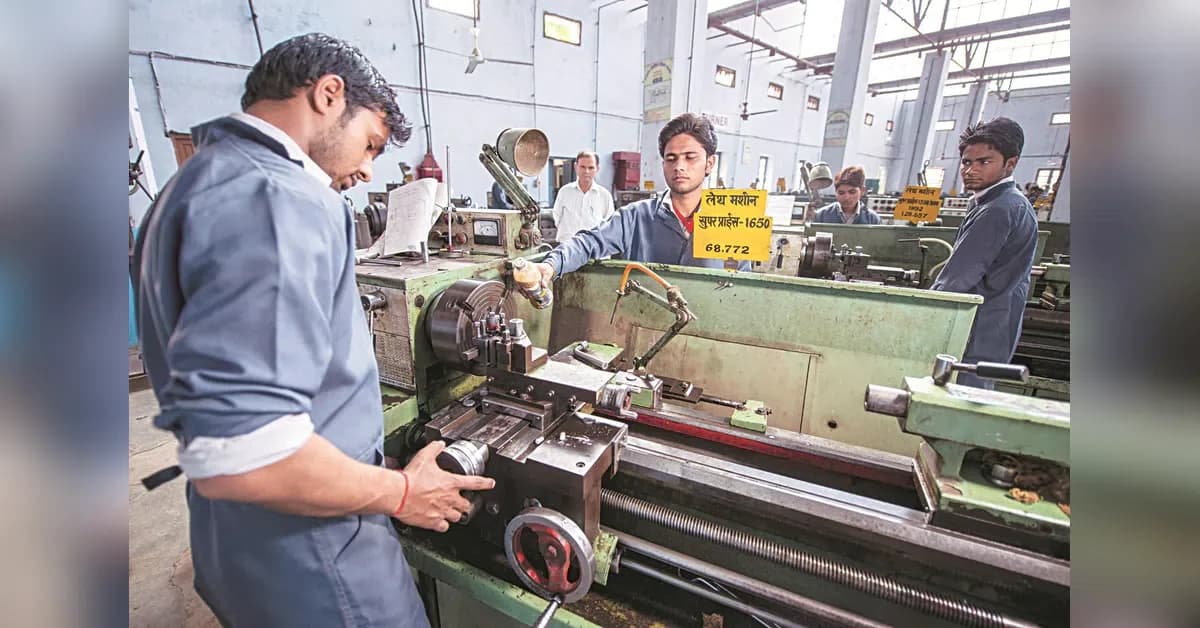
The report comes as the commerce ministry consults stakeholders on a broader overhaul of the SEZ framework under the proposed 'SEZ 2.0' policy. According to the think tank, the 2026 DTA relaxation should not become the template for a broader SEZ reset. The report argues that if India is to expand SEZs under a China+1 and Viksit Bharat manufacturing strategy, expansion must be tied to export deepening, domestic value addition, R&D and supply-chain integration rather than easier domestic market access. The committee will recommend short-term, medium-term and long-term policy, legal and procedural reforms, including possible amendments to the SEZ Act/Rules, with an implementation roadmap featuring clear timelines.
The reform initiative comes as India's SEZ sector shows mixed performance, with total exports rising 7.37% to USD 172.27 billion in 2024-25. Currently, there are 276 operational SEZs with 6,279 units across the country. The move is particularly significant as the SEZ law was formulated in 2005 when Indian trade policy was different, and the situation has changed due to global developments, making comprehensive reforms necessary for the sector's continued relevance in India's manufacturing ecosystem.