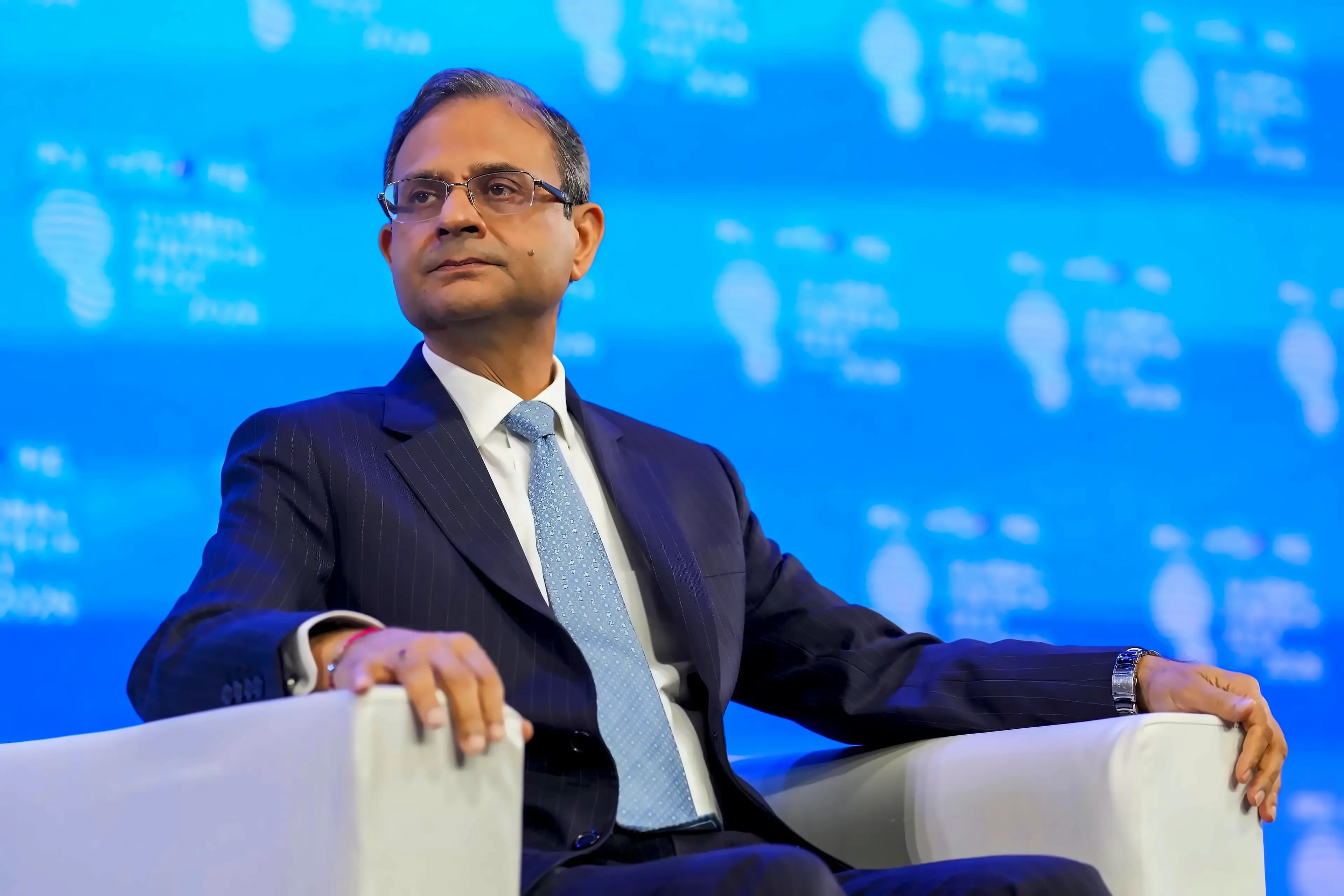
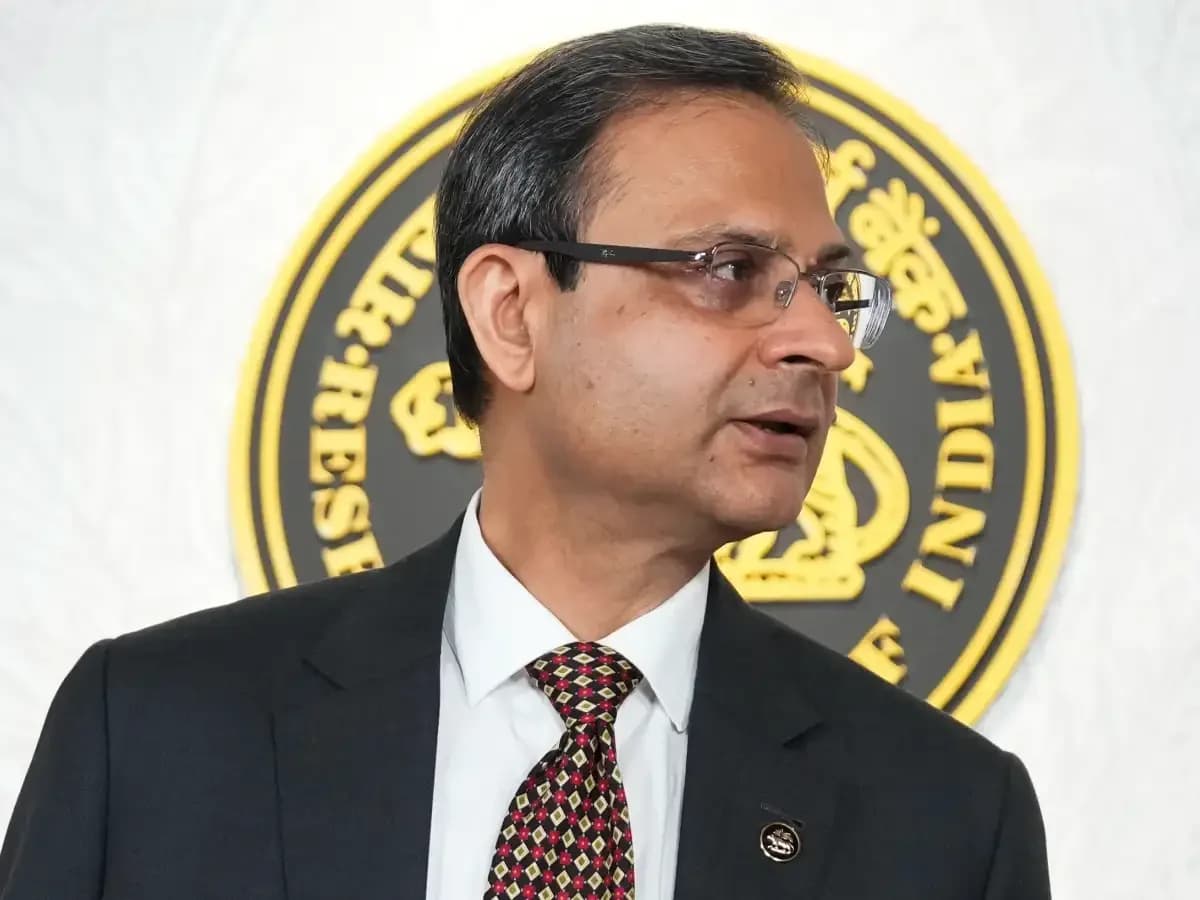
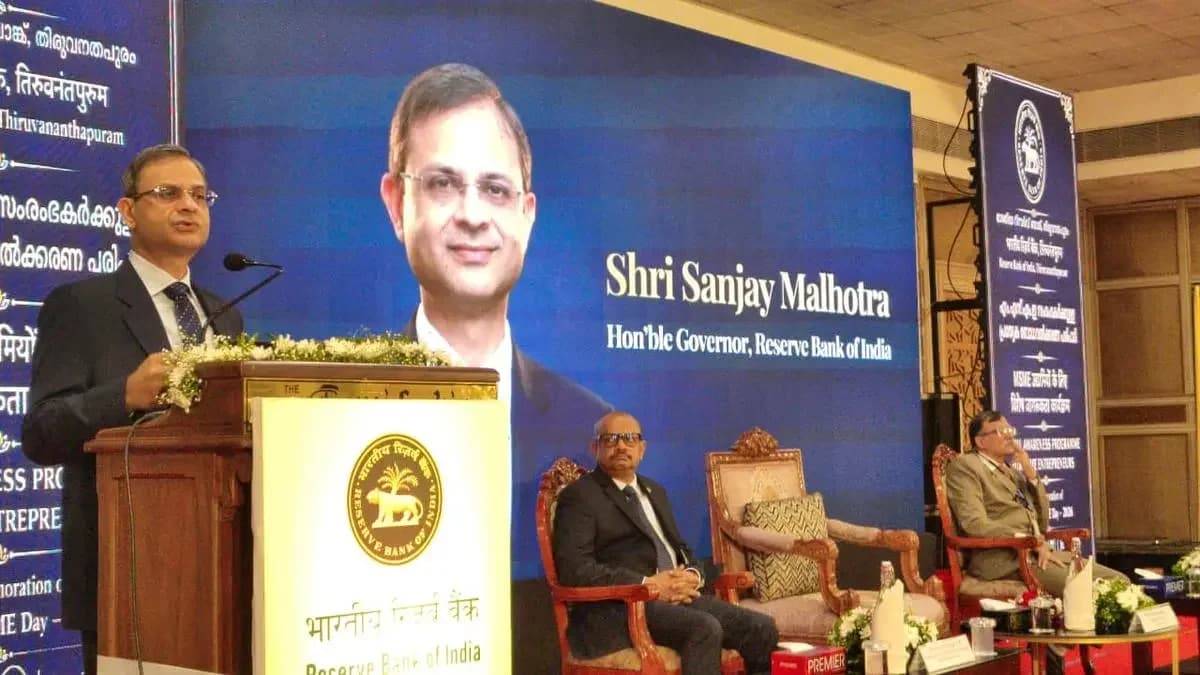
RBI Governor Sanjay Malhotra has urged banks and financial institutions to view micro, small and medium enterprises (MSMEs) not merely as beneficiaries of regulatory mandates or government schemes, but as long-term business partners whose growth drives both economic and social development. According to reports from Business Standard and The Economic Times, Malhotra made these remarks while inaugurating a special awareness programme for MSME entrepreneurs in Kochi on International MSME Day 2026 which falls on June 27. Addressing approximately 150 MSME entrepreneurs from Kerala and senior banking officials, the RBI chief emphasized that MSMEs are key to the 'Viksit Bharat' vision and termed them the 'nursery of entrepreneurship'. As reported by The Economic Times, Malhotra noted that MSMEs contribute around 45% of exports from the country and provide jobs to about 33 crore people, making them the country's largest source of employment outside agriculture sector, stating "These are not just numbers. These are the testament to the ambitions, dynamism and perseverance of MSMEs."
The RBI Governor called on banks to embrace digital transformation and leverage India's digital public infrastructure, including the TReDS, account aggregator and ULI frameworks, to build a more inclusive and efficient credit ecosystem. As reported by The Economic Times, Malhotra highlighted the upcoming Unified Lending Interface (ULI) to streamline credit appraisal, describing it as a technology-based initiative that aims to make frictionless credit available to every Indian and further the Union government's broader vision of digital empowerment, financial inclusion, and last-mile service delivery. The Account Aggregator (AA) framework has facilitated lending of ₹3.5 trillion during FY26 and has the potential to scale up significantly, according to Malhotra's latest statements. The programme, organized by the RBI, Thiruvananthapuram, aimed at enhancing financial literacy among MSME entrepreneurs and facilitating interactions between entrepreneurs, bankers, and government agencies. According to Business Standard, the event featured technical sessions on access to credit, innovative financing solutions, MSME support schemes offered by SIDBI, RBI initiatives for the MSME sector, and various schemes implemented by the Central and State governments, with successful entrepreneurs sharing their experiences and insights.
According to the RBI Governor's statements, MSMEs account for nearly 31 per cent of India's GDP, 45 per cent of manufacturing output, almost 50 per cent of exports and provide employment to around 33 crore people, making them the country's largest source of employment outside agriculture. The bank credit to the MSME sector has witnessed robust growth in recent years, outpacing overall bank credit expansion, with Kerala performing strongly in MSME credit growth. Malhotra noted that MSME credit growth has outpaced overall credit growth, with the sector contributing significantly to the country's economic development. As reported by The Economic Times, he emphasized the need for a "reorientation" in how banks view MSMEs, with relationship-based lending, supported by digital data, playing a key role in expanding sustainable financing to the sector. The Ministry of MSME has provided updated figures showing the sector contributes about 31.1 per cent to India's gross domestic product, accounts for 48.58 per cent of exports, generates around 35.4 per cent of manufacturing output, and provides livelihoods to about 328 million people, making it the second-largest source of employment after agriculture. According to the latest data, credit outstanding by scheduled commercial banks to the MSME sector stood at ₹36.79 trillion as on December 31, 2025, with a healthy CAGR of around 15 per cent during the past five financial years.
The Governor encouraged entrepreneurs to invest in technology, innovation and research, actively participate in digital lending platforms, engage with RBI through consultation mechanisms and register on the Udyam portal to avail themselves of government support schemes. As reported by The Economic Times, Malhotra advised entrepreneurs to "take ownership of your growth by investing in technology, R&D and innovation as consumer preferences and expectations evolve." He reiterated that the RBI would continue strengthening financial infrastructure, reducing barriers to credit access and working closely with stakeholders to enhance the growth and resilience of MSMEs nationwide. He highlighted that the RBI has initiated measures such as priority sector lending targets, higher collateral-free loan threshold, TReDS, Account Aggregator framework, and waiver of pre-closure charges to narrow the credit gap. The RBI's updated master direction on lending to the MSME sector mandates that banks are not to accept collateral security for loans up to ₹20 lakh extended to units in the micro and small enterprises sector, and may raise the collateral dispensation limit to ₹25 lakh on the basis of good track record and financial position. The programme also featured sessions on innovative financing solutions and MSME support schemes offered by SIDBI and various government agencies, with the event underlining a shift in the MSME debate toward whether existing instruments can reach entrepreneurs before financing gaps emerge.
The RBI's Unified Lending Interface (ULI) has demonstrated significant progress in facilitating MSME lending, with the pilot program beginning on August 17, 2023. According to Business Standard, the ULI has facilitated the disbursement of over 600,000 loans amounting to ₹27,000 crore, including about 160,000 loans amounting ₹14,500 crore to MSMEs. The platform enables seamless flow of digital information from multiple data service providers to lenders, making it a crucial digital public infrastructure for the lending space. The Trade Receivables electronic Discounting System (TReDS) continues to play a vital role in helping MSMEs unlock working capital, with the RBI emphasizing that the objective is to create electronic bill factoring exchanges that allow MSMEs to encash receivables without delay and impose greater payment discipline on companies. The RBI's separate TReDS FAQs confirm that only MSMEs can participate as sellers on the platform, while sellers, buyers and financiers are participants on the platform. Drawing a parallel with the Unified Payments Interface (UPI), Malhotra said ULI has the potential to fundamentally change how credit is accessed, stating "For an enterprise with a thin credit history but a genuinely strong business, this is transformative. It allows you to be judged on the true, current state of your business, quickly and with far less friction."