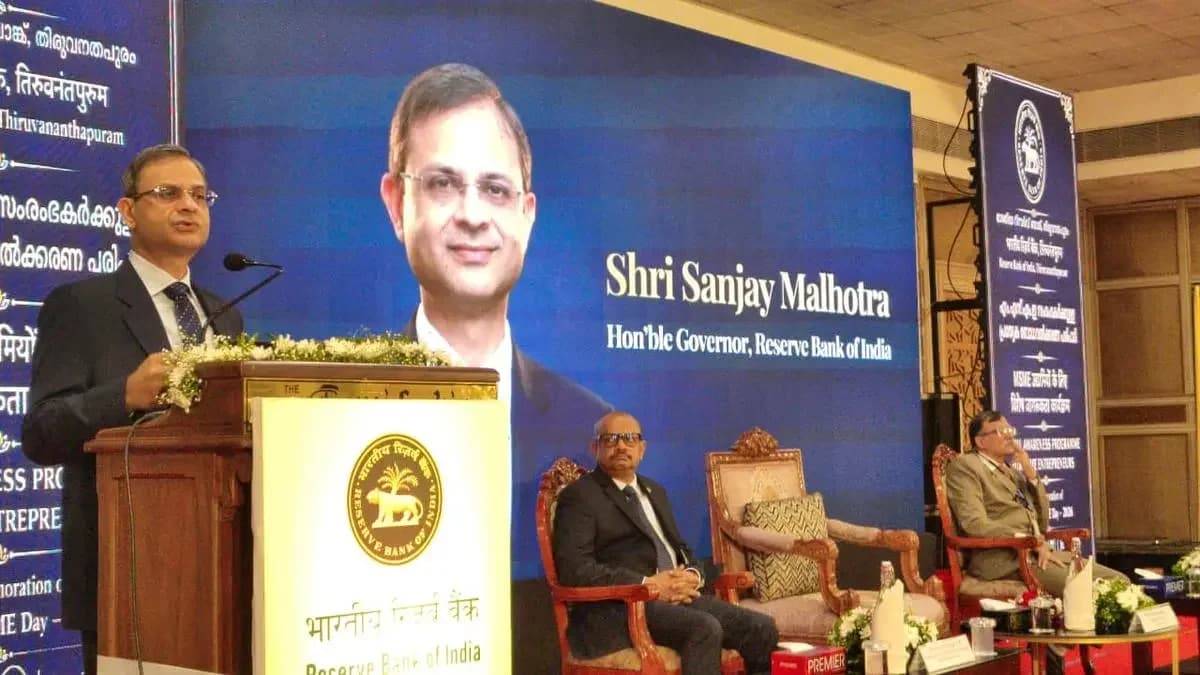
The Reserve Bank of India has called for greater use of digital lending channels, expansion of receivables financing, and early identification and resolution of stress among MSME borrowers. At the 31st meeting of the Standing Advisory Committee (SAC) on MSME credit in Kolkata, Deputy Governor Swaminathan J emphasized the need to expedite credit sanctions to micro, small, and medium enterprises while reducing their reliance on collateral. According to the RBI press release, the meeting reviewed the flow of working capital and investment credit to MSMEs, lending to first-time borrowers, and credit guarantee coverage. The discussions also covered the enhanced limit for collateral-free lending to micro and small enterprises, settlement of invoices of central public sector enterprises through TReDS, and key provisions of the MSMED (Amendment) Act, 2026.
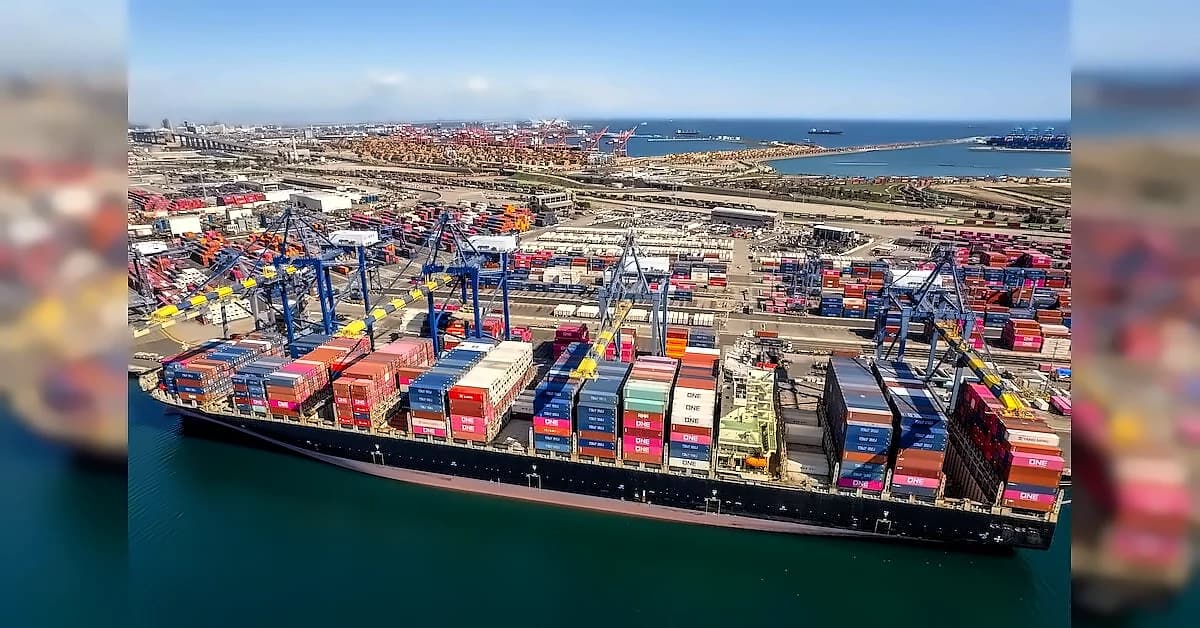
Commerce Secretary Rajesh Agrawal has revealed that India's preferential market access through implemented FTAs has expanded to $70 trillion, with potential to reach $85 trillion over the next 12-18 months. Speaking at an outreach initiative in Jaipur on November 27, Agrawal emphasized that FTAs provide huge opportunities for exporters, particularly Micro, Small and Medium Enterprises (MSMEs). According to the commerce ministry, India's preferential access to global markets, representing around $10 trillion in GDP until a few years ago, had expanded by an additional $60 trillion over the last four-and-a-half years through FTAs with countries including Oman, the UK, New Zealand, Australia, and the European Free Trade Association (EFTA) bloc. With ongoing bilateral and multilateral trade engagements across eight to nine geographies, this expanded access represents nearly 76 per cent of global GDP.
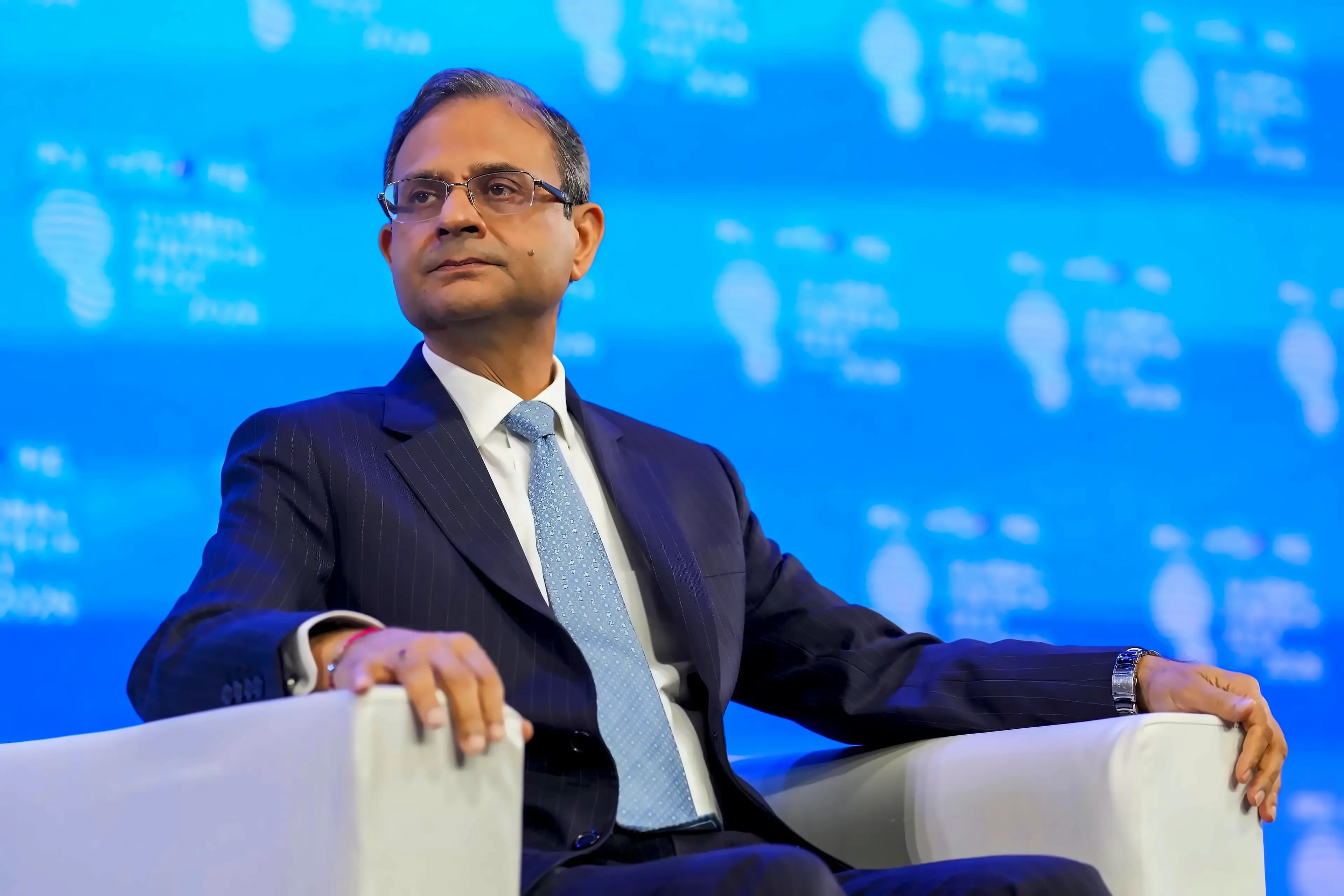
Reserve Bank of India Governor Sanjay Malhotra emphasized the critical role of micro, small and medium enterprises in India's economic landscape, stating that MSMEs account for 31% of India's GDP, 35% of manufacturing output and nearly half of merchandise exports. Speaking at an event in Mumbai, Malhotra highlighted that these ventures are the biggest employer after agriculture, providing jobs to 450 million people. According to The Hindu BusinessLine, the RBI will strengthen its credit infrastructure to help small businesses scale up and compete globally, with the Governor noting that labour-intensive MSME sectors can be important conduits through which the benefits of trade are realised. The latest RBI initiatives build on this foundation, with Deputy Governor Swaminathan J calling for industry associations to actively participate in the RBI's outreach initiatives, including town halls and district-level MSME SAMVAAD meetings to improve awareness of credit-related initiatives.
India's digital public infrastructure has significantly improved MSME access to finance, with the Account Aggregator framework facilitating loans worth around ₹3.5 trillion in FY26, according to Business Standard. The RBI has now called for greater use of the Unified Lending Interface (ULI) and other digital channels to facilitate lending to MSMEs. Deputy Governor Swaminathan J emphasized the need to expand the use of the Trade Receivables Discounting System (TReDS) for receivables financing and strengthen early identification and resolution of stress among MSME borrowers. However, Malhotra emphasized that technology should supplement rather than replace relationship banking, which he described as ultimately built on trust and requiring lenders to understand businesses and the people behind them. The RBI meeting was attended by representatives of the Ministry of MSME, the Department of Financial Services, select banks, Sidbi, Nabard, CGTMSE, NCGTC, KVIC, the Indian Banks' Association, and national, regional, and state-level MSME associations.
Commerce Secretary Rajesh Agrawal has urged exporters to identify sector-specific opportunities in countries with which India has implemented free trade agreements and develop overseas supply chains to boost exports. As per the commerce ministry, the secretary encouraged exporters to participate in international exhibitions, develop overseas supply chains and explore emerging avenues such as cross-border e-commerce. The ministry is organizing a series of workshops to spread awareness about opportunities being provided by these pacts. The latest developments highlight the growing importance of 70-80% of eligible Indian exports that continue to enter partner markets under regular most-favoured-nation (MFN) tariffs, making them less competitive than goods from countries that use trade agreements more effectively. India's trade agreements with UAE, Australia, EFTA, Oman, UK, ASEAN, Japan and South Korea offer lower or zero import duties on eligible goods, yet exporters, particularly smaller firms, have failed to fully claim these benefits.