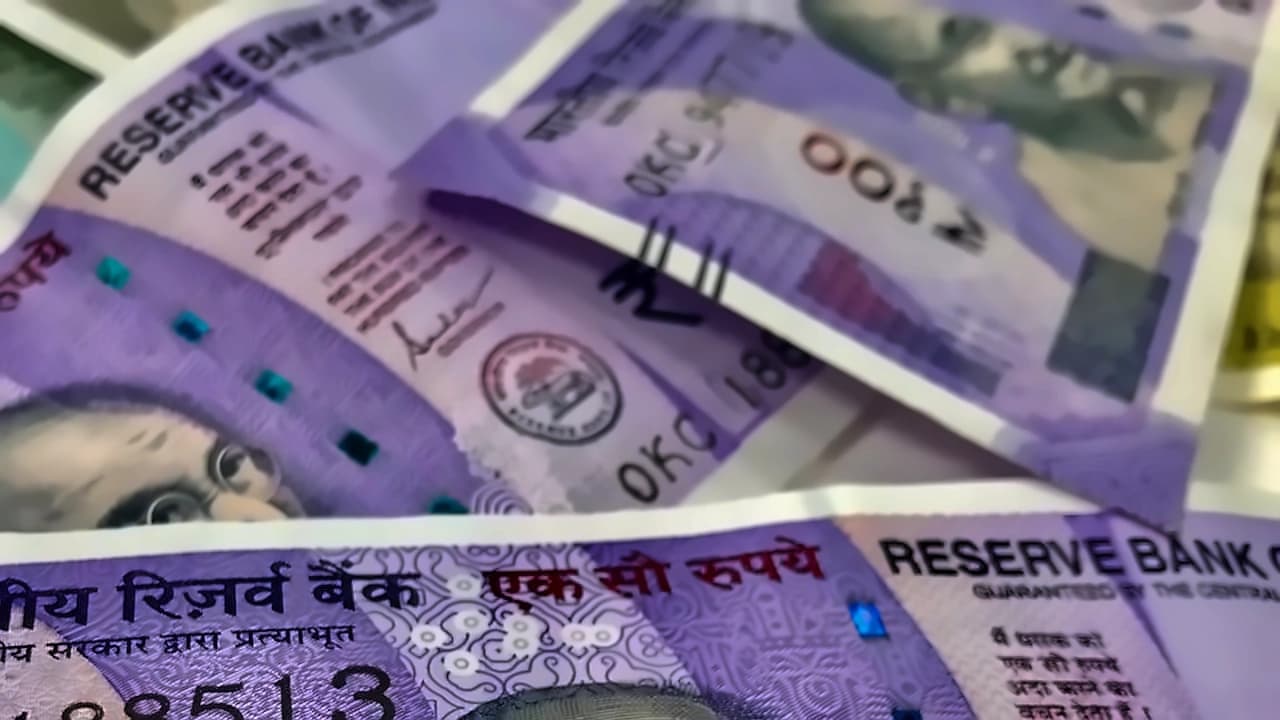
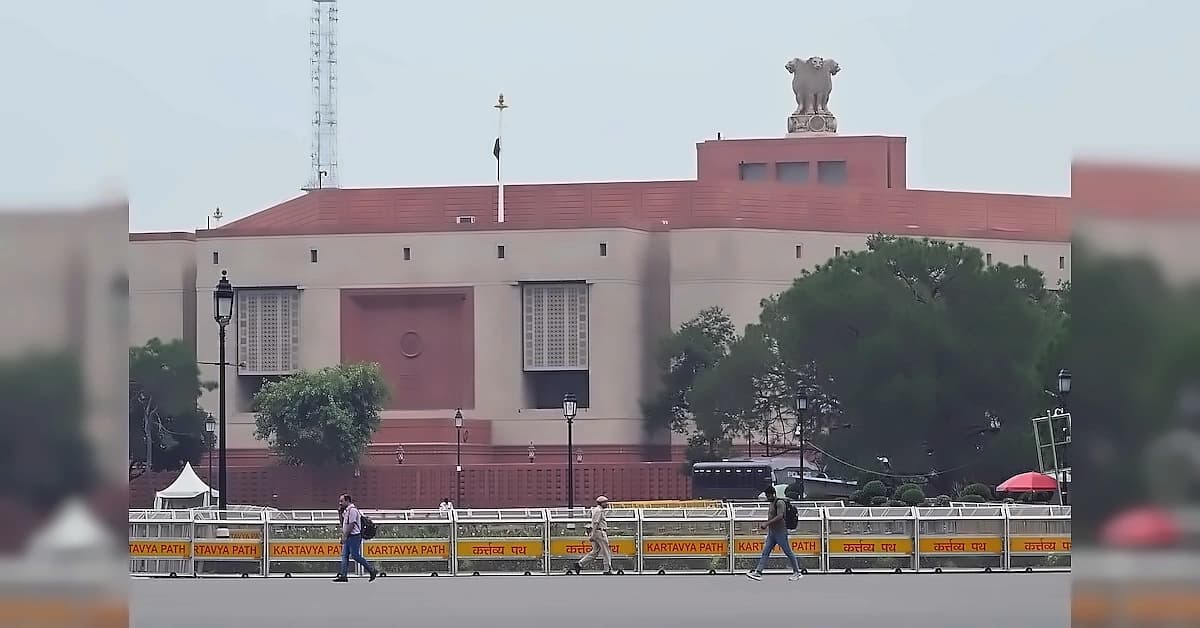
The Micro, Small and Medium Enterprises Development (Amendment) Bill, 2026 has now been cleared by Parliament after both Houses passed the legislation. The Lok Sabha passed the bill on Friday with Minister of MSME Jitan Ram Manjhi moving the legislation, following the Rajya Sabha's clearance on Monday, August 3, 2026. The legislation seeks to tackle the issue of delayed payments to MSMEs by prescribing timelines to ensure faster adjudication of disputes, provide recovery of the settlement agreement, and address their liquidity issues. As per Zee News, the bill was passed in the Lok Sabha amid protests by opposition members during Zero Hour, with the Lower House later being adjourned till Monday.
Despite the passage of the bill, opposition members continued with their protests in the Lok Sabha over various issues on Friday, disrupting the Zero Hour proceedings. According to Zee News, the House witnessed sustained sloganeering and protests from the Opposition over the recent students' agitation at Jantar Mantar, even as members debated the bill aimed at strengthening the MSME sector. Trouble began even before the discussion started, when Leader of Opposition Mallikarjuna Kharge was not permitted to speak, prompting the entire Opposition to press the Chair to allow him. Kharge asked whether the sky would fall if he was allowed to speak for five minutes, while Leader of the House J P Nadda said the MSME minister had already moved the bill and the discussion had begun on the bill. Congress MP Ajay Maken protested, saying it was 'unfortunate' that the LoP was being denied a chance to speak, while Parliamentary Affairs Minister Kiren Rijiju alleged that Maken was 'trying to lower the dignity of the House' despite being given several opportunities to speak. The disruption continued through the debate, with Opposition members repeatedly attempting to raise the issue of police action against students protesting at Jantar Mantar whenever called to speak on the bill, forcing Deputy Chairman Harivansh to intervene and ask them to confine themselves to the subject.
The proposed legislation includes empowering courts to order payment of at least 50% of the awarded amount to MSME suppliers if the application to set aside an order is pending for more than six months. According to the bill, the mediated settlement agreement or arbitral award may be recovered as an arrear of land revenue by the state government through the district collector or deputy commissioner or any such authority notified by the state where assets of the buyer are located. The bill also proposes that the amount determined as the mediated settlement or arbitral award shall constitute a valid and legally enforceable debt and is liable to be recognised under the provisions of the Insolvency and Bankruptcy Code, 2016. As per Zee News, the legislation makes it mandatory for Central Public Sector Enterprises to settle all procurement invoices through the Trade Receivables Discounting System to improve cash flows for MSMEs. The bill also shifts minor registration or reporting defaults from criminal convictions to graded administrative warnings and monetary fines starting from ₹1,000 up to ₹1,00,000. The legislation further provides for notifying a national digital platform for free and voluntary registration of micro, small and medium enterprises, enabling states to adopt similar mechanisms for their PSUs and facilitating the creation of additional MSME Facilitation Councils.
A significant provision mandates that all central public sector enterprises route the settlement of invoices through the Trade Receivables Discounting System for procurement of goods and services from MSMEs. The legislation also proposes to decriminalise offences regarding contravention of certain provisions, replacing conviction-based fines with graded penalties by including a warning at the first instance. The bill provides for notifying a national digital platform for free and voluntary registration of micro, small and medium enterprises. According to Zee News, the MSME Ministry is committed to making 'Champion MSMEs' and the proposed amendments aim to incentivise the growth of MSMEs, enable them to scale up and become champions of growth. The legislation also enables states to adopt similar mechanisms for their PSUs, facilitates the creation of additional MSME Facilitation Councils, and proposes measures to speed up the resolution of delayed payment disputes. Supporting the bill, Masthan Rao Yadav Beedha (TDP) and Naveen Chandra Vaddiraju (BRS) said it would further empower the sector, while Golla Baburao (YSRCP) sought a PLI scheme for MSMEs and M Thambidurai (AIADMK) urged financial and infrastructure support for states.

Union Minister Manjhi described the MSME sector as the backbone of the economy, which contributes significantly to the country's manufacturing and exports. According to PTI, he outlined that MSMEs contribute 31 per cent to India's GDP, 36 per cent to the country's manufacturing and 41 per cent to its exports. The minister revealed that the outstanding credit disbursed to MSMEs, which stood at ₹10 lakh crore in 2014-15, has today increased to over ₹38.35 lakh crore, denoting that the credit flow to MSMEs is rising steadily. After the passage of the bill, Leader of the House J P Nadda claimed that the Opposition members have not even supported the amendments moved by their party, while the MSME Ministry remains committed to making 'Champion MSMEs' and the government is committed to the development of the MSME sector. Santrupt Misra (BJD) sought better cash flow support, central agency assistance during formalisation, and coordinated GST and trade-discounting platforms for MSMEs, highlighting the sector's ongoing infrastructure needs. The bill further states that the MSME landscape has undergone a change due to technological advancements, emergence of information technology enabled systems and a changing legal landscape, which requires that the Act be amended to facilitate growth of micro, small and medium enterprises.