The Centre is planning to use new tools to enhance liquidity for micro, small and medium enterprises (MSMEs) and will move amendments to the MSME Development Act in the monsoon session of Parliament that begins on Monday. According to reports from The Times of India, the Cabinet has cleared several amendments to the law as it seeks to remove hurdles coming in the way of MSMEs, which are crucial contributors to the economy as major employers and significant players in exports. The Micro, Small and Medium Enterprises Development (Amendment) Bill, 2026, is expected to be closely watched by the industry as it seeks to align the MSME Development Act, 2006, with the changing MSME landscape, strengthen the mechanism for addressing delayed payments to micro and small enterprises, provide for enforcement of arbitral awards involving MSMEs, and introduce flexibility for states to decide the composition of Micro and Small Enterprises Facilitation Councils (MSEFCs). The Bill seeks to enhance the Ease of Doing Business and bring trust-based regulations in the MSME ecosystem, with the government aiming to improve access to dispute resolution, reduce pendency and ensure quicker disposal of payment-related cases.
The Bill proposes to provide greater flexibility to state governments in determining the composition of the Micro and Small Enterprises Facilitation Councils (MSEFCs), which adjudicate disputes relating to delayed payments. By enabling states to constitute more such councils based on local requirements, the government aims to improve access to dispute resolution, reduce pendency and ensure quicker disposal of payment-related cases. This represents a significant step toward modernising the MSME regulatory framework and strengthening institutional mechanisms to support the sector's growth and financial stability. The proposed changes address one of the MSME sector's longstanding concerns—delayed payments by buyers and aim to strengthen the institutional framework for resolving payment disputes involving micro and small enterprises.
The proposed changes are intended to improve cash flow and access to finance by introducing enabling legal provisions that support quicker resolution of payment-related issues. According to The Times of India, both these issues have been constant complaints of the sector, given that the sector works on low margins and depends on buyers to run their business profitably. The reforms are designed to address the liquidity challenges that MSMEs face in their operations, with a major focus on the persistent issue of delayed payments to micro and small enterprises.
The government plans to introduce the Income-tax (Amendment) Bill, 2026 in the upcoming Monsoon Session to replace the Income Tax (Amendment) Ordinance, 2026, which was promulgated last month to attract foreign capital. The ordinance was signed by President Droupadi Murmu and defines the Bank for International Settlements (BIS) as the international financial institution established in 1930 and headquartered in Basel, Switzerland. The gazette notification dated June 5 stated the Ordinance was necessary as Parliament was not in session and immediate action was required, invoking the President's ordinance-making powers under Article 123 of the Constitution. The Bill seeks to deepen India's sovereign debt market, attract stable global capital inflows, and enhance liquidity in view of the prevailing global macro-economic environment marked by significant volatility arising from geopolitical uncertainties, sharp increases in crude oil prices, and disruptions in global supply chains. Foreign investors are subject to a long-term capital gains tax of 12.5 per cent on listed shares and bonds held for more than 12 months, and pay a withholding tax of 20 per cent on interest earned on government bonds.
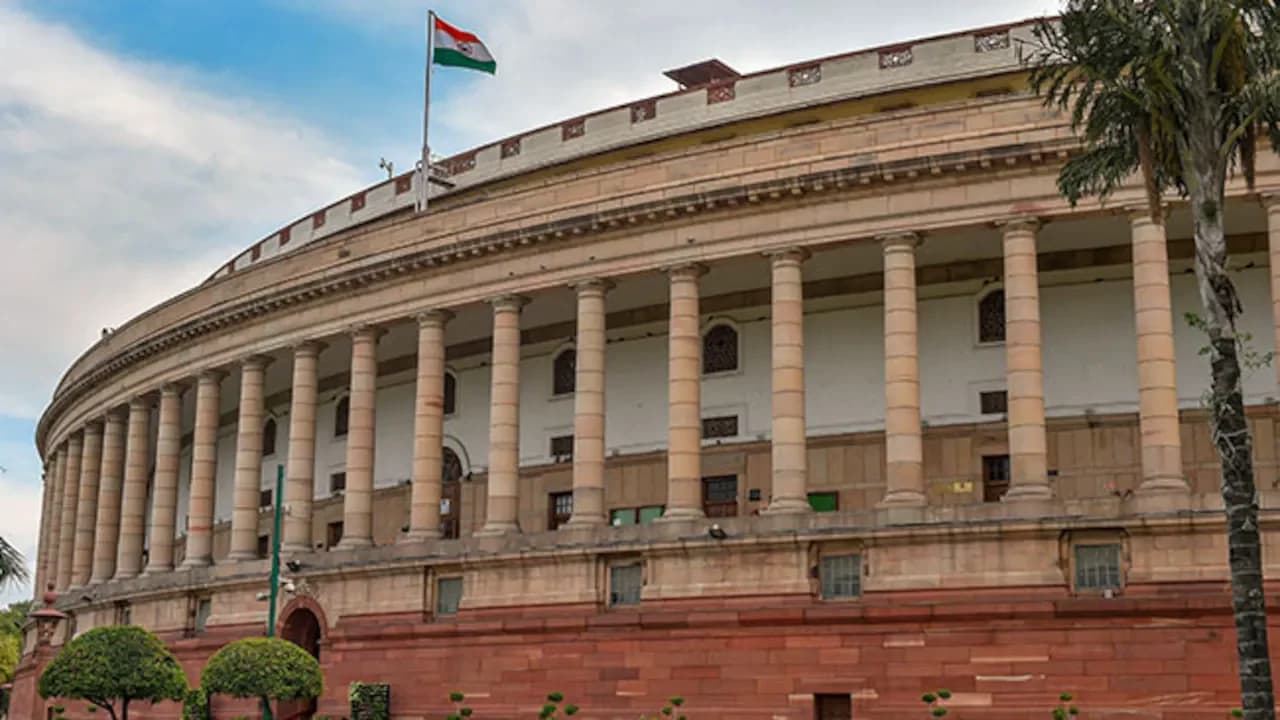
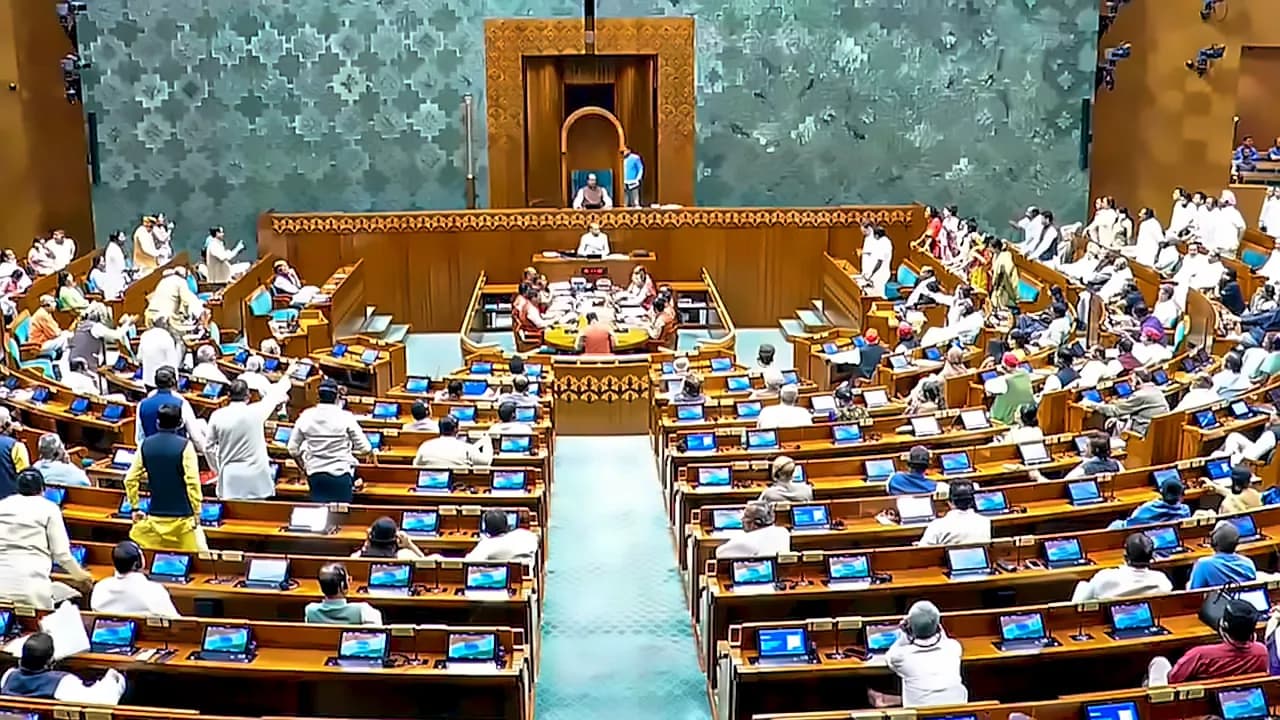
The government has proposed seven Bills for introduction in Parliament's Monsoon Session from July 20, including measures to amend the MSME Development Act and income-tax law. According to the tentative legislative agenda released by the Lok Sabha Secretariat, the session will end on August 13. Another key proposal is the Supreme Court (Number of Judges) Amendment Bill, 2026, which seeks to increase the sanctioned strength of judges in the apex court from the present 33 to 37, excluding the Chief Justice of India. The agenda also includes the Foreign Contribution (Regulation) Amendment Bill, 2026, which was introduced in the Lok Sabha on March 25, 2026, and the Viksit Bharat Shiksha Adhishthan Bill, 2025, after the Joint Committee of Parliament's report is presented to the House. As per political analysts, the tentative legislative agenda suggests the government is prioritising governance and institutional reforms alongside economic measures, with the proposed Bills spanning financial markets, MSMEs, judicial capacity and civil administration. The session will also see the presentation of Demands for Supplementary Grants for the year 2022-23 for discussion and voting in parliament.