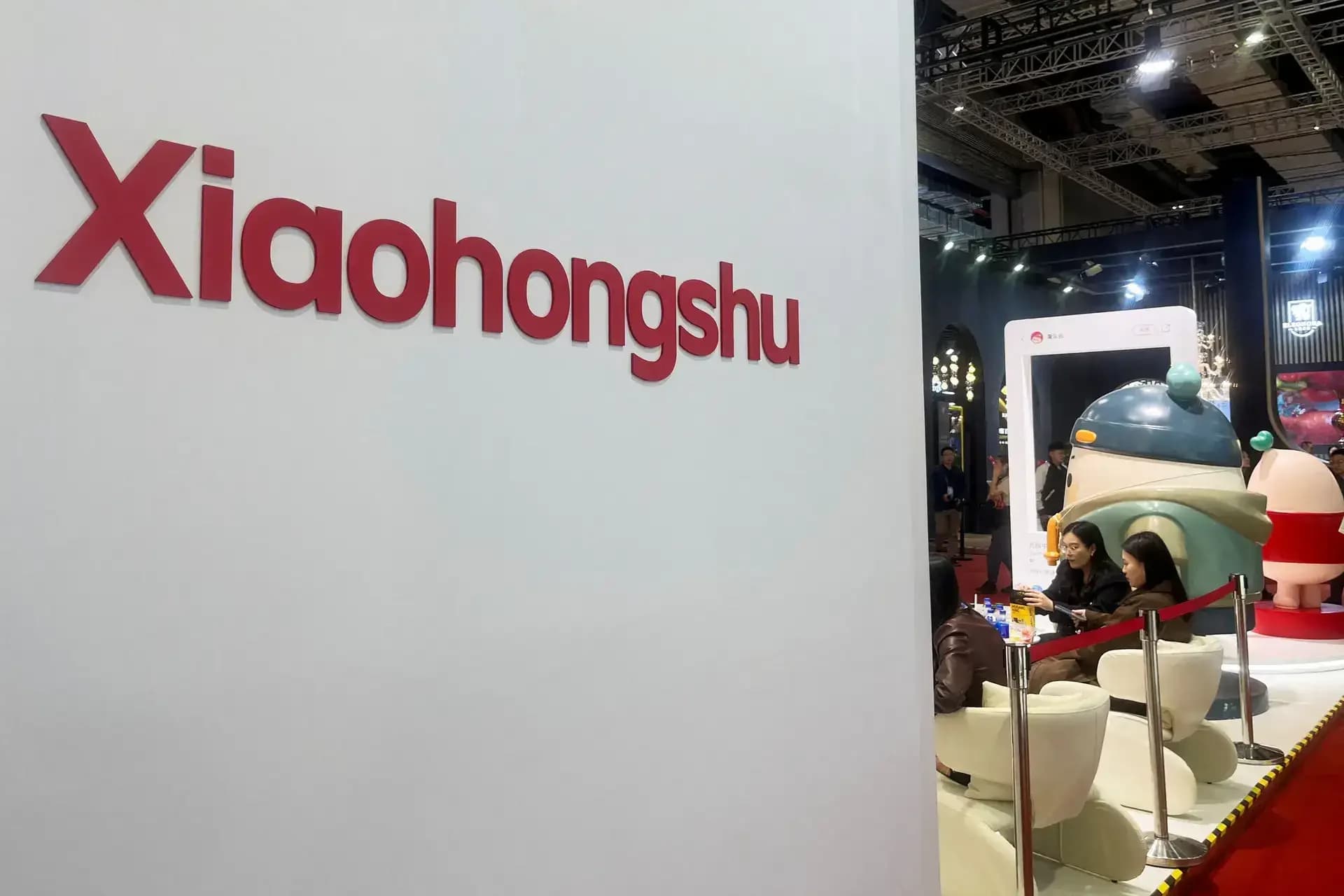
Chinese social media platform Xiaohongshu, known internationally as RedNote, is facing increased scrutiny over its potential Hong Kong listing plans after a former employee raised concerns about the company's corporate structure. According to reports from Reuters, the platform has reportedly hired advisers for a possible Hong Kong initial public offering, though the company has denied reports that it had confidentially filed for a listing in late June. The dispute centres on Xiaohongshu's use of a variable interest entity (VIE) structure, a model commonly adopted by Chinese technology companies seeking access to overseas capital markets. The case has broader implications as Chinese authorities are cracking down on offshore holding structures like VIEs, complicating foreign investor access and IPO prospects for Chinese tech firms in Hong Kong.
The dispute emerged after Xiaohongshu terminated advertising sales executive Chen Hao's employment. As reported by Reuters, Chen approached Hong Kong's stock exchange in June and later raised the issue through a social media post in July. Chen alleged inconsistencies in how Xiaohongshu describes the relationship between its domestic and offshore entities. Chen claimed the company argued that its mainland and offshore entities were separate, meaning the domestic business was not responsible for share options granted to him by the offshore entity. Chen argued this position appeared difficult to align with disclosures normally made by companies using VIE structures during listing processes, as an offshore holding company needs to demonstrate it exercises contractual control over a Chinese operating business. Chen added that any future disclosures related to the IPO should explain these interconnections, highlighting the longstanding ambiguity at the core of the VIE framework.
Under a VIE arrangement, foreign investors typically hold stakes in an offshore entity that controls a mainland Chinese operating company through contractual agreements rather than direct ownership. The structure has allowed several Chinese technology giants, including Alibaba, JD.com and NetEase, to list outside mainland China despite restrictions on foreign investment in certain sectors. However, worried about maintaining Chinese control of key companies, Chinese authorities have been cracking down on so-called red chip companies that want to use offshore holding firms to tap foreign capital. According to legal experts, the VIE framework is designed to achieve two conflicting purposes - satisfy regulators that the company is Chinese-controlled while convincing foreign investors they have invested in the controlling entity. While the Hong Kong stock exchange has traditionally relied on legal opinions affirming that VIE structures comply with Chinese law, Chen's complaint could complicate that practice, as experts note it's ambiguous because it's used to achieve two conflicting purposes.
The Xiaohongshu dispute comes amid broader market volatility affecting Chinese technology stocks. According to The Economic Times, Chinese stocks fell to a one-week low on Tuesday, led by a sharp selloff in technology and semiconductor shares as investors questioned AI-driven valuations. The CSI300 dropped 2.3% alongside declines in key tech indices, mirroring broader market anxiety across Asian markets over rising competition and heavy AI spending. South Korea's Kospi plunged more than 10% on Tuesday as a global semiconductor sell-off battered technology heavyweights, with SK Hynix tumbling 11% after its US-listed shares hit a record low, while Samsung Electronics fell over 9%, triggering market-wide trading curbs. The selloff reflects investor concerns about rising competition from China and weakness in chip stocks, further weighing on investor sentiment toward Chinese technology companies.
The Xiaohongshu dispute could increase scrutiny of how VIE structures are assessed in future listings, according to analysts cited by Reuters. Robin Huang, a law professor at the Chinese University of Hong Kong and author of a book on cross-border listing regulations, noted that the ambiguity surrounding VIE structures has been central to their use, as they attempt to balance two competing objectives. "It's ambiguous... It has to be ambiguous, because it's used to achieve two conflicting purposes," Huang explained. "No matter when Xiaohongshu attempts to IPO, this issue has to be dealt with... Previously, nobody made that (ambiguity) crystal clear, but this time, you made that clear; you put that on the table, now you cannot pretend not to see it." Chinese regulators have become increasingly cautious about offshore listing structures involving red chip companies, as Beijing seeks to maintain control over important technology businesses while managing foreign investment access. Analysts expect that regulatory oversight of VIEs and transparency of disclosure during future Hong Kong listings will strengthen, which could affect foreign investors' interest in Chinese tech giants and their attempts to go global.