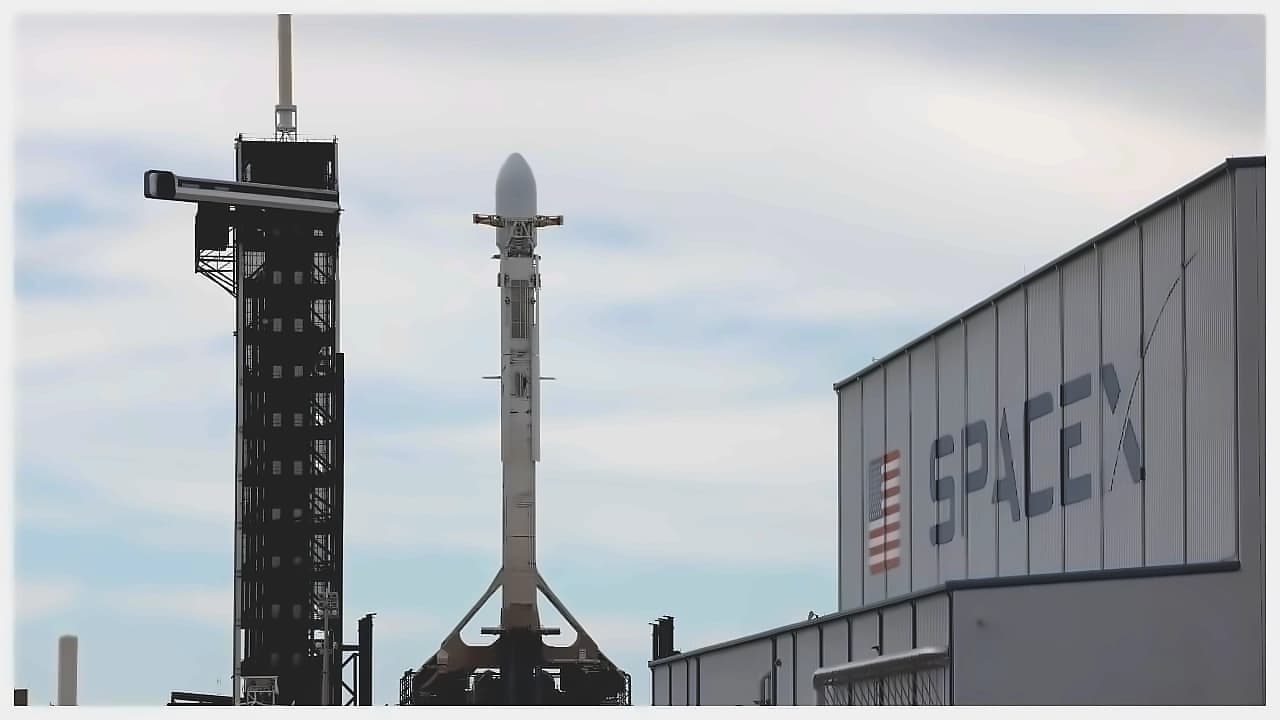
According to The Financial Express, SpaceX has officially filed its IPO prospectus with the US Securities and Exchange Commission, targeting a $1.75 trillion valuation that would make it the largest public offering in Wall Street history. The company is set to begin investor roadshows on June 4, 2026, with final share pricing expected around June 11 and trading potentially starting as early as June 12, 2026. Wall Street heavyweights including Goldman Sachs, Morgan Stanley, Bank of America, Citigroup and JPMorgan Chase are leading the underwriting process. The filing also reveals that SpaceX is likely to qualify for Nasdaq's fast-entry inclusion rules, which could see the company added to the Nasdaq-100 index within just 15 days of listing, creating billions of dollars of institutional demand through passive investment vehicles.
According to the latest Wall Street Journal report, SpaceX filed its IPO prospectus with the US Securities and Exchange Commission, revealing the company's $18.64 billion revenue for full-year 2025, representing a 33% year-over-year increase. However, the company reported a net loss of $4.94 billion for 2025, with first-quarter 2026 showing $4.69 billion revenue and $4.28 billion net loss. The IPO filing targets a $1.75 trillion valuation, which would make it the largest public offering in Wall Street history and potentially push founder Elon Musk's net worth above $1 trillion when combined with his Tesla holdings. At this valuation, Musk's existing stake would be worth an estimated $735 billion before the Mars colonization bonus is unlocked.
According to reports from The Economic Times, SpaceX's blockbuster IPO filing includes a unique bonus provision for founder Elon Musk that requires one million humans to settle on Mars. The bonus is contingent on SpaceX's stock market value reaching targets ranging from $400 billion to $6 trillion, along with the company successfully moving a million people to the planet 140 million miles away. Musk's latest compensation package consists of two astronomical option bets with no expiration date, directly tied to Mars and AI infrastructure: the Mars colonization plan unlocks when SpaceX's market capitalization reaches $7.5 trillion, while the orbital data center solution is unlocked when the company's market capitalization reaches $6.6 trillion. In addition to his $54,000 base salary, Musk will receive nothing unless these technical and market capitalization milestones are achieved.
As reported by Wall Street Journal, Musk holds 85.1% of the company's voting power through a dual-class share structure, with public investors buying Class A shares carrying one vote each while Musk's Class B shares hold ten votes per share. No individual or institution other than Musk holds more than 5% of the shares, with private equity firm Valor Entities holding 7.3% of the common shares, making it the second-largest shareholder. The company's board of directors has been publicly disclosed for the first time, with Musk serving as chairman, and President and COO Gwynne Shotwell, CFO Bret Johnsen, several venture capitalists, and private equity executives also joining the board, including Google executive Donald Harrison. Notably, SpaceX's board members are closely tied to Elon Musk's business network, involving companies like Tesla, Google, and PayPal, creating an influential network of advisors across Musk's various ventures.
According to the prospectus, SpaceX has divided its operations into three segments: space, connectivity, and AI, with markedly different financial performances. The connectivity segment, centered on Starlink's satellite internet service, is currently the company's only profitable business, generating $3.26 billion in revenue in Q1 2026, accounting for 69% of total revenue, with an operating profit of $1.19 billion. As of the prospectus disclosure, Starlink's global user base has reached 10.3 million, doubling from 5 million a year ago. However, the space sector reported an operating loss of $619 million in Q1, while the AI segment incurred an operating loss of $2.5 billion, becoming the largest factor dragging down overall profitability. AI-related capital expenditures reached $7.7 billion in Q1, accounting for over 75% of the company's total capital spending of $10.1 billion. The filing reveals significant strategic partnerships, including a $40 billion compute agreement with Anthropic running through 2029 at $1.25 billion per month, and plans to acquire code editing tool startup Cursor for $60 billion in stock.
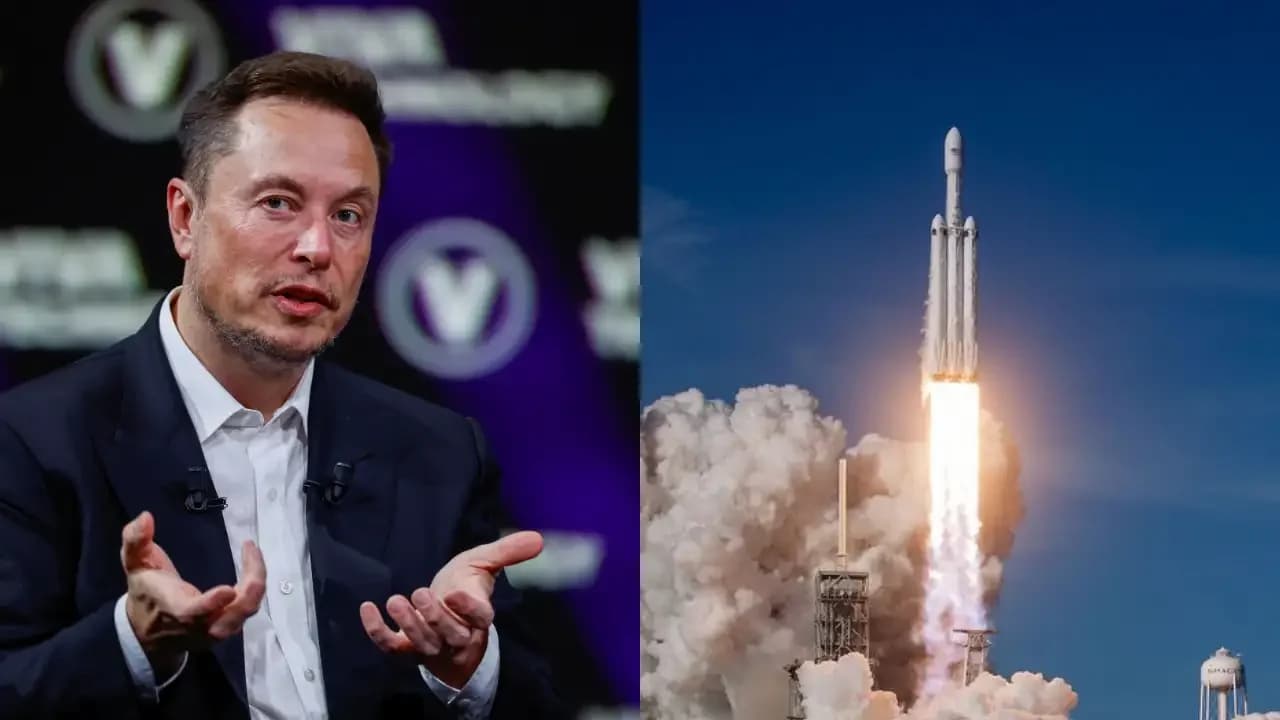
The SpaceX IPO is expected to have far-reaching implications for the technology and space markets, potentially reopening the floodgates for delayed mega technology listings after years of muted activity. Companies such as OpenAI and Anthropic are already being discussed as possible future candidates for large public offerings. The listing is expected to influence valuations across listed space and artificial intelligence companies globally, with investors closely watching how the market values SpaceX's mix of satellite internet, launch systems and artificial intelligence infrastructure. The company's strategic shift toward artificial intelligence infrastructure, following its merger with xAI earlier this year, positions SpaceX as an AI infrastructure company alongside its space business, with plans for orbital data centers, advanced computing infrastructure and AI chip manufacturing partnerships tied to the wider Musk business ecosystem.