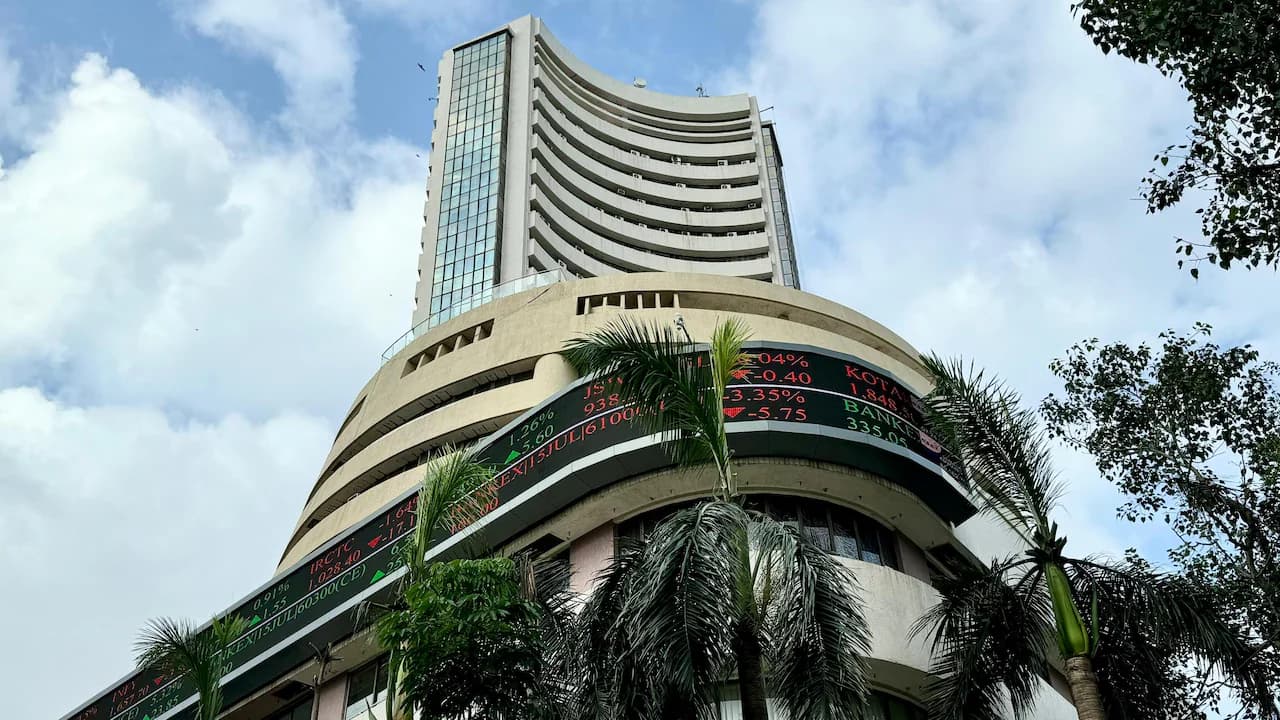
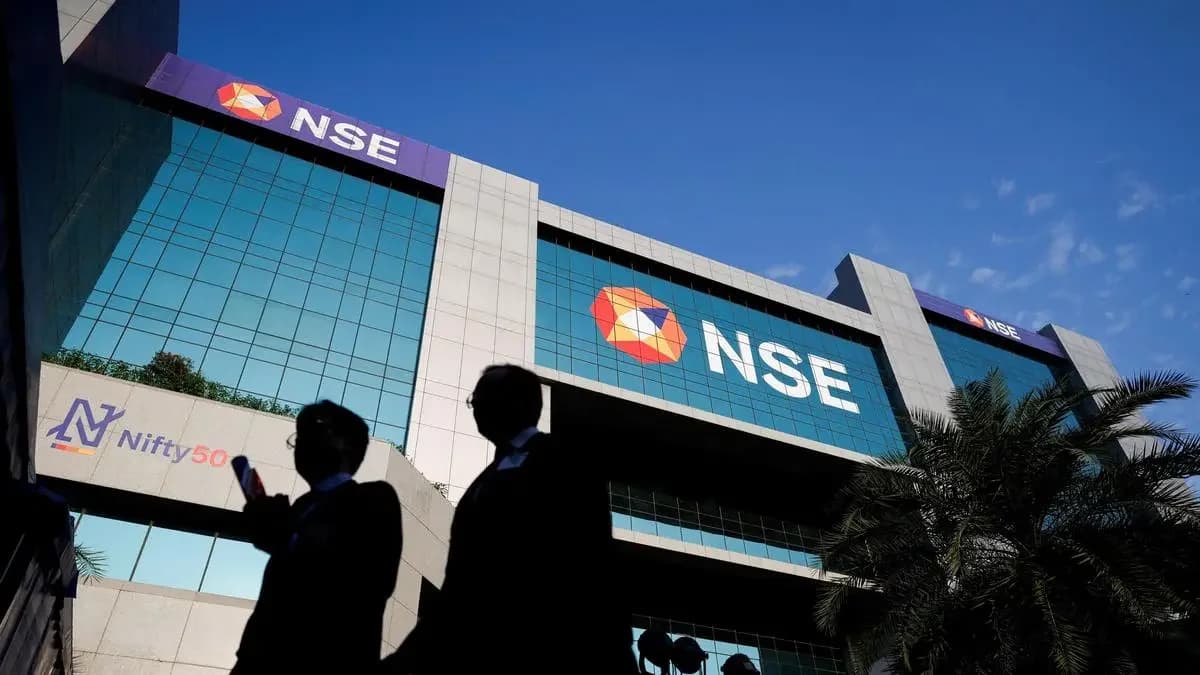
NSE shares gained up to 5% on their debut day, surging from the opening price of ₹1,800 per share to ₹1,878 on Thursday, September 24. The shares listed at a 0.84% premium over the issue price of ₹1,785 per share, with the stock trading at ₹1,800 per share by mid-morning before climbing significantly higher. According to Moneycontrol, the post-listing surge came after a muted market debut, with the stock rallying over 4% to its day's high of ₹1,878 per share. The listing has positioned NSE as India's ninth-most valued company with a market cap of ₹4.56 lakh crore, leaving behind established names like Hindustan Unilever and Sun Pharmaceuticals. The strong debut performance contrasts with earlier grey market expectations of only 2-3% gains, indicating positive investor sentiment toward the exchange's market debut.
Global brokerage firm PL Capital has initiated coverage on National Stock Exchange with an 'Accumulate' rating and a price target of ₹1,950 per share, representing an upside from current trading levels. As reported by NDTV Profit, the target price is based on 35x FY29E P/E multiple, implying the valuation largely captures the premium. The brokerage expects valuation to sustain at these levels, supported by structural factors such as near-dominance in key segments with high entry barriers, healthy profit growth (11% CAGR over FY26-29E), and optionality from new derivative products/colocation revenue. PL Capital noted that NSE dominates the exchange landscape with over ~93% share in cash market and ~100% in stock and index futures (YTDFY27), supported by strong liquidity, robust technology and comprehensive product suite. The brokerage expects EBITDA margin to recover to 76% by FY29E vs 71% in FY26 as one-offs get adjusted, with FY29E RoE at 35% supported by NSE's capital-light, high-margin business model.
The ₹22,569 crore NSE IPO was subscribed 5.71 times during the three-day bidding period that ended September 21. According to Moneycontrol, the ₹226 billion-rupee offering was priced at ₹1,785 per share, the upper end of the ₹1,700 to ₹1,785 price band. Major institutional investors including Life Insurance Corp. of India, Norges Bank Investment Management, ICICI Prudential Asset Management Co., Quant Mutual Fund and Mirae Asset Mutual Fund were among the top bidders. The stock is valued at 22x FY29E EV/EBITDA and 29.5x FY29E P/E at its 'cap price' of the prospectus price band, reflecting its marquee positioning in the ecosystem. Dr Ravi Singh from Master Capital Services reported that NSE maintained leading market shares in fiscal 2026, including 92.99% in cash market, 99.79% in equity futures, 74.71% in equity options, 99.48% in currency futures and 100% in currency options. He projected strong growth across segments, with the cash market expected to grow at 14-16% CAGR to ₹473-507 trillion by FY2030, while equity futures and equity options turnover are expected to grow at 16-18% and 9-11% CAGR respectively.
According to NDTV Profit, key risks include high dependence on trading activity, concentration risk, regulatory overhang on derivatives segment, and impact of RBI norms on leverage. A significant portion of revenue is linked to trading volumes, making the business inherently cyclical, while the top 5/10 trading members contribute to 32%/47% of operating revenue. Regulatory measures such as CAS, restrictions on weekly expiries, and higher margin requirements have dampened retail participation and overall trading activity. Revised RBI norms effective July 2026 will tighten collateral requirements for broker funding and proprietary trading, potentially moderating prop-driven activity. Additionally, technology infrastructure and cybersecurity risks pose ongoing challenges, with any system outages or cyberattacks potentially disrupting trading and damaging reputation.