The National Stock Exchange of India's ₹22,561 crore IPO officially opened today (September 17), marking the largest IPO in Indian history by valuation. As reported by GoodReturns, the price band was fixed at ₹1,700 to ₹1,785 per share at a press conference in Bengaluru, with the exchange valued at approximately ₹4.42 lakh crore at the top of the band. The public issue runs from September 17 to September 21, with shares expected to list on BSE around September 24. The grey market has already shown strong confidence, with NSE IPO shares trading at a premium of ₹169 per share at ₹1,954 in the grey market, significantly above the IPO price ceiling. According to GoodReturns, Sujay Kamath, MD & Head of ECM Syndication at 360 ONE, noted that 'This is itself a scale of what we are about to launch. Since its incorporation in November 1992, NSE has been central to democratizing access to Indian financial markets, which is visible from the growth of its unique investor base.'
The IPO size was reduced from the originally planned ₹31,500 crore to ₹22,561 crore due to shareholders trimming their proposed stake sales. As reported by GoodReturns, Sriram Krishnan, Chief Business Development Officer at NSE, explained that 'The discussion began when we requested some of the larger shareholders to consider offering. Now, even at that time when we approached some of the larger shareholders, nobody was willing to sell NSE.' NSE shareholders reduced 15% of their proposed stake sales, from 14.89 crore shares down to 12.64 crore. Major cuts were seen from State Bank of India that reduced its proposed sale from 1% to 0.7%, while MS Strategic cut its planned sale by 31%. Other reductions came from General Insurance Corporation of India (GIC), Bank of Baroda, and other public-sector insurers. The issue comprises only an offer for sale of up to 12.64 crore equity shares by 10 existing shareholders, with NSE itself not receiving any proceeds from the offering.
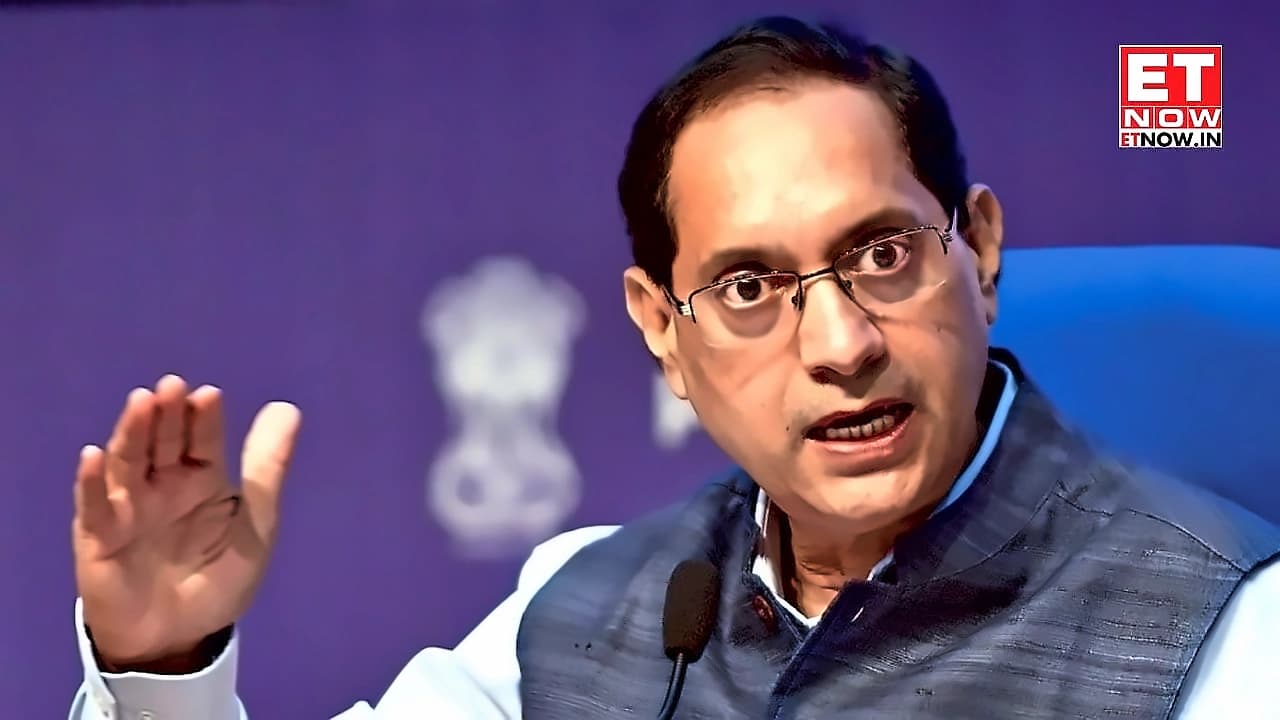
NSE anchor book demand has been 'unexpectedly large' ahead of its much-awaited IPO, with Managing Director and CEO Ashishkumar Chauhan confirming the strong institutional appetite for the offering. As reported by The Financial Express, Chauhan stated that 'anchor book is pretty large, much more than we thought it would be' during a press conference, with interest significantly exceeding the shares available for allocation. The anchor book is expected to be around ₹6,250 crore, lower than the earlier estimated ₹9,000 crore, with the final investor line-up still being worked out. Sriram Krishnan, CBDO at NSE, confirmed that 'there is a very strong confidence in the number of actual applications that we will see. We will notice a huge number of strong investors, both domestic and institutional.' The anchor book, initially pegged at around ₹9,000 crore, settled at just over ₹6,000 crore, with Goldman Sachs Asset Management, Franklin Templeton, and Fidelity International among the global investors expected to participate.
NSE remains India's largest stock exchange by turnover with 68% share of equity cash volumes and holds the largest multi-asset class exchange globally by number of trades in cash equities and futures combined. As reported by GoodReturns, Sujay Kamath, MD & Head of ECM Syndication at 360 ONE, noted that 'NSE holds 100% market share in both index futures and stock futures, and 100% in stock options as well, according to the official figures.' In index options, NSE's share sits between 70% and 72%, varying by period. NSE's income from weekly options accounts for around 42% of total revenue, while the remaining 58% comes from equities, equity futures, monthly equity options, data services, colocation services and index services. The exchange is also expanding its GIFT City subsidiary operations, with SGX Nifty trading as GIFT Nifty showing significant success - more than $5 billion worth of futures are traded every day on average with open interest in the range of $20-25 billion.
India's largest exchange has no promoter or promoter group, with ownership divided among over 2 lakh trading members and public shareholders. According to GoodReturns, Life Insurance Corporation of India (LIC) holds 10.72% stake (26.5275 crore shares), while Aranda Investments (Mauritius) Pte Ltd holds 4.54% (11.2463 crore). Public shareholders hold 64.44% of the company, while non-promoter, non-public shareholders hold 35.56%, consisting entirely of trading members and their associates. In total, 2,17,633 shareholders hold 247.50 crore equity shares. The exchange covers almost 99% of all India's pin codes and reaches across 1,400 cities, with NSE's unique investor base showing staggering growth of 26% year-on-year. NSE's consolidated revenue from operations rose 9% year-on-year to ₹4,560 crore in the quarter ended June 2026, while net profit increased to ₹3,121 crore from ₹2,811 crore a year earlier.