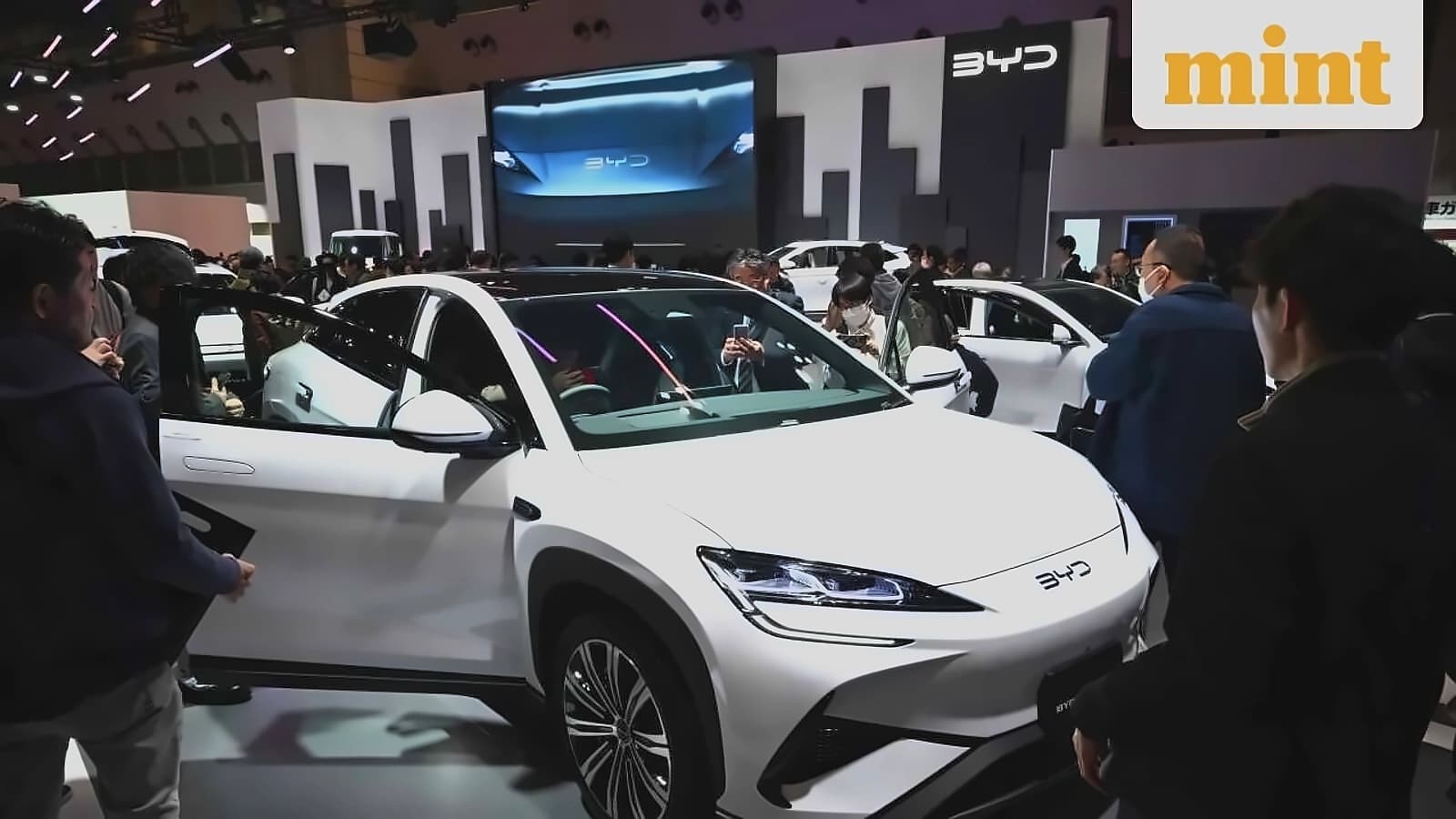
Global automakers are confronting an unprecedented challenge as Chinese companies continue to gain ground in electric vehicle production and technology. According to The BBC, visits to factories in Beijing and Hefei during Auto China 2026 revealed highly automated production facilities and software development capabilities that many traditional automakers struggle to match. Honda CEO Toshihiro Mibe told Japanese media after touring an advanced manufacturing plant in Shanghai that his company had 'no chance against this.' Ford CEO Jim Farley has warned that Western automakers are now 'in a fight for our lives' as Chinese competitors rapidly expand their global footprint. The challenge extends beyond vehicle production to batteries, software, artificial intelligence, and next-generation mobility technologies, with China now leading global exports in more than 315 product categories, nearly double the number from a decade ago.
The automotive parts sector is experiencing unprecedented consolidation as companies seek control over technology and global footprints. According to Economic Information News, 67 listed automotive companies had announced M&A plans by June 12, with parts suppliers forming the bulk of this wave. The focus is tightly locked on securing technology and expanding global footprints, with acquirers overwhelmingly seeking controlling stakes rather than minority investments. Notable deals include Bethel's acquisition of a 50.97% stake in Yubei Steering for approximately 1.12 billion yuan, and Tianqimo's purchase of a 60% stake in Dongshi Shares for 1.83 billion yuan. The underlying logic is trading cash for control to secure long-term industrial returns, as companies recognize that investments without control offer little leverage over technology, clients, or positioning.
The U.S. electric vehicle market is showing signs of recovery despite ongoing challenges, with more than 85,000 EVs sold in May 2026 marking the strongest result since the end of the $7,500 federal EV tax credit. According to Kelley Blue Book data, the industry's average transaction price (ATP) for new EVs fell to $54,532 in May, representing a 4% decline year-over-year and marking the 11th consecutive month of year-over-year declines. This recovery comes as automakers continue to bring down vital costs despite rising demand, with many consolidating platforms, building scale, and advancing battery technology. However, incentives to help drive EV sales remain roughly twice the amount for EVs compared to new gasoline vehicles, with automakers spending approximately 14% of an EV's ATP on incentives, equating to roughly $7,600 per vehicle.
The European electric vehicle market has achieved a significant milestone, with nearly one in four cars sold being fully electric in May 2026. According to E-Mobility Europe, 212,387 EVs were registered during the month, representing a 34% year-over-year increase. Seven out of the top 10 EVs sold so far in 2026 are by European brands, with automakers reporting rising demand as order books fill up. Italy led the growth with EV registrations up over 100% year-to-date to an almost 9% market share, credited to an EV incentive program approved last year. France reached 29% market share as it doubled down on electrification to address energy insecurity and oil dependence, while Germany hit 25% EV registrations in May. The trade association notes that consumers and governments are responding to Europe's energy security challenge, with every new electric car sold cutting fuel costs and permanently reducing oil imports.
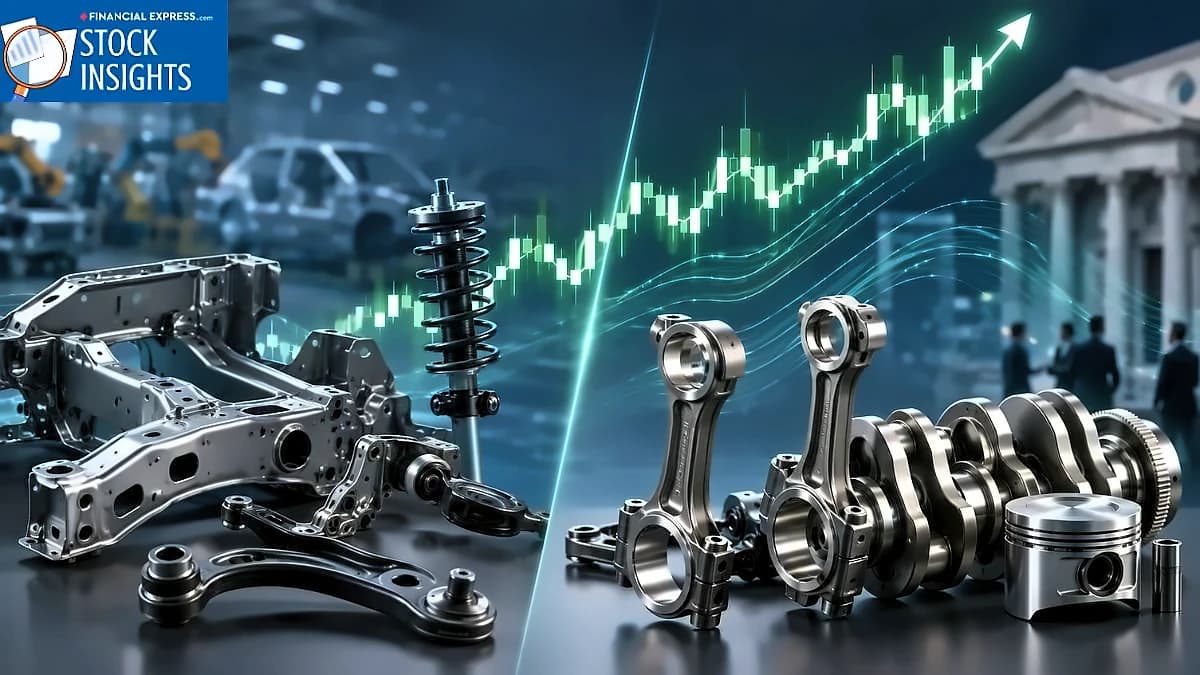
Two lesser-known automotive suppliers delivered over 100% returns with steady growth, low debt, and stable margins, outperforming the broader market despite operating quietly behind major EV makers. According to reports from The Financial Express, both companies are relatively unknown names that rarely trend, focusing on metal, machining and steady order books rather than glossy launches. The whole Auto Parts and Equipment group rose about 29% over the year, while these two suppliers roughly doubled their returns. However, the sector faces significant profit pressure, with Roland Berger analysts noting that gross margins for A-share auto parts companies fell to roughly 18.5% in 2025, slipping another 0.5 percentage points from 2024.
China's competitive advantage stems from substantial government investment and operational efficiency. The International Energy Agency estimates that producing a small electric SUV in China is at least 30% cheaper than in many advanced economies, with lower battery costs and highly integrated supply chains creating substantial cost advantages. According to Rhodium Group, China has invested tens of billions of dollars into EV and battery manufacturing, allowing companies to rapidly expand production and aggressively lower prices. Chinese companies are gaining another advantage through software integration, with features such as driver assistance systems, digital ecosystems, and entertainment platforms becoming central to the ownership experience. At Xiaomi's EV factory outside Beijing, a vehicle rolls off the production line approximately every 76 seconds, while Nio's manufacturing facility in Hefei features significant portions of production that are almost entirely automated.
The M&A wave reflects the industry's response to technological shifts, with vehicle electronic and electrical architectures evolving from distributed control to centralized domain control. As reported by Economic Information News, the shift toward electrification and intelligence has outpaced expectations, making in-house R&D time-consuming and risky. Companies are acquiring controlling stakes to secure core technology rather than developing it from scratch. Meili Technology's acquisition of 100% of Hitched Holdings 3 B.V. in March provides a European production base, creating a global network spanning China, Europe, and Mexico. The common thread among acquisitions is clear synergy paths, with companies like Lingdian Electronic Control spending 240 million yuan for a 30% stake in Anhui Ruineng to enter the battery management system space.
Both companies trade at premium valuations above industry medians, with Belrise at 44x PE and Sansera at 55x PE, compared to the industry median of 28x. According to The Financial Express, while both companies show disciplined operations with stable margins and falling debt, they face challenges including heavy acquisitions and EV transition risks. The analysis suggests that while these suppliers have delivered impressive returns, investors should consider whether current valuations leave room for continued business delivery before making investment decisions. The M&A wave represents a fundamental shift from minority stakes to controlling positions, as companies recognize that strategic value lies not in sharing profits but in controlling resources for R&D, product portfolios, and supply chain alignment. Global partnerships are evolving rapidly, with Stellantis recently signing a €1 billion agreement with state-owned Dongfeng and Volkswagen investing $700 million to gain access to XPeng's software architecture and autonomous driving technology.