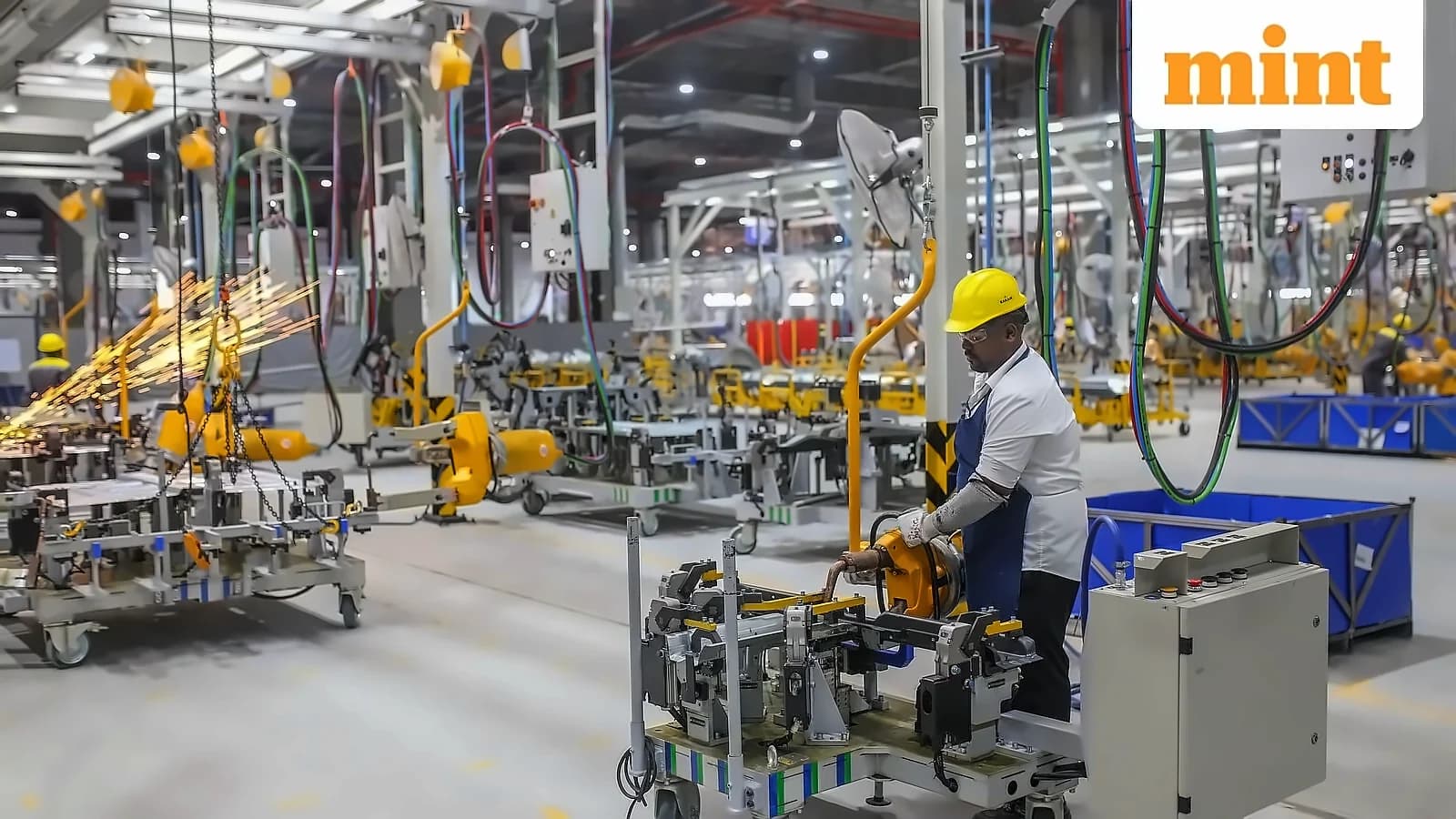
India's largest auto parts maker, Samvardhana Motherson International Ltd (SAMIL), is positioning itself to capitalize on the global expansion of Chinese automakers beyond mainland China. According to reports from Mint, Motherson's management indicated the company is well positioned to support Chinese companies as they establish factories in markets such as Europe, Southeast Asia and Latin America. The company's major business inside China has been supporting international non-Chinese carmakers, but it is now ready to serve Chinese companies as they expand globally.
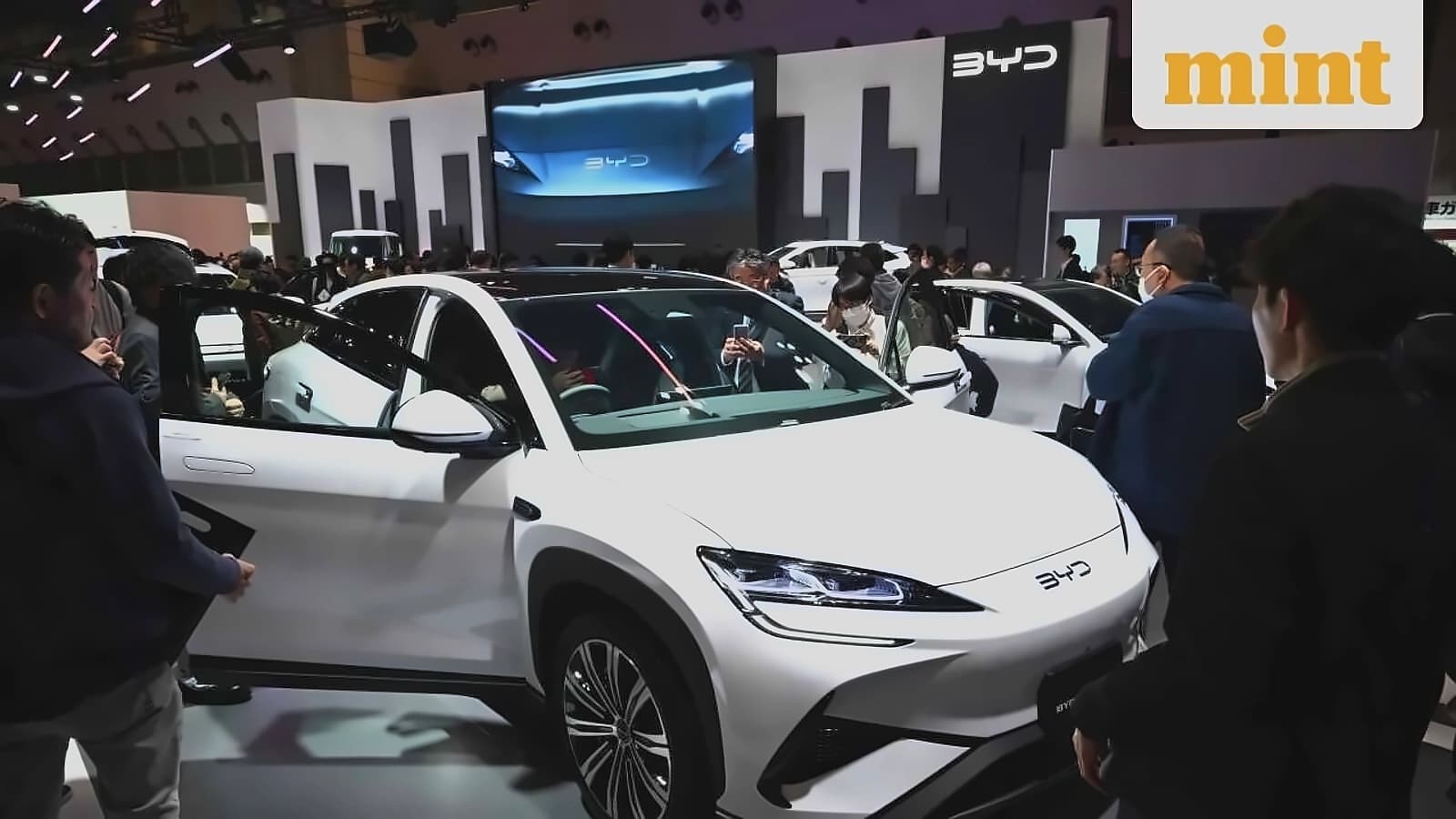
Chinese automakers are accelerating their global expansion while Western carmakers scale back their electric-vehicle plans. As reported by Mint, BYD Co. Ltd is setting up a plant in Hungary with plans to start operations this year, while also establishing a plant in Brazil in 2025. Other carmakers such as Chongqing Changan and Xpeng are exploring the establishment of plants in Europe or have already begun assembling models. Chinese carmakers are exploring localization in the region as imports from China come under scrutiny from regulators and governments.
The global expansion opportunity is significant given the scale of Chinese automotive markets and the growing demand for electric motors worldwide. According to data from Benchmark Mineral Intelligence (BMI), China saw 12.9 million EV sales in 2025, up 20% from the previous year, while Europe totalled 4.3 million, up 33%. North America recorded 1.8 million EV sales, a 4% decline. The global automotive electric motor market was valued at US$121.25 billion in 2025 and is projected to reach US$188.93 billion by 2033, growing at a CAGR of 5.7% from 2026 to 2033. Asia-Pacific accounted for approximately 58.4% of global automotive electric motor demand in 2025, with China dominating regional manufacturing through its vertically integrated EV ecosystem spanning motors, batteries, inverters, magnets, and power electronics.
Chinese technology supplier ECARX is demonstrating the practical execution of global expansion strategies, with management outlining specific timelines and partnerships. According to Investing.com, Volkswagen Group's Global Entry Infotainment Program is expected to begin production in Q3 or Q4 2024, with Latin America as the first launch region followed by Europe in 2025 and India targeted for 2029-2030. The company has established partnerships with major automakers including Volkswagen, Mercedes-Benz, Renault, and Volvo, leveraging its global footprint and Chinese market expertise to serve both Chinese and non-Chinese automakers in international markets.
The trend is creating indirect opportunities for global supplier units based in India. As reported by Mint, Tenneco Clean Air India, the local arm of US-based Tenneco, said its European sister firm's increasing engagement with Chinese players could open possibilities for working on certain parts for the Indian unit. Arvind Chandra, chief executive at Tenneco Clean Air India, noted that the company can gain if Chinese carmakers increase their engagement with sister companies in Europe and other regions where they will expand. The competitive shift is moving toward integrated platforms, rare-earth independence, and supply-chain control, with companies investing in proprietary motor-control software and alternative-material platforms to differentiate beyond hardware pricing.