India's defence sector has undergone a dramatic transformation, with production crossing ₹1.78 trillion in FY26, more than double what it was five years ago. According to reports from Equitymaster.com, exports have surged from a modest ₹686 crore a decade ago to over ₹23,000 crore, with New Delhi targeting ₹50,000 crore by FY29. This shift represents a fundamental change from India's traditional role as the world's largest arms importer to becoming a global defence exporter with structural demand drivers. The Nifty Defence Index has surged over 20% in 2026, reflecting strong investor confidence in the sector's growth trajectory.
Five defence companies have been selected based on exceptional financial performance and growth trajectories. As reported by Equitymaster.com, these companies have demonstrated consistent growth with sales and profits growing every year for the past three years, return ratios exceeding 20%, debt-to-equity ratios below 1x, and dividend payments. The companies include Bharat Electronics Ltd with a robust order book exceeding ₹70,000 crore, Garden Reach Shipbuilders with 43% sales CAGR over three years, Krishna Defence showing 93% net profit CAGR, Mazagon Dock Shipbuilders with ₹20,530 crore order book, and Solar Industries expanding into aerospace and space sectors. Motilal Oswal continues to maintain Bharat Electronics as its top defence pick, currently trading at around 37 times two-year forward earnings, while analysts also favor Hindustan Aeronautics (HAL), Bharat Dynamics (BDL), Data Patterns (India), Zen Technologies, and AXISCADES Technologies.
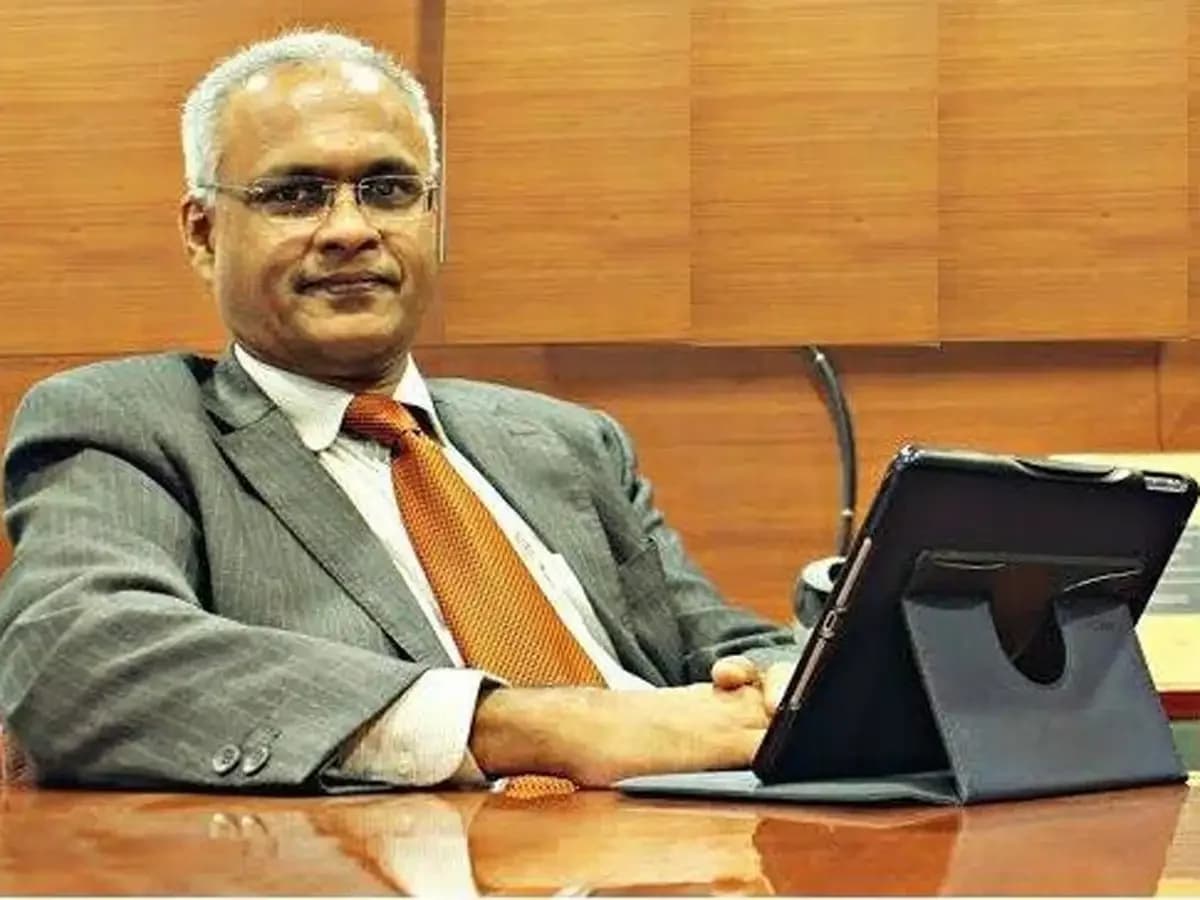
The defence export story is gaining momentum with India targeting ₹50,000 crore in defence exports by FY29. According to Elara Securities analyst Harshit Kapadia, the government has set an ambitious target of around $5 billion in defence exports, and he expects exports to keep rising over the coming years. A significant development is the growing defence cooperation between India and the UAE, with recent geopolitical developments adding urgency to these talks. Kapadia believes this collaboration could improve global confidence in Indian-made defence equipment and make overseas buyers more comfortable with Indian products. Motilal Oswal expects demand to increase for drones, anti-drone systems, electronic warfare solutions and air defence platforms, with many orders potentially materialising during FY27 supported by healthy order books and a pipeline of large contracts.
The defence sector benefits from multiple structural tailwinds including indigenisation mandates, geopolitical tensions, and global rearmament trends. According to Elara Securities, analysts believe global defence spending has entered a structural growth phase, with all countries increasing their defence expenditure. India's navy is targeting 175-200 warships by 2035 with a record defence budget of ₹7.85 trillion in FY27. Companies are expanding capacity through modernisation projects and new facilities, with Garden Reach planning to increase shipbuilding capacity from 28 to 32 platforms and Solar Industries establishing a ₹12,700 crore investment project in Nagpur. The focus is gradually shifting beyond India's own defence procurement towards export opportunities, especially after recent geopolitical developments.
While the defence transformation story appears compelling, valuations have moved higher with concerns over current pricing levels. As noted by Elara Securities, PSUs are trading at 30-40 times earnings while private sector stocks are at 40-50 times, making valuations expensive after the recent rally. However, analysts believe the long-term story remains evolving driven by rising global defence spending and increasing exports. Elara Securities suggests investors should 'buy the dips' rather than expecting sharp corrections purely due to pricing, with any earnings-related correction potentially creating opportunities for long-term investors. The focus is shifting from whether defence spending will rise to which companies are best positioned to convert that spending into long-term order inflows and execution capabilities.