The Tata Trusts-Tata Sons dispute has triggered widespread alarm across India Inc, with strategic investors and company owners conducting urgent reviews of their shareholder agreements. Rajesh Narain Gupta, chairman of law firm SNG & Partners, confirmed receiving multiple queries from business families and founders regarding management versus ownership debates. According to CNBC TV18, a Delhi-based M&A lawyer reported that an Indian manufacturer and its European joint-venture partner called a halt to signing a shareholder agreement, citing the Tata dispute and requesting extra safeguards. Parag Bhide from Aquilaw noted that strategic investors and private equity funds with veto rights are checking if they can be diluted if boards interpret governance frameworks differently. The current dispute has raised a sense of insecurity and fear among owners, as companies across manufacturing, steel, and textiles sectors reassess their protection mechanisms.
Tata Sons has formally rebuffed Noel Tata's objections to N Chandrasekaran's reappointment as chairman, backing the September 17 board decision with legal opinions from three lawyers - senior advocate Sudipto Sarkar, former Chief Justice of India Uday Lalit, and former Supreme Court judge B N Srikrishna. According to The Times of India, the company said the vote was validly carried by a majority of the board and complies with its Articles of Association. The letter comes after a week of public statements and interviews from both sides over Chandrasekaran's reappointment for another five-year term, with the dispute developing into the most significant internal crisis in recent years for the 158-year-old Tata group. Tata Sons has told the Tata Trusts' chairman Noel Tata that its decision to reappoint N Chandrasekaran as chairman was legally valid and consistent with the company's internal governance framework.
The escalating Tata Trusts-Tata Sons confrontation over N Chandrasekaran's reappointment has intensified with conflicting legal opinions from senior judges. Tata Sons has sent three legal opinions to back the validity of its board decision to reappoint N Chandrasekaran as executive chairman for another five-year term. According to ET Now reports, the opinions centre on the interpretation of Tata Sons' Articles of Association (AoA), particularly with the provisions of Article 121 which deals with voting requirements and the chairman's casting vote, and Article 118 which deals with the selection of a chairman. Justice B N Srikrishna has backed Tata Sons' interpretation, stating that the situation involving the two directors appointed under Article 104(B) resulted in a deadlock, bringing the latter portion of Article 121 into operation. Justice U U Lalit has also supported the validity of the September 17 resolution, noting that of the five board members who voted on the proposal, four except Noel Tata voted in favour of Chandrasekaran's chairmanship. Senior advocate Sudipto Sarkar's opinion, obtained before the September 17 meeting, supported the use of casting vote in circumstances involving equality of votes among directors appointed pursuant to Article 104(B).
The board meeting on September 17, 2026, followed specific procedural steps that have become central to the legal dispute. Chandrasekaran recused himself from the discussion on his reappointment, with independent director Harish Manwani presiding over the agenda. The board had approved Chandrasekaran's reappointment despite Noel Tata voting against the proposal, while Venu Srinivasan, the other Tata Trusts nominee director, voted in favour. The resolution was ultimately carried with the use of the presiding chairman's casting vote. Tata Sons had obtained a separate opinion from senior advocate Sudipto Sarkar before the Sept. 17 meeting, which also supported the use of a casting vote in circumstances involving an equality of votes. The company subsequently sought opinions from Justices Srikrishna and Lalit after the meeting, as reported by ET Now. According to Lalit's latest opinion, five board members voted on the proposal, with four supporting Chandrasekaran's reappointment. Noel Tata, one of the two Tata Trusts nominees, voted against, while fellow nominee Venu Srinivasan voted in favour, along with two independent directors.
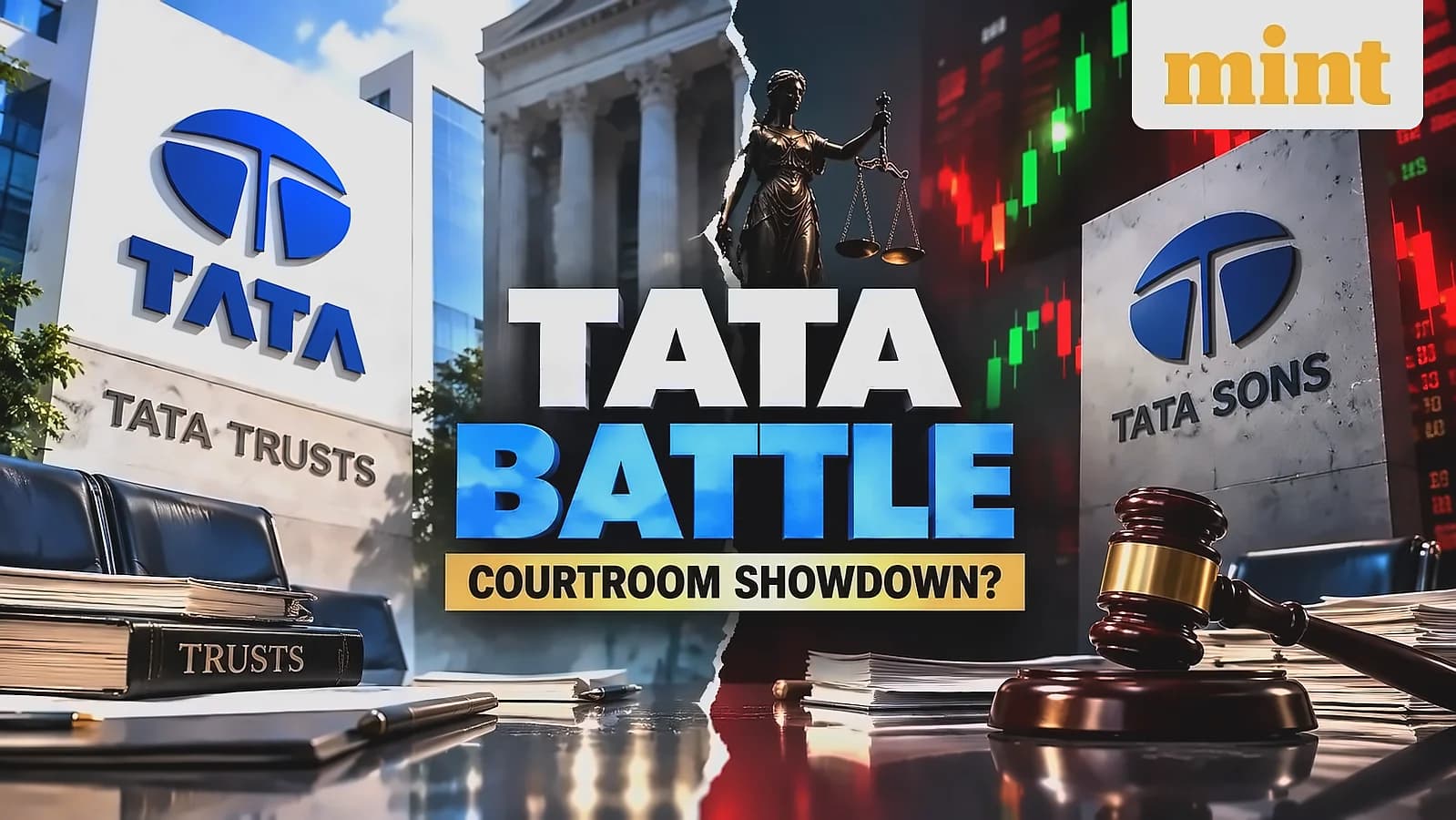
The dispute reveals fundamental disagreements over the casting vote provision's scope and application. Justice D Y Chandrachud, who provided legal opinion to Tata Trusts, maintains that the chairman's casting vote cannot override the required affirmative vote from nominee directors. According to ET Now reports, Chandrachud states that the affirmative voting rights of nominee directors are an independent requirement and cannot be overridden by the chairman's casting vote. He argues that the casting vote is intended to resolve a tied vote of the board as a whole and cannot be used to replace a required affirmative vote from a particular class or group of directors. Chandrachud concludes that the resolution in the second scenario is invalid even if the chairman's casting vote resolves the deadlock between nominee directors, as the affirmative vote of a majority of nominee directors was not secured. Srikrishna and Lalit's opinions, on the other hand, support the validity of the casting vote application, with Srikrishna stating that the proceedings were not intended to remain deadlocked and that the relevant provision should be interpreted to allow the board's proceedings to move forward. Senior advocate Sudipto Sarkar's opinion supports the chairman's casting vote interpretation, stating that Article 121 can reasonably be interpreted to permit the chairman's casting vote in two situations - where votes among directors appointed under Article 104B are tied, or where the votes of the board as a whole are evenly divided.
The Tata Sons annual general meeting, originally scheduled for August, was adjourned after the required quorum was not available. The company has received an extension from the Registrar of Companies to hold the AGM by December. If Chandrasekaran is reappointed as a director, his chairmanship would run until February 21, 2032. If he is not reappointed, his term at Tata Sons would end immediately. A circular resolution is also expected to be considered by the six directors, with each given seven days to vote on the matter. The quorum issue remains a complication as Tata Sons' Articles of Association require a joint nominee from the Sir Dorabji Tata Trust and Sir Ratan Tata Trust as part of the five-shareholder quorum. The Sir Ratan Tata Trust is currently under restrictions imposed by the Maharashtra charity commissioner, preventing it from holding board meetings and consequently from deciding how to vote. The Sir Dorabji Tata Trust and other Tata Trusts entities together hold about 42% of Tata Sons and are expected to vote against the resolution. The Sir Ratan Tata Trust holds about 24% but is unable to decide its voting position because of regulatory restrictions, while the Shapoorji Pallonji Group holds about 18% and is expected to support the resolution or abstain, and Tata group companies hold about 13%. How the Tata companies will vote remains unclear, with a shareholder holding even one Tata Sons share able to approach the National Company Law Tribunal under Section 97 of the Companies Act to seek a court-ordered AGM.