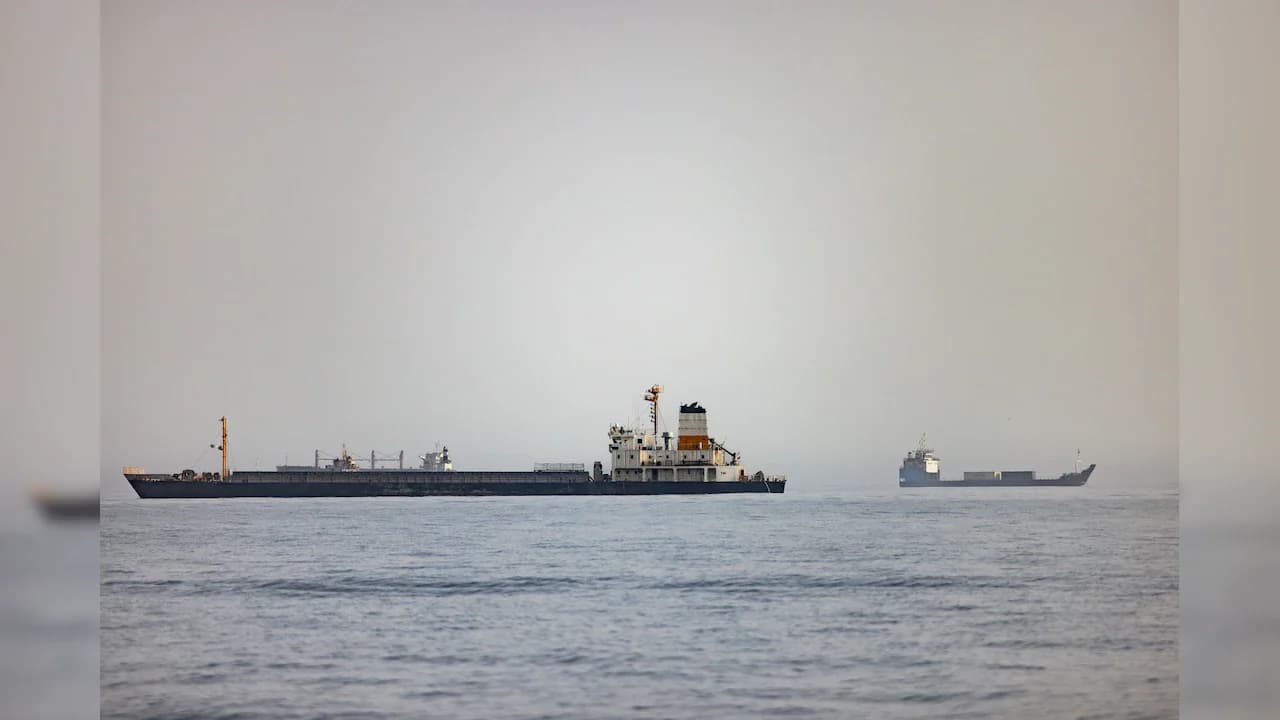
Iran and the US have rescheduled their nuclear negotiations for June 21, according to a statement from Pakistan's foreign ministry on Saturday. Mediators from Pakistan and Qatar will also participate in the discussions, as reported by Bloomberg. This development comes after Iran closed the Strait of Hormuz for shipping transit due to what it said was a violation of the ceasefire by Israel. Iran's joint military command announced the closure citing Israel's continued attacks in southern Lebanon, with the country stating that the attacks were in "bad faith" and a "clear breach of its commitments," according to AP News Agency. US Vice President JD Vance could travel to Switzerland either on Saturday or Sunday to participate in the rescheduled talks, as reported by Axios. The Iran delegation has travelled to Switzerland for US talks according to state TV, with the closure representing Iran's first step in response to Israel's continued aggression.
Oil prices rose slightly on Friday, with Brent up about 0.9% to $80 per barrel, according to Business Standard. This represents a reversal from earlier declines following the postponement of US-Iran peace talks. The oil prices had previously fallen 7.7% this week after the initial US-Iran deal announcement, but the latest developments have created renewed uncertainty about the sustainability of any potential settlement. Stock markets had largely rallied since the two countries announced plans to end the conflict and reopen the Strait of Hormuz, but equities stabilized Friday as investors reassessed the prospects for a lasting peace deal. Oil prices remain roughly 30% higher for the year because it will take months for flows to return to normal, despite traders anticipating the reopening of Hormuz strait will ease the biggest energy-supply crunch in history.
Israeli air strikes and drone attacks in southern Lebanon killed at least five people on Saturday, according to Lebanese state media, demonstrating that ceasefire agreements between Israel and the Iran-backed Hezbollah group are not holding. The Lebanese army said Israel had attacked the south of the country and the Bekaa valley, causing casualties, injuries and extensive destruction of property. The Lebanese health ministry put the Friday evening death toll at 47, while Israel's attacks killed 18 people the same day, as reported by Business Standard. Iran's joint military command said it has closed the Strait of Hormuz for shipping transit due to what it said was a violation of the ceasefire by Israel, with the closure occurring hours after the Friday ceasefire agreement took effect. Iran said that if the aggression continues, subsequent steps have been planned, according to Tasnim News Agency reports.
Despite the Strait's reopening, Indian refiners are delaying purchases of Middle Eastern crude, relying instead on ample inventories and alternative supplies led by Russian oil. According to Bloomberg, Indian refiners have enough crude to last them two months, so they will not be scrambling to buy Middle Eastern cargoes expected to be coming out through the reopened Strait of Hormuz anytime soon. Middle Eastern producers have approached Indian buyers to start taking in volumes under long-term contracts, but the buyers are not eager to do so, with the Indian government yet to give the green light to Indian tankers setting off for the Persian Gulf to load long-term contract volumes. India was among the biggest buyers of Middle Eastern crude due to the favorable price context related to geographical proximity, but this made it also among those most vulnerable to the fallout of tanker traffic disruption. As a result, Indian refiners returned to Russian oil, not least thanks to a sanction waiver from Washington, which put the squeeze on Russian flows overseas last autumn with sanctions on the two biggest exporters.
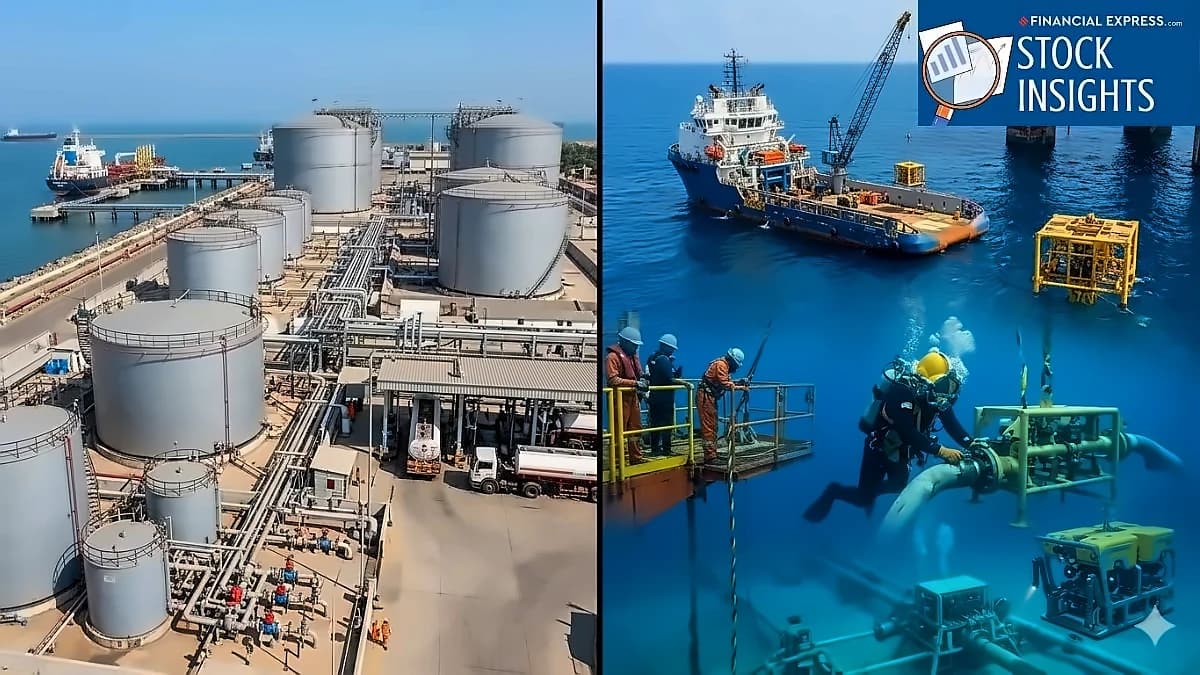
India's crude oil imports rose by 7.5% and LNG imports jumped by 16% in May from the previous month, as arrivals of non-Middle Eastern cargoes accelerated, according to provisional data from the oil ministry compiled by Indian media. The country's energy import bill soared by nearly 82% from a year earlier, with India paying as much as $18.7 billion on oil and gas imports in May, up by 81.6% compared to the May 2025 energy import bill of $10.3 billion. This surge reflects the country's strategic pivot away from Middle Eastern supplies toward alternative sources, with India's imports of oil and LNG jumping in May from April as the country diversifies its energy portfolio. The data underscores the broader challenges facing global energy markets as they adapt to the complex geopolitical dynamics affecting supply chains and pricing mechanisms.