Investor Sandip Sabharwal of asksandipsabharwal.com has issued a clear warning about the defence sector rally, stating that while the excitement is real, many stock prices have gone far ahead of reality. Speaking on ET Now, Sabharwal described the broader small-cap private defence space as having 'obnoxious' valuations, with price-to-earnings ratios of 100 to 200 times that are simply not justified. He also flagged a tactical risk that if the Iran ceasefire holds, investor interest could rotate away from defence entirely back into economy-linked stocks, potentially reversing the trade that drove many defence names up in the first place. However, he left the door open for contrarian investors, suggesting that a sharp enough selloff could make the sector deliver 15-20% returns for those unable to find better ideas elsewhere.
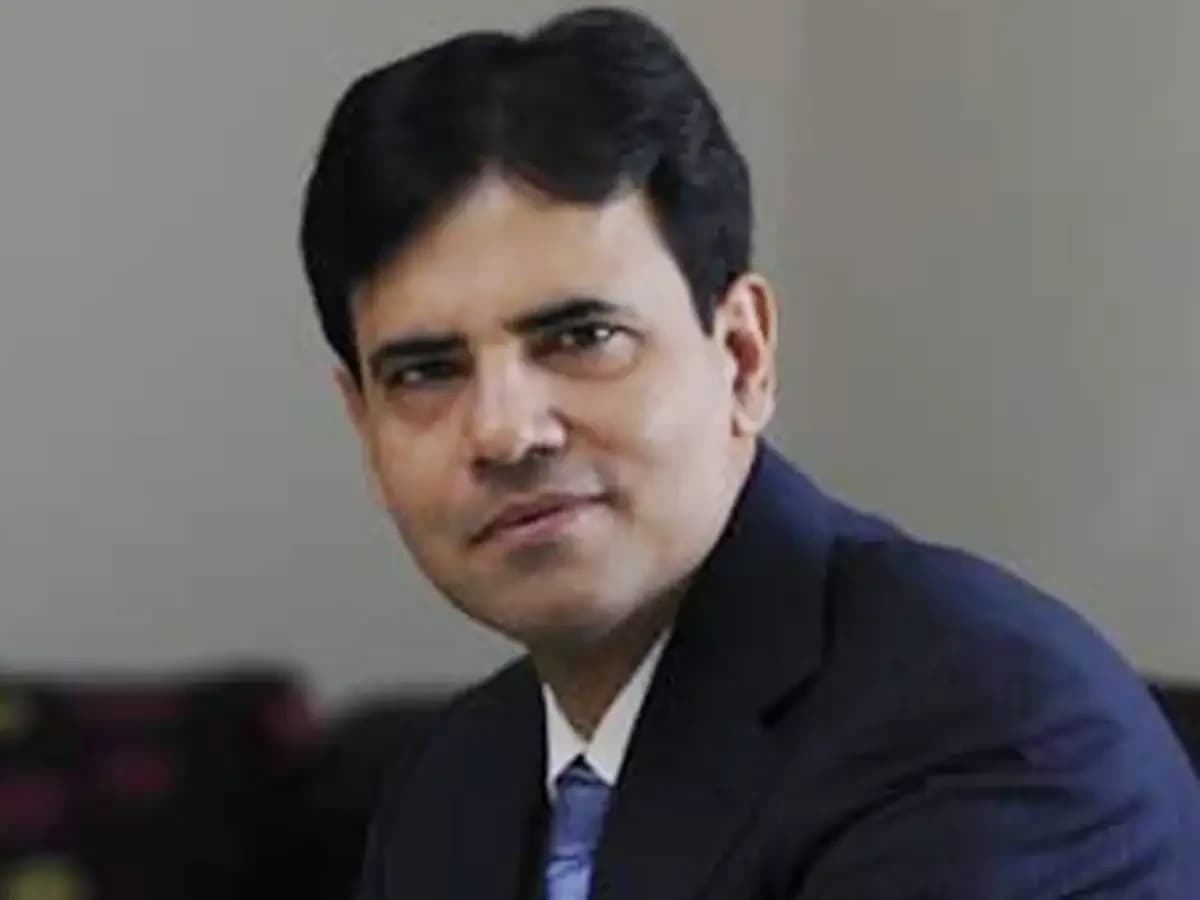
On Hindustan Aeronautics Limited (HAL), Sabharwal maintained a more measured view, acknowledging that the company is not expensively valued post-correction but noting that operational inefficiency remains a concern. As reported by The Economic Times, he favors Bharat Electronics as his preferred defence pick, while cautioning that many small-cap defence stocks have become overpriced. The CDMO (Contract Development and Manufacturing Organization) space has generated more buzz, with smaller companies seeing sharper stock moves, though Sabharwal admitted it is a difficult space to analyse rigorously given the molecule-by-molecule complexity involved.
Sabharwal expressed constructive views on the private banking sector, anticipating accelerated growth as the cycle turns. Speaking on ET Now, he believes the banking sector is positioned for stronger performance, though he did not specify which specific banks he favors in the private banking space.
Market expert Dhananjay Sinha has raised concerns about slowing rural incomes that could weigh on consumer demand, as reported by ETMarkets. He noted that reverse migration from urban centres to rural areas is increasing dependence on agriculture, which is less productive compared to urban occupations. The combination of higher end-product prices, decelerating nominal wage growth, and rising inflation could imply negative or flat real wage growth, with rising prices and real wages actually coming down. Rising fuel prices are pushing up the cost of living, with LPG shortages causing prices to informally increase by almost four times. Delayed monsoon rains with 40% deficiency in the first month could reduce cultivation acreage and agricultural productivity, requiring larger government support in rural areas.
In the IT sector, Sabharwal noted that valuations are attractive but lack clear triggers for near-term growth. As reported by The Economic Times, he left the door open for contrarian investors, suggesting that a sharp enough selloff could make the sector deliver 15-20% returns for those unable to find better ideas elsewhere. The pharma sector offers decent but unexciting prospects, with Sabharwal acknowledging that the CDMO space has generated more buzz but admitting it is difficult to analyse rigorously due to molecule-by-molecule complexity. India's pharmaceutical sector is pivoting beyond generics, with companies aggressively pursuing growth in biosimilars, nutraceuticals, and consumer healthcare, while US FDA approvals for complex generics remain a challenge.