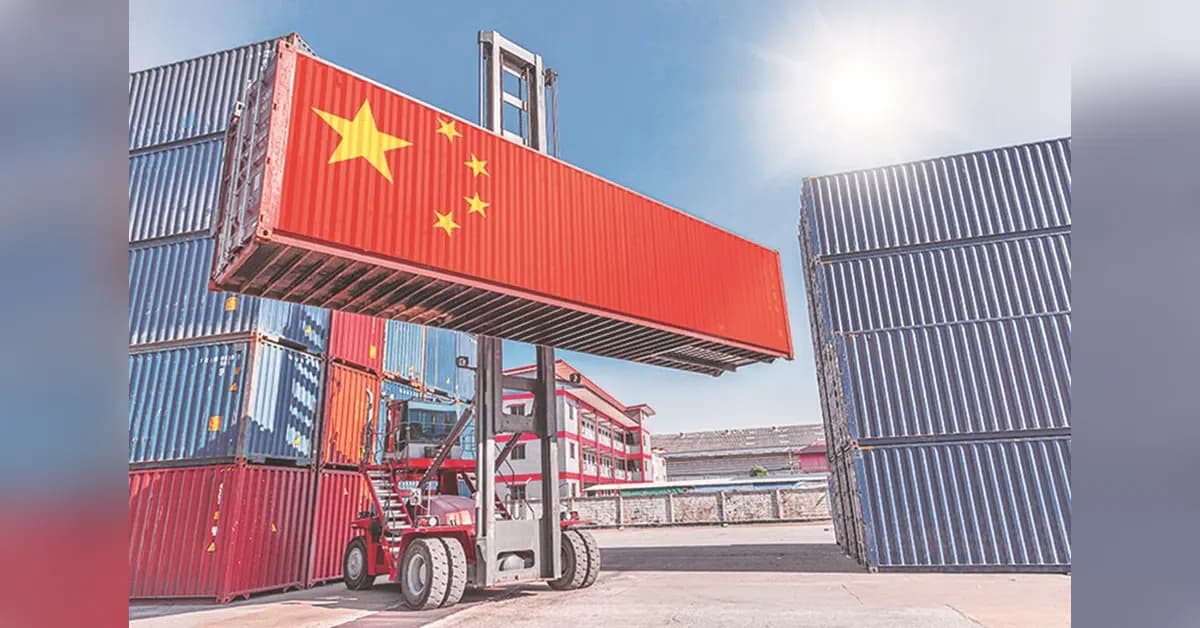
China's implementation of export controls on rare earths and other niche metals is creating significant market distortions and accelerating the global trend toward resource nationalism. According to reports from Financial Times, these controls are distorting markets and fuelling resource nationalism across the globe, as countries scramble to secure access to critical minerals. The controls represent a strategic shift where China is using its dominance in rare earth production to assert greater control over global supply chains and geopolitical leverage. This development is particularly significant as it demonstrates how one nation's resource control policies can reshape international trade dynamics and force other countries to adopt similar protectionist measures.
Resource nationalism describes the deliberate effort by nation states to assert control over, direct, and secure access to natural resources within their borders or broader spheres of influence. According to reports from Investing.com India, this concept extends beyond commodities themselves, reflecting a deeper strategic impulse where governments begin to view resource endowments as core to national power, economic resilience, and geopolitical advantage. Once this mindset takes hold, it propagates outward, reshaping policy frameworks, trade relationships, capital flows, and ultimately, the broader macro landscape. The current trend is being amplified by China's strategic use of rare earth controls, creating a domino effect of resource protectionism across global markets.
Resource nationalism is becoming an increasingly dominant force, with governments actively asserting control over natural resources to secure economic and geopolitical leverage. As reported by Investing.com India, the clear implication of this shift is structurally higher commodity prices as competition to secure supply intensifies. Commodity-linked equities, particularly in energy and materials sectors, as well as commodity-exposed regions like Latin America, are positioned as clear and sustained beneficiaries over time. Supply constraints, coupled with greater government involvement in securing critical resources, often strengthen pricing power across the resource complex. The trend is being further accelerated by China's strategic control of rare earths, which is forcing other countries to adopt similar protectionist measures to secure their own supply chains.
According to Investing.com India analysis, resource nationalism is viewed as more of a recurring cycle than a permanent feature of the global economy. During the 19th and early 20th centuries, natural resources were largely controlled by colonial powers and multinational enterprises, leaving resource-rich regions with limited sovereignty. The movement reached its peak in the 1970s, particularly around the 1973 OPEC oil embargo, when resource nationalism became a major driver of inflation, economic growth, and geopolitical outcomes. Beginning in the 1980s, globalization and market liberalization shifted priorities toward efficiency, free capital flows, and integrated supply chains, reducing the influence of resource nationalism. Around 2020, the cycle turned again as the pandemic exposed supply-chain vulnerabilities, prompting governments to prioritize resilience and control of critical resources, with China's recent actions accelerating this trend.

For investors, this environment has historically been supportive of commodities and commodity-related equities, as reported by Investing.com India. As governments increasingly view access to energy, metals, food, and other strategic materials as a national security priority, policies aimed at securing domestic supply can become self-reinforcing and persist for years. Exposure to sectors such as energy, metals, and other real assets may become increasingly important for portfolios seeking to navigate a more fragmented, strategically driven global economy. The analysis suggests that resource nationalism typically reemerges as part of a broader shift in the global political economy rather than through isolated policy actions, with China's rare earth controls serving as a catalyst for accelerated global resource protectionism.