Power utilities delivered robust 12% earnings per share (EPS) growth during Q1FY27, driven by high demand recovery from a lower base in the previous year. According to reports from Business Standard, the sector is experiencing a planned structural shift from thermal to renewable energy, hydroelectric, pumped storage plants, battery energy storage systems, and nuclear capacity. The Central Electricity Authority forecasts peak demand requirement of 366 GW by FY32, necessitating significant capacity enhancements.
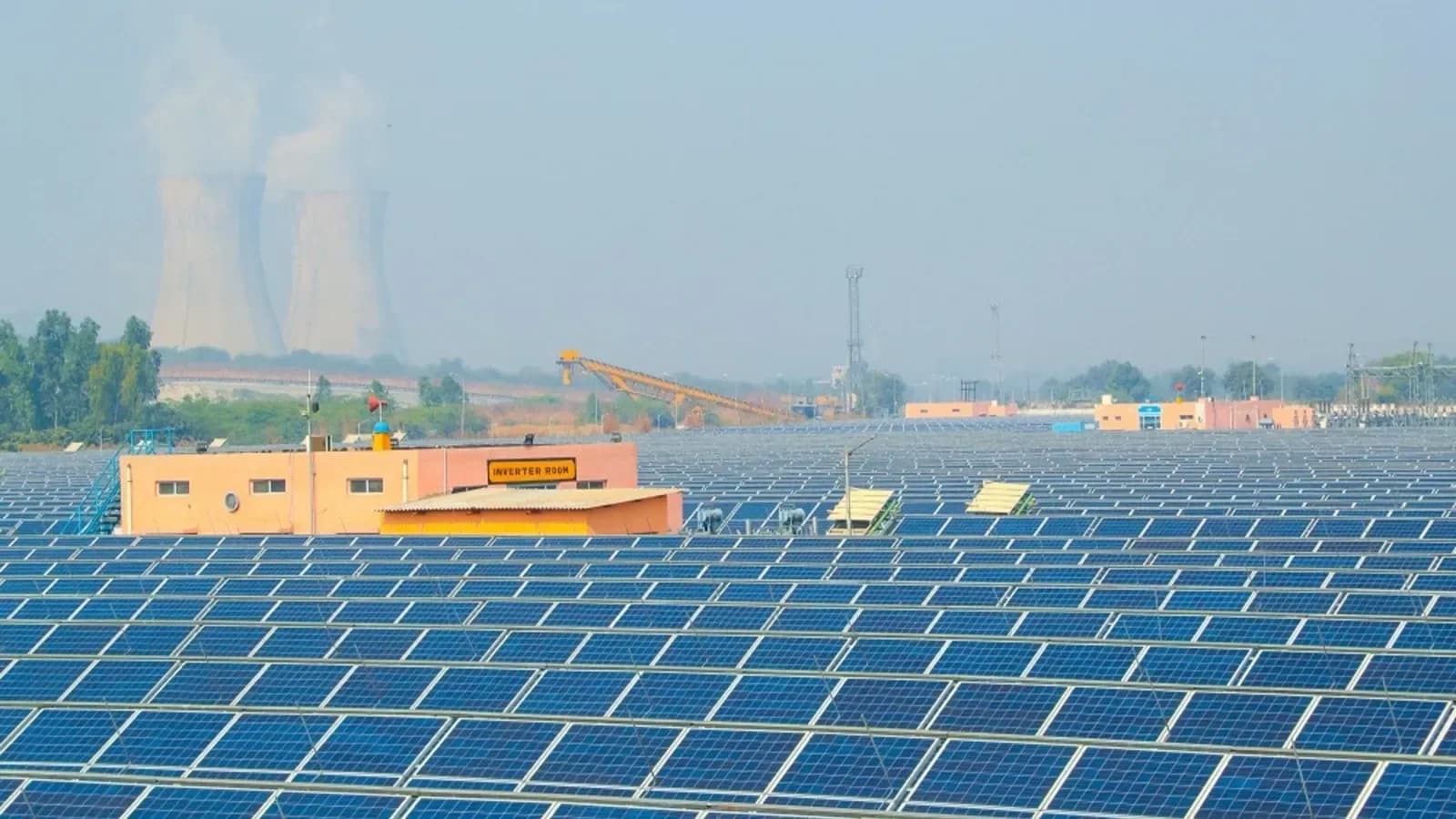
India aims to increase installed capacity to 610 GW by FY27 and 900 GW by FY32, up from the current 554 GW as of June 2026. Major power companies are prioritizing predictable returns over merchant power, with NTPC diversifying generation mix from thermal to renewable energy and hydro with focus on power purchase agreements. JSW Energy concentrates on pumped storage and renewable energy, while Adani Power raised its capacity target from 42 GW to 45 GW. The current battery energy storage system arbitrage stands at ₹7-9 per unit versus a historical average of ₹4-5 per unit.
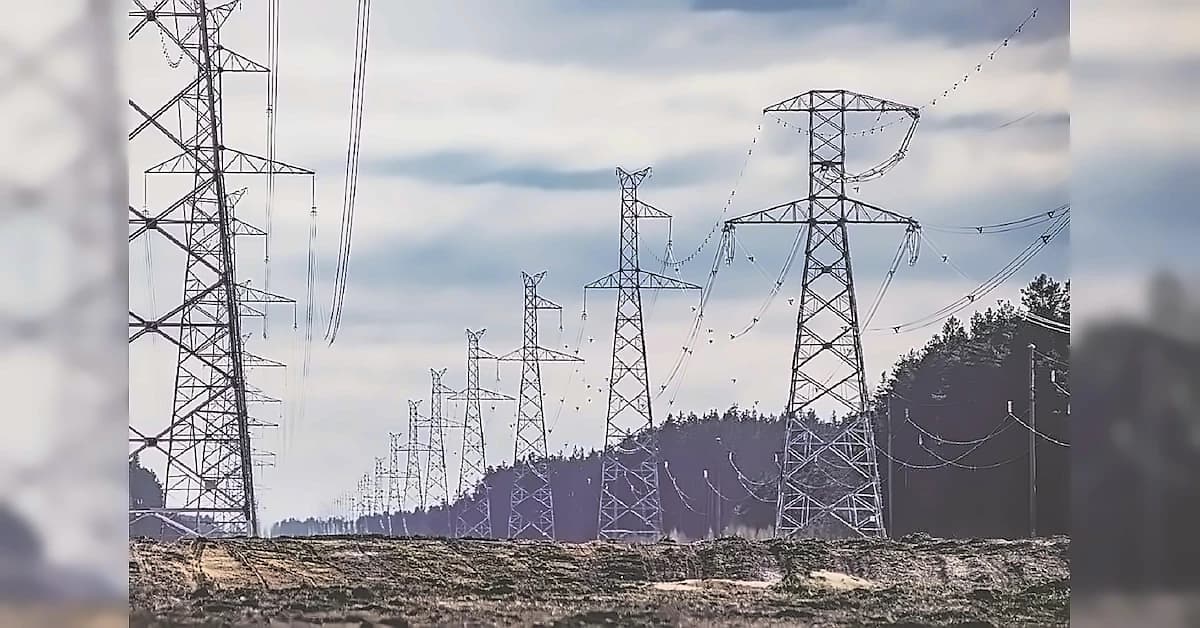
Adani Power is positioned as the strongest thermal earnings-growth story, while Adani Green scales up in renewable energy and battery energy storage systems with ambitious targets of 50 GW RE and 50 GWh BESS. NHPC and SJVN, primarily hydro-focused players, face near-term generation constraints due to weak rainfall, though NHPC benefited from incremental generation from new projects. Power Grid Corporation maintains its ₹37,000 crore capex guidance for FY27 with strong bidding pipeline, while Torrent Power continues distribution business offsetting thermal losses.
BHEL reported a jump in earnings with a massive ₹2.6 trillion order book (up ₹60,000 crore YoY), providing multi-year revenue visibility. Solar equipment players with in-house cell capacity like Emmvee and Premier maintain competitive advantages, while the nDCR segment has turned unprofitable. In the wind segment, tendering and ordering are improving but commissioning lags deliveries amid increasing Chinese competition. IEX posted consensus results with 16% YoY trading volume growth, though regulatory uncertainty persists with Supreme Court allowing CERC to frame market coupling regulations.