According to CNBC TV18, Chetan Seth, Asia-Pacific Equity Strategist at Nomura, has downgraded Indian equities from overweight to neutral, expecting India to perform broadly in line with regional markets. As reported by CNBC TV18, Seth explains that if the war de-escalates and oil flows normalise through the Strait of Hormuz, all Asian markets will rally, but some like Korea and Taiwan could outperform. The strategist emphasizes that India may rise but struggles to expect outperformance, with the key variables remaining the trajectory of the war and energy flows. As reported by HomeStocksNews, Seth notes that while global de-escalation could lift Asian stocks, India's potential to lead such a rally depends on both energy markets stabilizing and the AI tech sector flourishing at the same time.

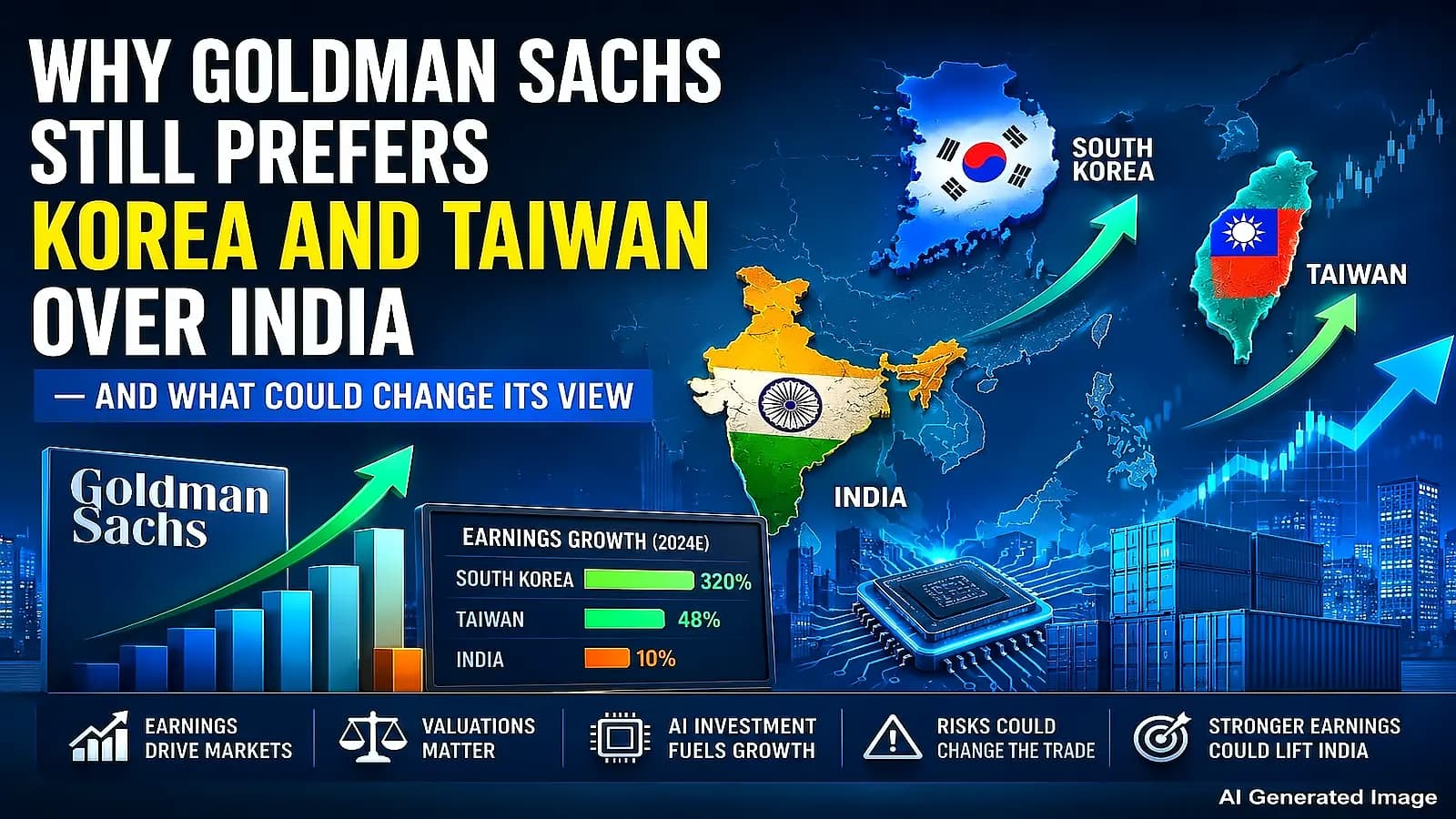
As reported by CNBC TV18, Seth is overweight on Korea and China in Asia-Pacific markets. For Korea, the case centers on strong earnings growth with expectations of around 150% for 2026 and another 20% growth next year. Recent results like Samsung's were ahead of consensus, with valuations remaining attractive at 7-8x. The tech analysts are bullish on the artificial intelligence cycle, with current estimates potentially conservative. For Taiwan, Seth highlights that 80-85% of its market is linked to technology, making it even more heavily exposed to the AI theme. As reported by HomeStocksNews, Taiwan's appeal is boosted by its strong positioning in the AI sector, with the country's technology-heavy market structure providing significant exposure to artificial intelligence developments.
According to CNBC TV18, Seth identifies two critical calls for India: energy linked to the war and the AI and tech cycle. As reported, if investors are bullish on AI and tech and expect oil to fall, India could struggle. However, if the tech cycle weakens and energy normalises, India could outperform. The strategist notes that India has seen ₹16-17 billion in outflows year to date, with Korea experiencing approximately ₹30-32 billion and Taiwan about ₹14-15 billion in outflows. As reported by HomeStocksNews, Seth also discussed significant foreign investor outflows from India, totaling $16-17 billion so far this year. These flows could reverse if global stability returns and investor sentiment improves, with ample capital ready to be reinvested in emerging markets.
As reported by CNBC TV18, Seth attributes India's recent aggressive foreign institutional investor outflows to investors finding better opportunities elsewhere, particularly in tech markets. The strategist explains that since active emerging market funds aren't seeing strong inflows, investors rotate capital by selling one market to buy another. The rupee also plays a crucial role in this dynamic, as it often faces pressure during persistent outflows. As reported by HomeStocksNews, the stability of the Indian rupee is also crucial, as it often faces pressure during persistent outflows, creating a chicken-and-egg situation where improved flows lead to rupee stabilisation, while persistent outflows weaken the currency and pressure equities further.