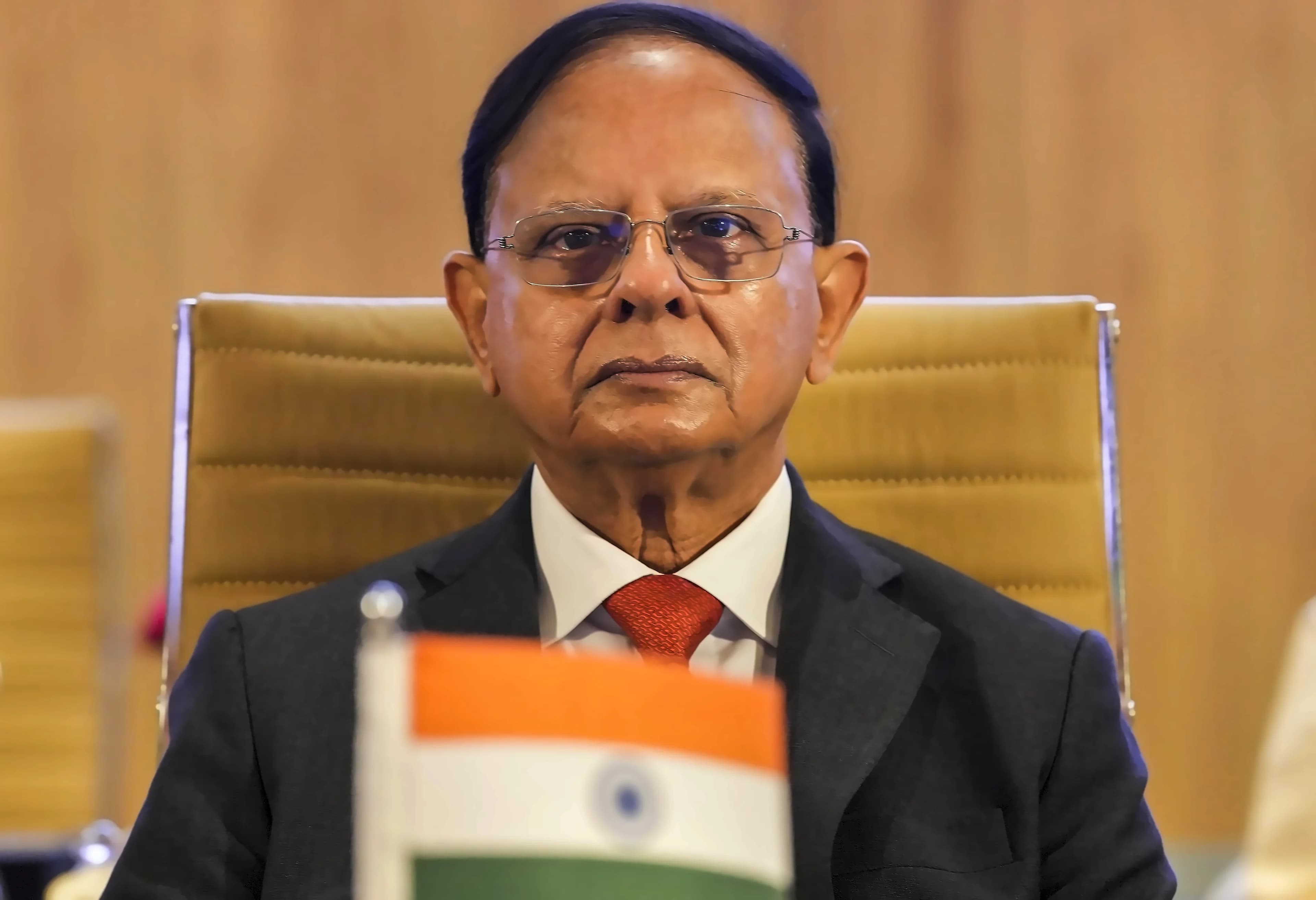
Indian companies are increasingly moving up the value chain, focusing on higher-end and better-quality products as they look to expand into markets such as the European Union and the US, according to Citi's global head of commercial banking, Tasnim Ghiawadwala. Speaking to Mint, Ghiawadwala said many of the bank's commercial banking clients in India are no longer aiming only for domestic leadership but are pursuing global scale and competitiveness. The shift reflects a steady move away from competing at the low end of product segments, with companies increasingly deploying capital overseas to be closer to end markets and take advantage of lower asset prices in some jurisdictions.
India's manufacturing transformation is being supported by significant government incentives, with the production-linked incentive (PLI) scheme generating investments of more than ₹2.16 trillion as of 31 December, according to government data released in March. The schemes span 14 sectors, including large-scale electronics manufacturing, IT hardware, pharmaceuticals, bulk drugs, medical devices, automobiles and auto components. As reported by Citi's Ghiawadwala, Indian firms' push towards higher-quality products and innovation mirrors an earlier phase of China's industrial evolution, where companies have moved from focusing on the cheapest products to market to emphasizing innovation and quality.
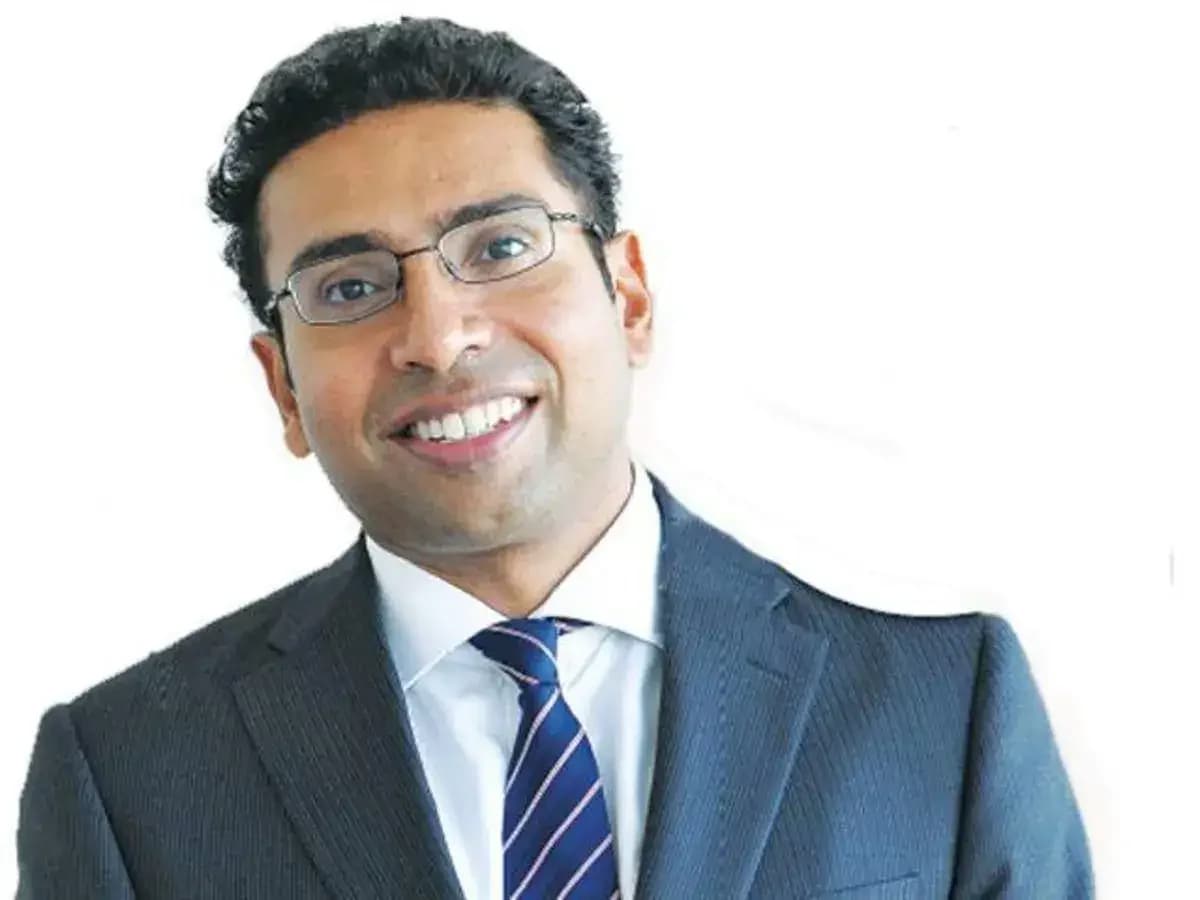
Saurabh Mukherjea, Founder & Chief Investment Officer at Marcellus, delivered a provocative perspective at the ET Alpha Wealth Summit in Mumbai, introducing the concept of 'Sankat Kaal' - a period of disruption that India is currently navigating. According to The Economic Times, Mukherjea emphasized that India's economic future lies with manufacturing exporters, not consumer companies, predicting this shift will drive the next wave of earnings growth. He stated that 'We are in Sankat Kaal, but we will come out of this, and in this Sagar Manthan, our job is to look for the next generation of winners' - companies that will drive India forward.
According to The Economic Times, Mukherjea highlighted that artificial intelligence is reshaping jobs, impacting the middle class. The downstream effects are already visible in property markets, with residential real estate in Gurgaon and Hyderabad described as 'almost frozen solid' as IT and tech job losses drain purchasing power from India's affluent urban middle class. This trend is creating sustained inventory pressure in big-city real estate while Tier II and Tier III markets, both residential and commercial, look increasingly promising.
As reported by The Economic Times, Mukherjea expects the rupee will fall further, and that is good news for manufacturers. The weaker rupee is anticipated to benefit goods producers, aligning with the strategic shift toward manufacturing exporters. Despite the challenging environment, well-managed companies remain strong investments according to his analysis, suggesting that fundamental business quality continues to matter even during periods of economic disruption. Recent currency volatility has also impacted carry trade strategies, with the strategy's performance stalling in May after strong gains in March and April due to rising dollar volatility and expectations for higher Federal Reserve interest rates.
The discussion was part of the panel 'India, Amritkaal or AI-Kaal? India's Next Decade' at the ET Alpha Wealth Summit, moderated by Kshitij Anand, Editor-Markets & Finance at ET Digital. According to The Economic Times, the panel included leading fund managers Vikas Khemani from Carnelian Asset Management & Advisors, Hiren Ved from Alchemy Capital Management, and Kailash Kulkarni from HSBC Mutual Fund. Mukherjea's perspective on 'Sankat Kaal' provided a distinct contrast to other panelists discussing 'Amritkaal' and 'AI-Kaal' themes.