Indian stock markets have continued their upward march even as foreign institutional investors remain largely on the sidelines. According to The Economic Times, Shreyash Devalkar, Head-Equity at Axis MF, noted that the June-quarter earnings season has been more resilient than initially feared. Listed companies have reported only limited impact from geopolitical tensions and inflationary pressures, with the focus shifting back to corporate earnings after the results season. Speaking to ET Now, Devalkar explained that "The internals of the market are always driven by earnings growth. Earlier, it was expected that war and inflation would have a significant impact, but in the listed space the impact has largely been benign." He added that "There have been more incremental positives than negatives. Cooling crude prices and the measures taken by the government and the central bank have been supportive. The biggest risk continues to be crude oil because it remains highly unpredictable."
Despite midcap companies consistently delivering stronger earnings growth than largecaps over recent quarters, Devalkar believes improving nominal GDP growth could help narrow that gap. As reported by The Economic Times, he stated that "largecap companies generally cannot grow too far away from nominal GDP growth," with inflation supporting revenue growth across several sectors. Higher nominal GDP growth and inflation-linked pricing actions across industries could support stronger revenue growth during the June quarter. Speaking to ET Now, Devalkar elaborated that "There are segments where the price increase may more than compensate for the increase in raw material costs, and margins may remain broadly intact." He noted that "For the last several quarters, mid and small caps have shown superior growth. What we are hoping for now is that large caps also revive and show better growth."
Despite attractive valuations, the IT sector requires stronger revenue growth before becoming compelling again. According to The Economic Times, Devalkar explained that when growth for any sector is below 5%, it becomes difficult to generate meaningful equity returns. Even after combining low dollar revenue growth with rupee depreciation, free cash flow yields, dividends and buybacks, the overall return remains only reasonable, not exciting. Some global IT peers benefiting from the AI wave are trading at lower valuation multiples, suggesting investors should evaluate returns more holistically. Speaking to ET Now, he emphasized that "If growth is less than 5 per cent, then it becomes very difficult to make a compelling case around the sector. Unless growth in dollar terms moves from 2-3 per cent to above 5 per cent, it is difficult to make a strong case."
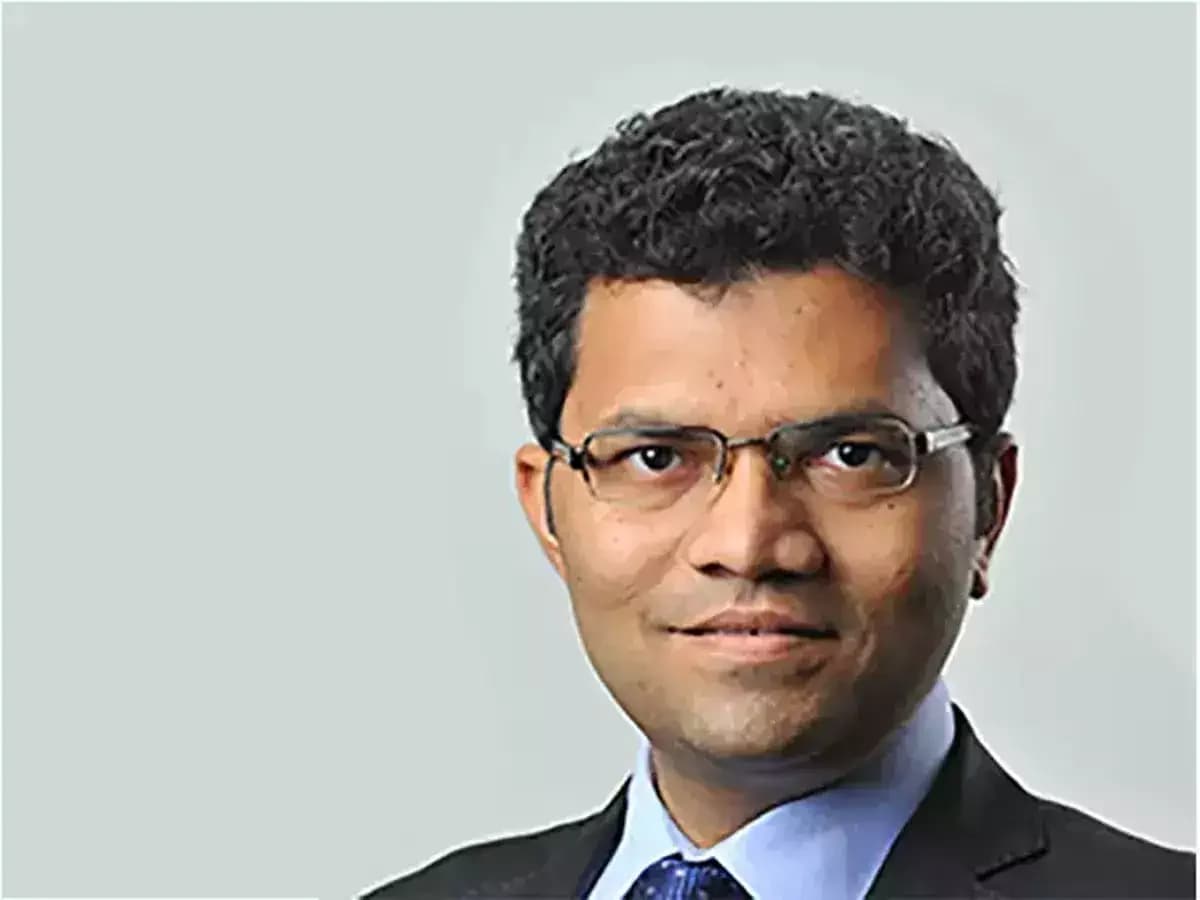
Within automobiles, Devalkar's preference remains tilted towards auto ancillary companies rather than vehicle manufacturers. As reported by The Economic Times, he noted that auto ancillary companies have diversified into non-auto businesses and exports, making them an attractive play on India's manufacturing story. The investment case for pharmaceuticals has evolved, with domestic businesses driving consistent growth while international operations have stabilised. According to ET Now, Devalkar explained that "The international piece is broadly getting in place and is getting reasonably priced. On the domestic front, growth is good and is as good as, or maybe better than, FMCG companies." The firm maintains positive exposure to the entire healthcare space including hospitals and diagnostics, with Devalkar stating "We are more positive on auto ancillary companies than auto OEMs. Many auto ancillary companies are getting into non-auto businesses and are becoming a good play on India's manufacturing story."
Despite recent supportive developments including cooling crude prices and government measures, crude oil prices remain the biggest risk due to their unpredictability. According to The Economic Times, Devalkar maintains a positive long-term view on defence as a structural story, but advises investors to be selective as valuations have become richer. While the monsoon also poses risks, it is broadly known and largely priced in by the market. Speaking to ET Now, he noted that "These structural stories are no longer in the early cycle. They are discovered, and one needs to be cautious because of valuations." He believes the balance of risks has improved over the past month, citing easing crude prices, supportive monetary policy measures and government actions as positive developments for equities.