According to R Sivakumar, chief investment officer at Axis Mutual Fund, India is fundamentally a growth market, not a value market. As reported by Business Standard, mid and smallcap stocks have delivered earnings growth of around 15% while largecap earnings growth remains in single digits for the past few quarters. Foreign investors, who tend to disproportionately own largecap stocks, have been persistent sellers due to the slower earnings growth, while domestic flows are increasingly moving into flexicap, multicap, midcap, and smallcap categories.
The economic environment is showing signs of improvement with bank credit growth accelerating from below 10% to around 16%, according to Sivakumar's analysis reported by Business Standard. Currency in circulation has risen sharply, suggesting stronger transaction activity, while bond yields have been rising despite RBI liquidity support, indicating markets expect stronger growth and inflation. The Reserve Bank of India's aggressive rate-hiking cycle has reversed, with easier liquidity conditions and credit growth acceleration expected to benefit the economy through 2026-27.
As reported by Business Standard, manufacturing remains one of the preferred themes, with focus on power, electrification, energy transition, and data-centre-related investments. The financials sector, particularly banking, has become more attractive as valuations have corrected meaningfully while credit growth remains healthy. However, Sivakumar notes that power, defence, and data centre plays have already rerated sharply, requiring more selective investment approaches as markets differentiate between companies that can deliver earnings growth and those that cannot.
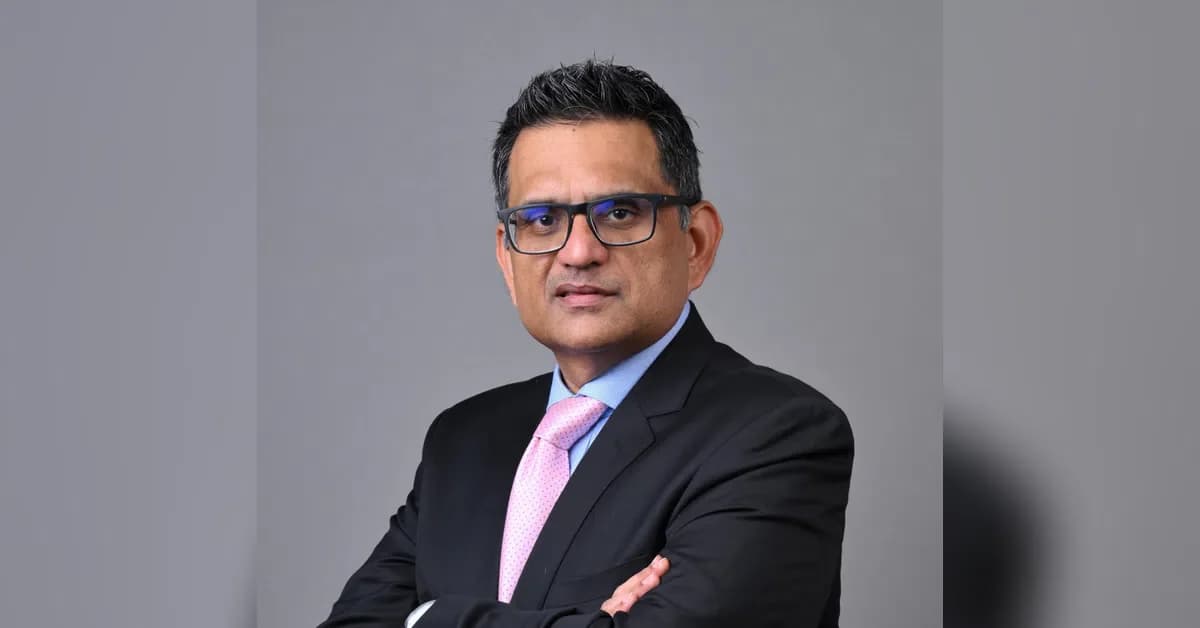
According to Sivakumar's assessment reported by Business Standard, the Indian IT sector is currently underweight due to the ongoing AI disruption, with clients demanding lower costs and AI creating pressure on traditional billing models. However, he does not subscribe to the view that Indian IT business models will become obsolete, comparing this transition to the internet boom where the biggest beneficiaries were companies that successfully applied technology rather than built it. Indian IT companies can evolve from traditional service providers into AI-enabled service providers, though the key question remains how quickly they adapt to the changing landscape.
As reported by Business Standard, Sivakumar emphasizes that nominal GDP growth of 11-12% would bring Nifty earnings growth into double digits, potentially attracting foreign investors who are currently reluctant at 8% earnings growth rates. The investment approach has evolved with Axis MF expanding stock coverage from around 200 companies to more than 450 companies, maintaining growth focus while introducing stronger valuation overlays to avoid overpaying for growth prospects.