SBI Securities has issued a buy rating on Jindal Stainless with a target price of ₹859 against the current market price of ₹753.30. According to reports from The Hindu BusinessLine, the brokerage highlights the company's strategic expansion through its joint venture in Indonesia, which has been commissioned ahead of schedule.
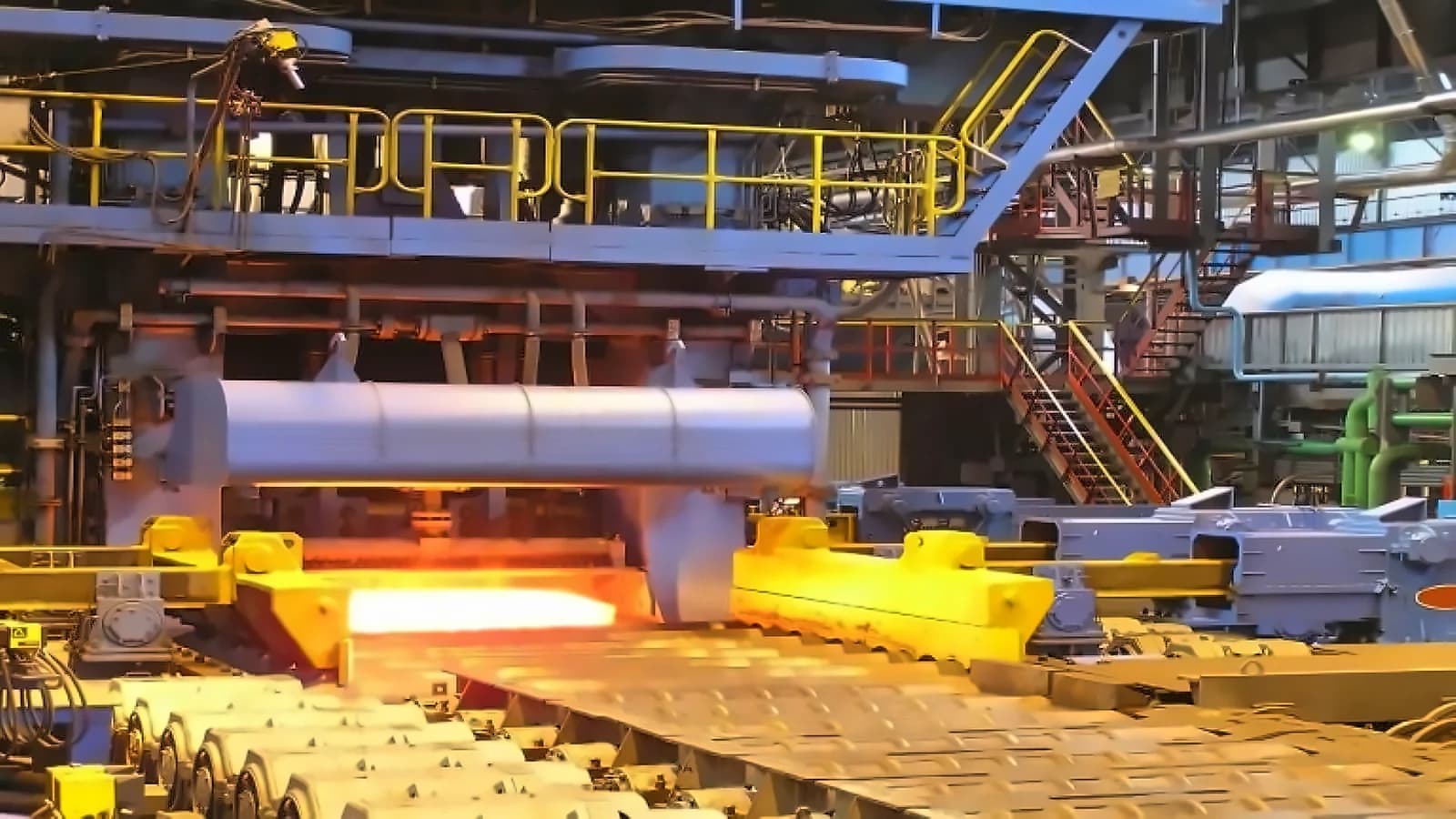
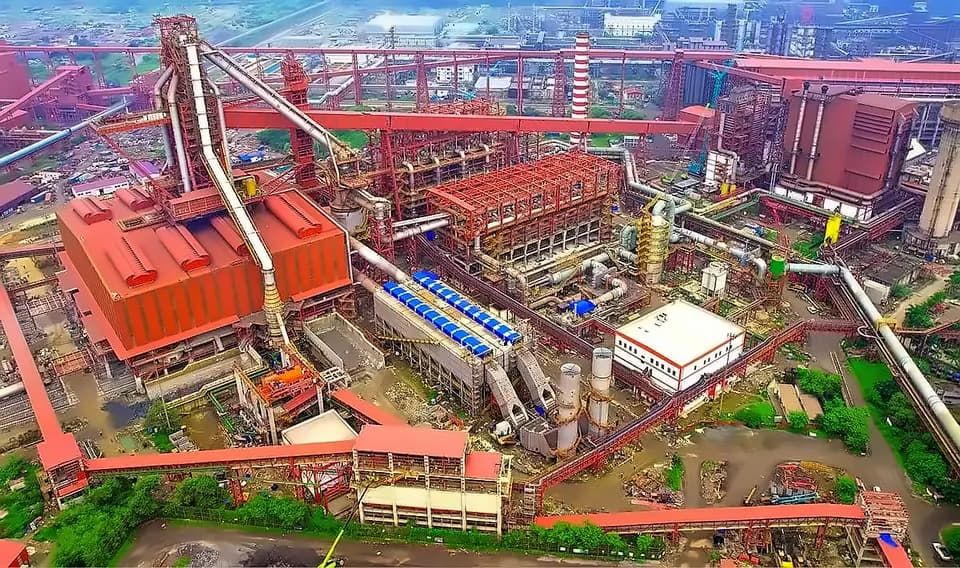
Jindal Stainless has successfully commissioned its 1.2 million tonnes (mt) stainless steel melt shop (SMS) in Indonesia through its joint venture, as reported by The Hindu BusinessLine. This development marks a key milestone in the company's global expansion strategy. With this commissioning, the company's total melting capacity has increased to 4.2 MTPA, including 3 MTPA in India. The company has also secured vertical integration into raw material security by commissioning a nickel pig iron smelter in Halmahera, Indonesia, securing approximately 22% of its nickel requirements through captive production against its annual requirement of 125,000 tonnes.
The company is preparing to commission additional capacity in India, including a new 1.1-mt Hot Rolled Annealed Pickled (HRAP) line and 0.17-mt Cold Rolling capacity in Jajpur, Odisha, by Q4/Q2FY27, respectively. According to The Hindu BusinessLine, this expansion is part of the earlier announced ₹1,900 crore outlay, with the company also earmarking a fresh investment of ₹900 crore at Hisar and Kharagpur which are expected to be commissioned by Q2FY28. The company has also set ambitious targets to increase cold rolling capacity from 2.05 MTPA in FY26 to 2.67 MTPA by FY28, with downstream facilities accounting for 64% of total melt capacity.
The company's PLI 1.2 MoU signed in February 2026 for expanding capacity in specialised alloys and forged products for railways, defence, electrical equipment, and aerospace represents a significant strategic shift toward value chain integration. As reported by SteelMath, this move signals the company's intent to move up the value chain and address the structural reality that the highest-value steel ecosystems being built within India are either led by global companies or enabled by government incentives that compensate for competitive gaps in technology, feedstock security, and scale in specialty segments. The company's annual turnover of approximately ₹40,182 crore ($4.75 billion) in FY25 positions it as India's largest stainless steel manufacturer.
India maintains its position as the second largest consumer and third largest producer of stainless steel globally, as reported by The Hindu BusinessLine. The country's per capita consumption has shown significant growth from 2.3 kg in FY19 to 3.1 kg in FY24, though it remains below the global average of 6.5 kg, indicating substantial growth potential. The company continues to face challenges from subsidised stainless steel imports holding over 30% market share in India. However, the company is strategically focusing on value-added solutions for key sectors and expanding its domestic market contribution to 95% of total revenue.
The company is actively engaging with the government to reinstate Quality Control Orders and is awaiting results of an ongoing anti-dumping duty investigation, which could progress in H1FY27, as reported by The Hindu BusinessLine. These regulatory developments could significantly impact the company's competitive position in the domestic market. The company is also targeting sales volumes of around 3.5 MTPA by FY29, implying a double-digit CAGR over the next three years. The government's Green Steel Taxonomy introduced in late 2024 made India the first jurisdiction in the world to codify formal green steel standards, with green steel demand forecast to climb from negligible levels currently to 4.49 million tonnes by FY30, reaching 24 million tonnes by FY35.