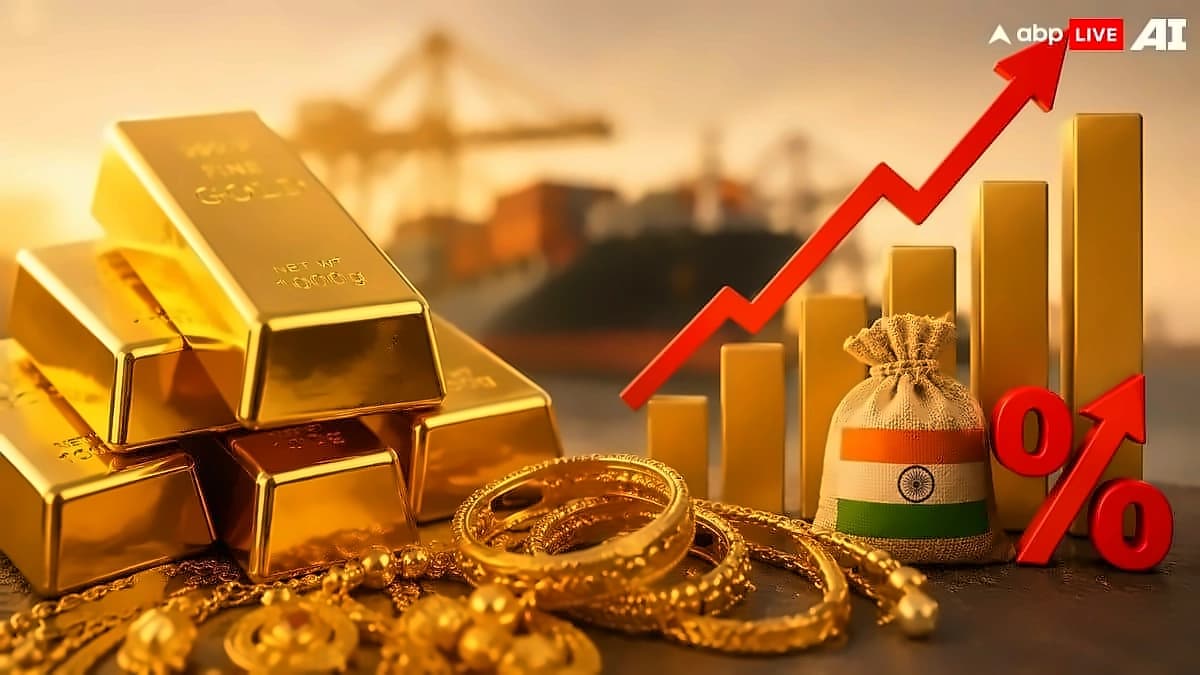
The Gem & Jewellery Export Promotion Council (GJEPC) has voiced strong concerns regarding the recent increase in gold import duty and Agri cess, while simultaneously proposing proactive industry-led solutions aimed at reducing import dependence, revitalising the Gold Monetisation Scheme, and safeguarding India's gem and jewellery export sector amid mounting economic pressures. As reported by Svar Media, the GJEPC Chairman has taken a bold stance on the policy changes, calling for comprehensive industry solutions to address the challenges posed by the duty hike. The council's position reflects growing concerns within the jewellery sector about the impact of these policy changes on both domestic manufacturers and export-oriented businesses.
The Centre's decision to increase gold and silver import duty to around 15% has triggered immediate price surges across precious metals markets. As reported by the All India Sarafa Association, silver prices jumped by ₹20,500 to ₹2,97,500 per kg in Delhi markets from ₹2,77,000 per kg on the previous day, while gold of 99.9% purity increased by ₹8,550, or over 5%, to ₹1,65,350 per 10 grams from the previous close of ₹1,56,800 per 10 grams. The duty hike follows Prime Minister Narendra Modi's clarion call for curbs on gold purchases, along with other austerity measures, to reduce avoidable foreign-exchange expenditure. Local traders said the actual impact of the higher levy would play out over the coming days once the increased duty begins reflecting in purchase bills. The government has also raised import duty on platinum to 15.4% from 6.4% and made consequential changes to other items such as gold/silver dore, coins, and findings, with the new duties effective from Wednesday.
Market analysts suggest that organised jewellers may emerge stronger despite near-term demand disruption from the higher gold duty implementation. According to Moneycontrol, in scenarios of rising gold prices, jewellery retailers are positioned more favorably compared to manufacturers in the current market environment. This assessment reflects the different operational structures and market dynamics affecting various segments of the jewellery value chain. Larger organised players such as Titan Company are generally better equipped to handle rising bullion costs, inventory pressure, and temporary demand slowdowns compared to smaller regional jewellers due to their stronger balance sheets and operational efficiency. The duty hike is expected to have mixed impacts across sectors, with gold financing firms including Muthoot Finance and Manappuram Finance expected to benefit from higher collateral values of gold-backed loans, while jewellery companies face immediate pressure from higher domestic gold prices. However, the Gem & Jewellery Export Promotion Council cautioned that raising gold import duty does not curb imports but inflates prices, with jewellery retailers stating that imposing quantitative restrictions on gold and silver imports would be a more effective way to curb the country's current account deficit.
The duty increase has created significant concerns about consumer affordability and jewellery demand patterns across different market segments. As reported by multiple sources, higher gold prices directly affect jewellery affordability, creating sticker shock among consumers particularly during non-festival periods. While wedding jewellery and festival demand may show moderate impact, daily discretionary purchases face high impact, with consumers potentially reducing purchase quantity or shifting toward alternative options. However, India's jewellery industry remains closely tied to wedding seasons, cultural traditions, and major festivals, making festive demand one of the most important growth drivers for jewellery companies. Even when gold prices rise sharply, wedding-related purchases usually remain relatively resilient because gold jewellery continues to hold strong emotional, cultural, and investment value in Indian households. The government's move to sharply hike import duty on gold to 15% is unlikely to dent Indian weddings significantly, though jewellers expect consumers to increasingly opt for lighter-weight designs, leading to some moderation in purchase volumes. Industry experts note that higher import duties may temporarily influence purchasing behaviour or timing, but they may not meaningfully alter the long-term structural demand for gold in India.
Despite near-term challenges, the long-term outlook may still favour stronger, organised jewellery companies with efficient inventory systems, strong branding, better hedging capabilities, and superior balance sheet management. According to market analysis, investors should focus on both short-term earnings pressure and long-term structural strength before making investment decisions in jewellery stocks. The gold import duty hike has increased uncertainty across the sector, making it important for investors to evaluate company fundamentals more carefully, with factors such as inventory management, pricing power, debt levels, and demand resilience playing critical roles in determining which jewellery companies can navigate the higher-cost environment effectively. Over the next 3 to 12 months, investor focus will shift toward profitability, consumer buying behaviour, and margin sustainability as the sector adapts to the new policy environment. For investors, this represents a moment to lean in rather than trim, as the duty-driven premium is viewed as noise while the real signal lies in the layering of resumed central-bank demand, accelerating industrial demand onto silver, and Indian retail demand that history shows only strengthens after official discouragement. As Hareesh V, Head of Commodity Research at Geojit Investments, noted, "The recent hike in India's gold import duty is likely to raise local prices and temporarily dampen physical demand. However, investors should not view this as a reason to panic. Gold continues to hold its appeal as a safe-haven asset, particularly in times of global uncertainty and domestic currency pressures."