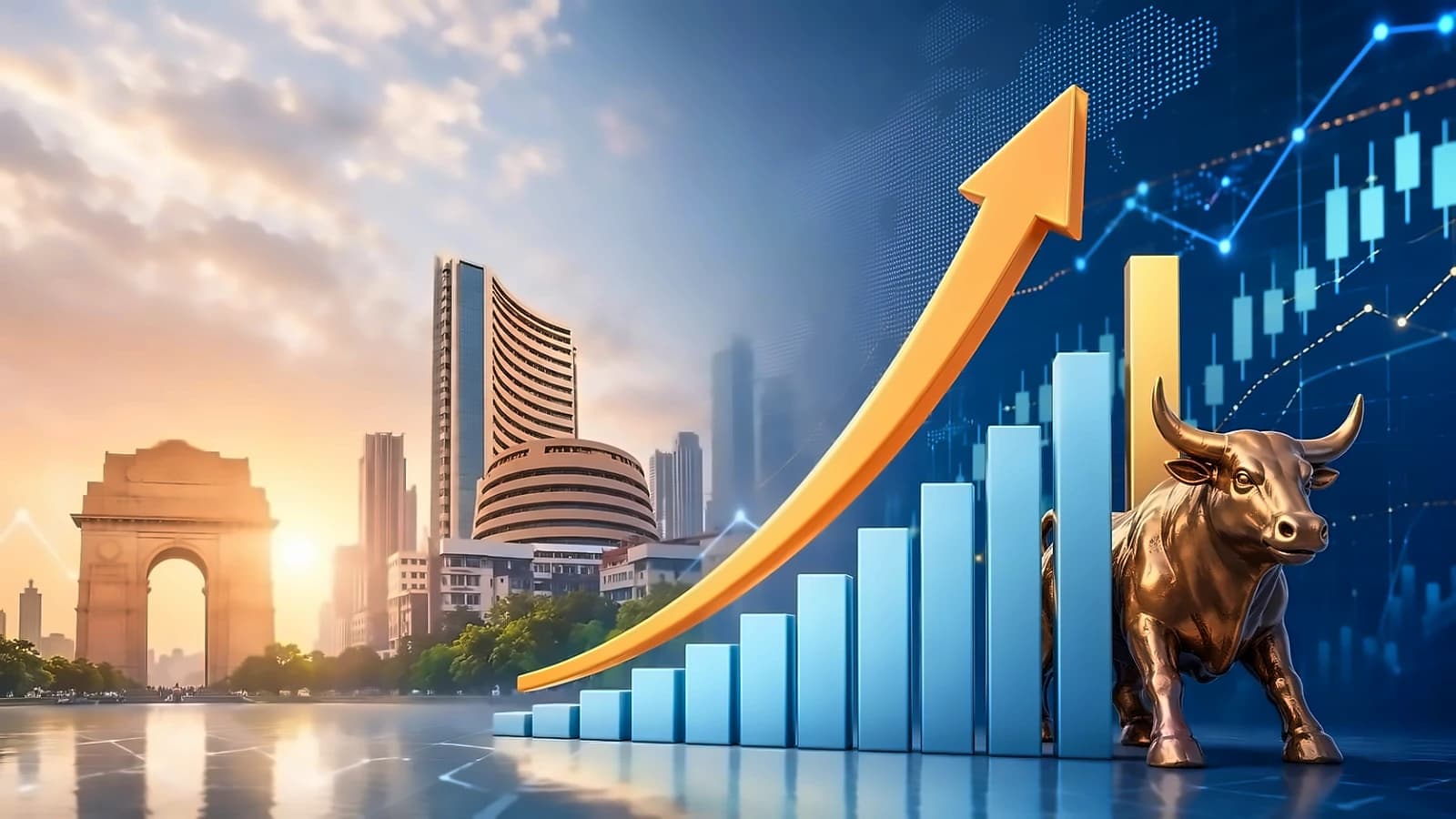
HSBC has upgraded Indian equities to 'neutral' from 'underweight', reversing the downgrade made three months ago over concerns that higher energy prices could weigh on the economy and markets. According to reports from CNBC TV18, the brokerage has also raised its year-end Sensex target to 84,000 from 80,500, implying an upside potential of 8.3% from current levels. Pranjul Bhandari, Chief India Economist/Strategist and ASEAN Economist at HSBC, explained that the bank remains cautiously positive on equities, bonds and foreign exchange over the next two months.
The biggest positive factor driving HSBC's improved outlook is the surge in FCNR-related inflows following the RBI's latest measures. As reported by CNBC TV18, HSBC expects $60-65 billion of inflows over the three-month window, including FCNR deposits and external commercial borrowings. These inflows should strengthen India's balance of payments while increasing domestic liquidity once the RBI swaps the dollars into the banking system. Bhandari noted that once domestic liquidity increases, it's generally positive for bonds and equities, with this theme expected to continue over August.
HSBC believes India's earnings outlook has become more encouraging, with earnings downgrades having eased and recent high-frequency economic indicators strengthening confidence that companies can deliver better results than feared earlier. According to Herald Van Der Linde, Head of Asia Equity Strategy at HSBC, as reported by CNBC TV18, valuations have also become more reasonable after a period of foreign selling. The brokerage views this as a tactical move that could become more structural if the earnings growth story continues to improve in India.
Despite the improved outlook, HSBC has identified two key factors that could change the picture. As reported by CNBC TV18, if crude oil prices rise well above $85 a barrel, it could hurt India's macroeconomic outlook. Additionally, investors will closely watch how the RBI manages the additional liquidity, with a gradual approach being more supportive for financial markets than aggressive withdrawal of liquidity.
The next phase of India's growth will depend on whether the services sector can pick up after manufacturing and exports carried the economy through recent quarters. According to Bhandari's analysis reported by CNBC TV18, HSBC will closely monitor the HSBC Services PMI, credit growth, airline traffic and other transportation indicators to judge whether services activity is gaining momentum. Improved liquidity could also support financial services, one of the country's largest contributors to GDP.