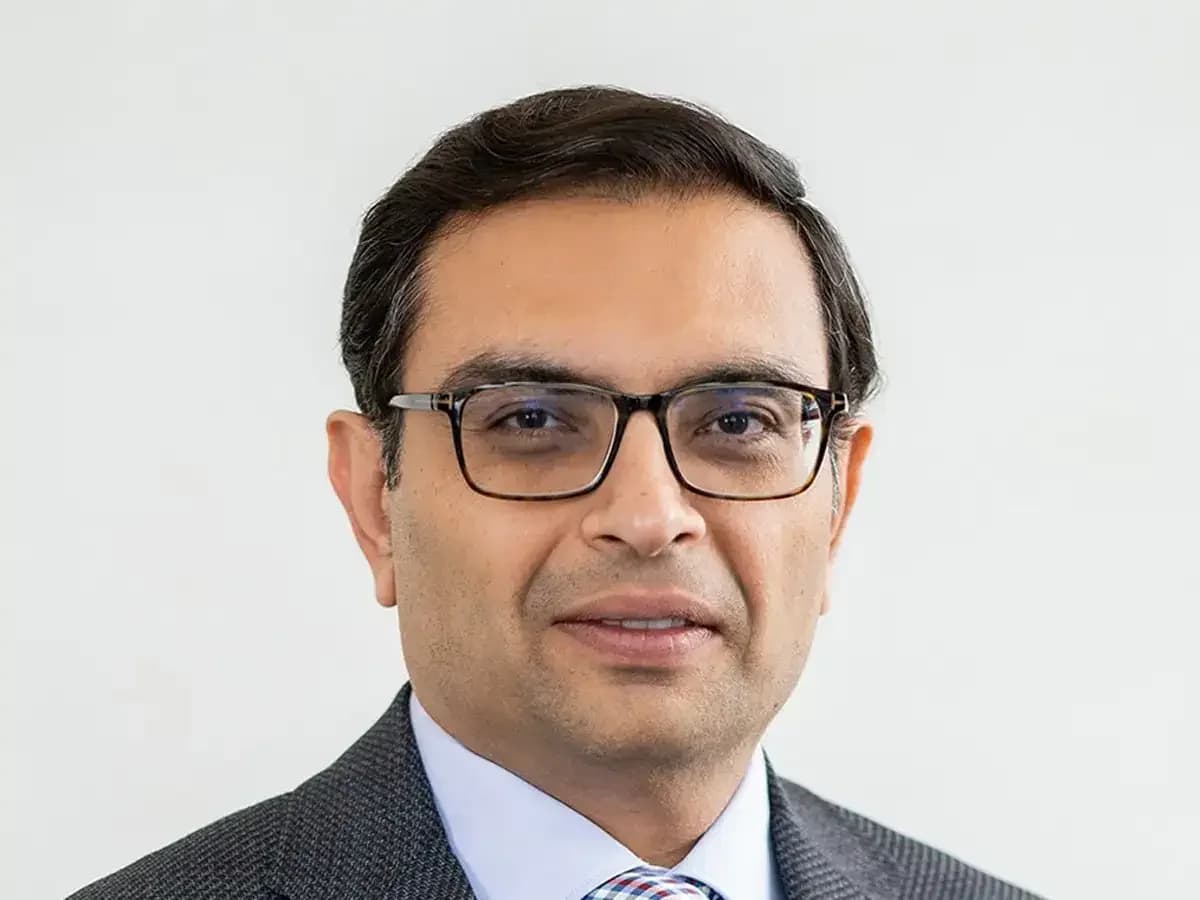
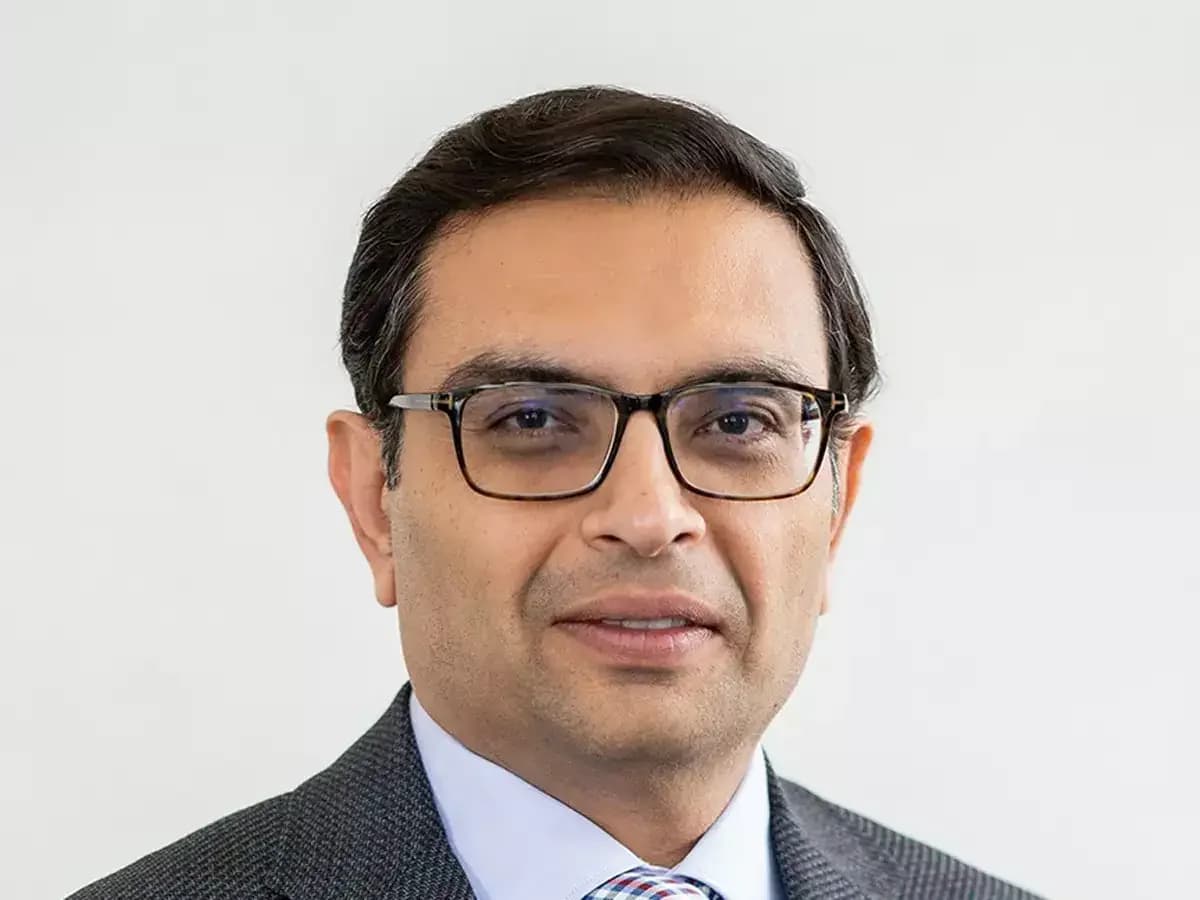
According to Hiren Ved from Alchemy Capital Management, financial markets react swiftly to news but often struggle to assess long-term implications. Speaking to ET Now, Ved highlighted the distinction between discounting news and reality, noting that narratives may be right or wrong, and only time reveals the truth. He emphasized that "In today's day and time, news gets discounted very quickly. But there is a difference between discounting news and trying to discount reality." He cited the 2024 general election example where markets initially reacted to expectations of a complete majority, causing a shift from defence and capex themes to consumer stocks. However, he pointed out that "Maybe these sectors or companies underperform for a year, but the reality eventually caught on and the trend reasserted itself." Ved stressed that successful long-term investing requires patience and conviction, stating that "Numbers speak for themselves. Narratives can come and go, news can be good or bad, but it is finally the numbers that matter."
Ved identified a global capex supercycle as one of the defining investment themes of the decade, driven by disruption, geopolitics, wars, and oil shocks. As reported by ET Now, he explained that countries are prioritizing defence, semiconductor technology, energy security, and supply-chain resilience. He believes these investments will continue regardless of short-term geopolitical developments, noting that countries cannot stop investing in electrification or energy security once they have been hurt fundamentally. Ved emphasized that even if wars stop and oil prices decline, these foundational capabilities remain critical for national security. He noted that "Every large country that has an ambition to become big is today trying to figure out how it can be self-sufficient or hedge itself. That is driving a large global capex cycle, and that is a reality."
Challenging the common narrative that India has no AI play, Ved highlighted the country's infrastructure ecosystem supporting AI development. According to ET Now, his team created a custom India AI index comprising physical businesses like power equipment, cooling equipment, cables, and data centre infrastructure. The equal-weighted 12-stock India AI index delivered a 52% compounded return in three years in dollar terms, significantly outperforming the Magnificent Seven plus Nvidia's 24% compounded return. Ved argued that most AI spending currently occurs at the infrastructure level, creating opportunities for companies supporting data centre development. He noted that "Currently in AI, most of the spending is happening at the infrastructure level. People are setting up data centres and related infrastructure." The index includes large-cap companies like Hitachi, GE, ABB, Siemens Energy, Apar, Polycab, and Blue Star that are indirectly linked to AI growth through infrastructure supply chains, providing critical components and systems for building and running data centres.
According to latest market analysis, PSU stocks are now positioned for potential opportunities after experiencing a bull run from June 2023 to June 2024, followed by a bear run for a year. As reported by HMT News, these stocks have shown higher-than-average volumes and outperformance in the bearish phase, suggesting they may not have declined as severely as other market segments. The analysis indicates that PSU stocks are not in the news anymore and are not being discussed on TV, creating a potential opportunity for investors to look at them from a different perspective. The focus should be on the category of business these stocks fall into rather than just their PSU status, as some sectors within this category may be undervalued due to broader market sentiment.