Despite HDFC Mutual Fund's introduction of temporary investment restrictions on large investors, HDFC Gold ETF units continue to trade normally on stock exchanges. According to the fund house's addendum dated June 4, 2026, the restrictions apply only to direct subscriptions from large investors and do not impact exchange-based transactions. Retail investors can continue buying or selling HDFC Gold ETF units through the National Stock Exchange and Bombay Stock Exchange using their demat and trading accounts. Exchange-traded funds are listed securities and can be purchased in the secondary market just like shares, ensuring that the latest restrictions do not prevent investors from gaining exposure to gold through the ETF route.
Following HDFC Mutual Fund's pioneering move to restrict large gold investments, multiple asset management companies are now evaluating similar measures for their gold ETF schemes. According to industry sources, several AMCs are actively considering restrictions on inflows into gold exchange-traded funds and Gold ETF Fund of Fund schemes amid growing concerns over rising gold imports and their impact on India's external account. This development represents a significant shift in the mutual fund industry's approach to managing gold investment products, with the potential for restrictions on large inflows to become a broader industry trend.
HDFC Mutual Fund has become the first major asset manager to restrict large subscriptions into gold-linked mutual fund schemes, implementing specific limits effective June 8, 2026. The fund house announced that investments of ₹25 crore and above in its Gold ETF will not be accepted, with restrictions applying to transactions received after 3 p.m. on June 5. Additionally, the fund house has imposed limits on investments in its Gold ETF Fund of Fund, capping monthly investments at ₹10 lakh while limiting lump-sum subscriptions. As per The Economic Times, Feroze Azeez, Joint CEO of Anand Rathi Wealth, suggested this move could be an attempt to protect investors from buying into an asset class after a sharp rally, a pattern that has been repeatedly witnessed across financial markets.
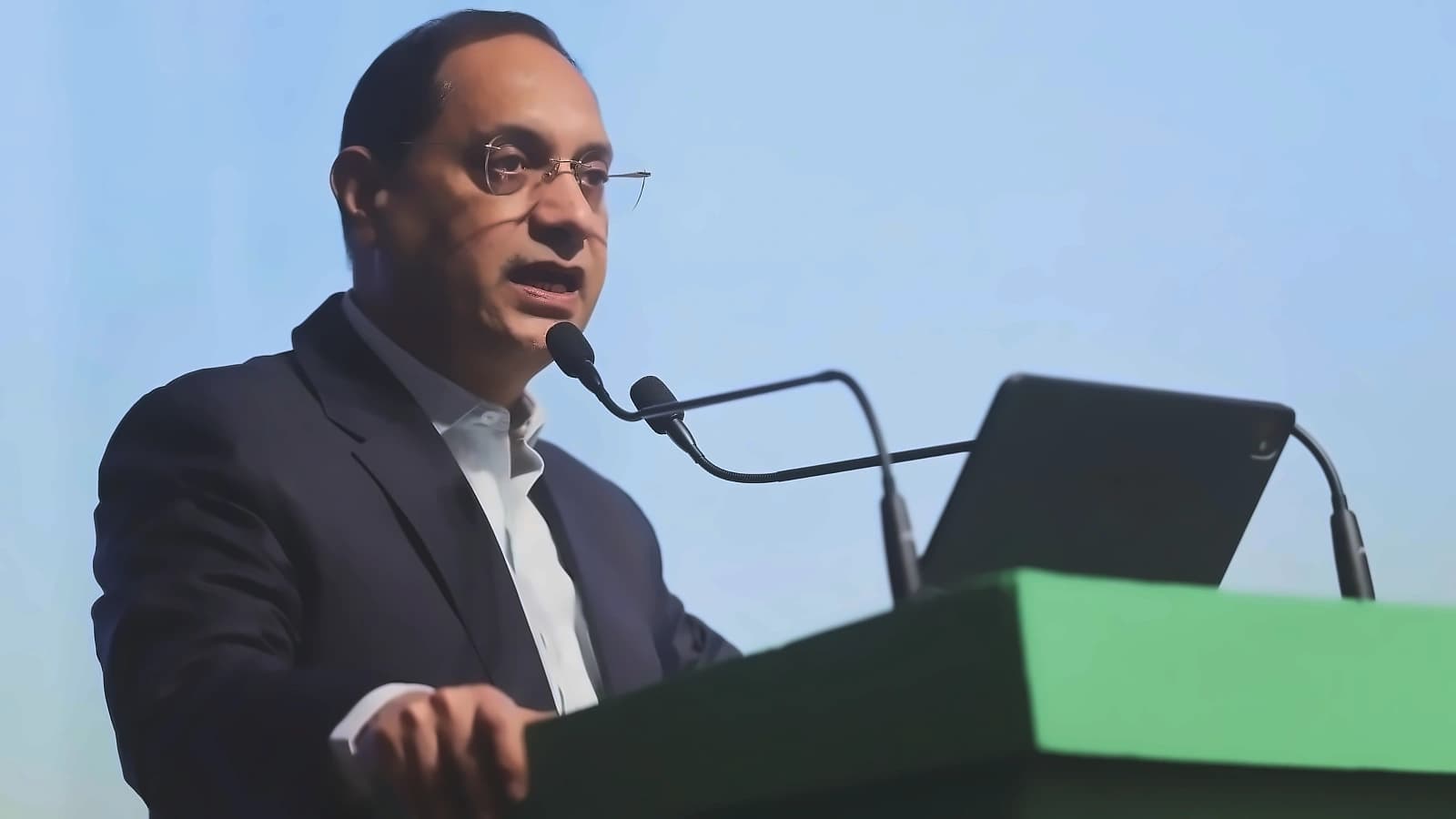
The significance of HDFC's move is underscored by the substantial scale of gold ETF assets under management. According to AMFI data, the four largest gold ETF managers together oversee more than ₹1.3 lakh crore in assets as of May 2026. Nippon India Mutual Fund leads the segment with approximately ₹58,000 crore of gold ETF assets under management, followed by ICICI Prudential Mutual Fund with about ₹26,000 crore, SBI Mutual Fund with nearly ₹24,000 crore, and HDFC Mutual Fund with approximately ₹23,000 crore. HDFC Mutual Fund CEO Navneet Munot stated that the decision was taken in view of prevailing economic and market conditions, specifically linking it to concerns around precious metal imports and their implications for India's external account.
The restrictions come amid a significant shift in investor activity within gold-linked investment products. India's gold ETFs posted net outflows of $61 million in May 2026, marking the first monthly outflow since May 2025, according to World Gold Council data. This reversal came after net inflows of $297.2 million in April, against the backdrop of volatility in gold prices and profit booking in wake of changes in import duties impacting domestic bullion prices. Azeez highlighted how investors often display a strong behavioural bias by gravitating toward assets only after they have already delivered substantial returns, noting that investors bought Bitcoin when it ran up, Nasdaq when it ran up, and gold when it rallied from $1,700-$1,800 to $5,600 in January this year. Despite recent profit-booking, gold ETFs witnessed net outflows of around 0.4 tonnes in May, with total gold ETF holdings remaining elevated at 116.3 tonnes.

The restrictions come amid broader government efforts to discourage excessive gold imports, with the government increasing customs duty on gold and silver from 6% to 15%. According to industry sources, concerns over gold inflows have gained prominence as India continues to be one of the world's largest importers of the precious metal. Higher gold imports can widen the current account deficit and put pressure on the country's external balances. HDFC Mutual Fund's move follows the withdrawal of its proposed Gold-Silver Passive Fund of Fund after Prime Minister Narendra Modi's call urging citizens to avoid excessive purchases of imported gold and instead channel savings into productive financial assets. The fund house has also encouraged investors to consider allocating savings towards equity and debt mutual funds, reflecting the broader policy push toward domestic asset allocation.