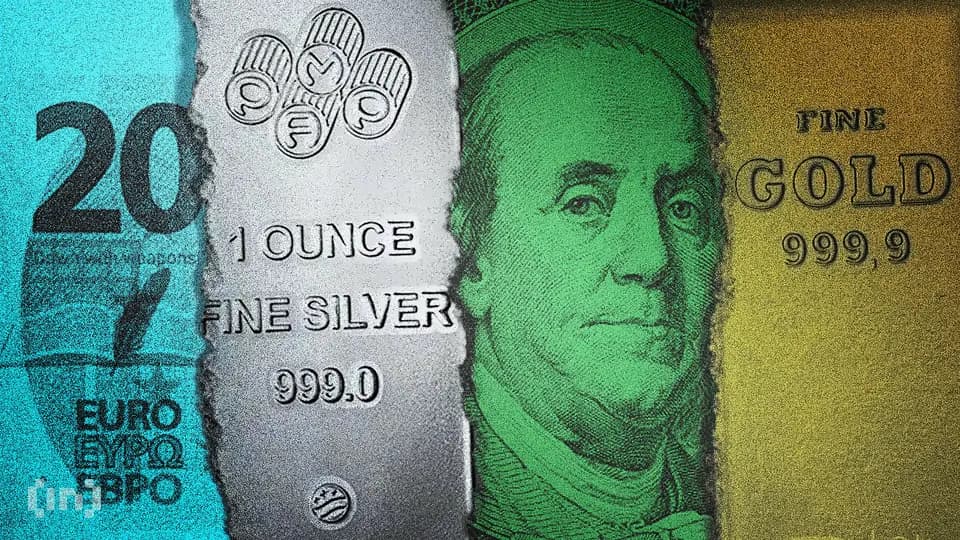
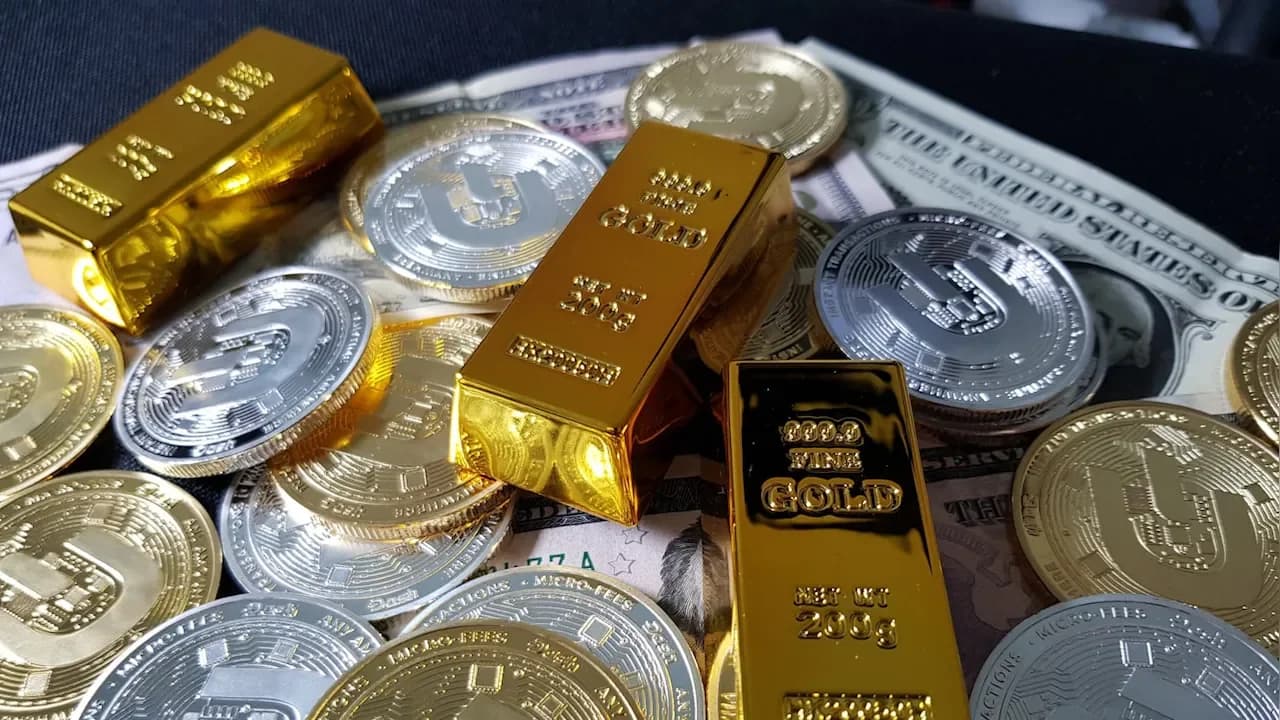
Jeffrey Gundlach, chief investment officer of DoubleLine Capital and often referred to as the Bond King, has advised investors to allocate 20% of their portfolios to cash and 20% to hard assets such as commodities in 2026, as reported by Business Insider. This represents an increase from his earlier recommendation of 10%-15% allocation to commodities. Gundlach specifically recommends buying gold if it dips below $3,500 per ounce, stating he would buy it "with both hands" at that level, though he did not suggest a fixed allocation to gold. As of May 7, 2026, gold is trading at $4,744.89 per ounce according to Priority Gold, representing a significant increase from previous levels.
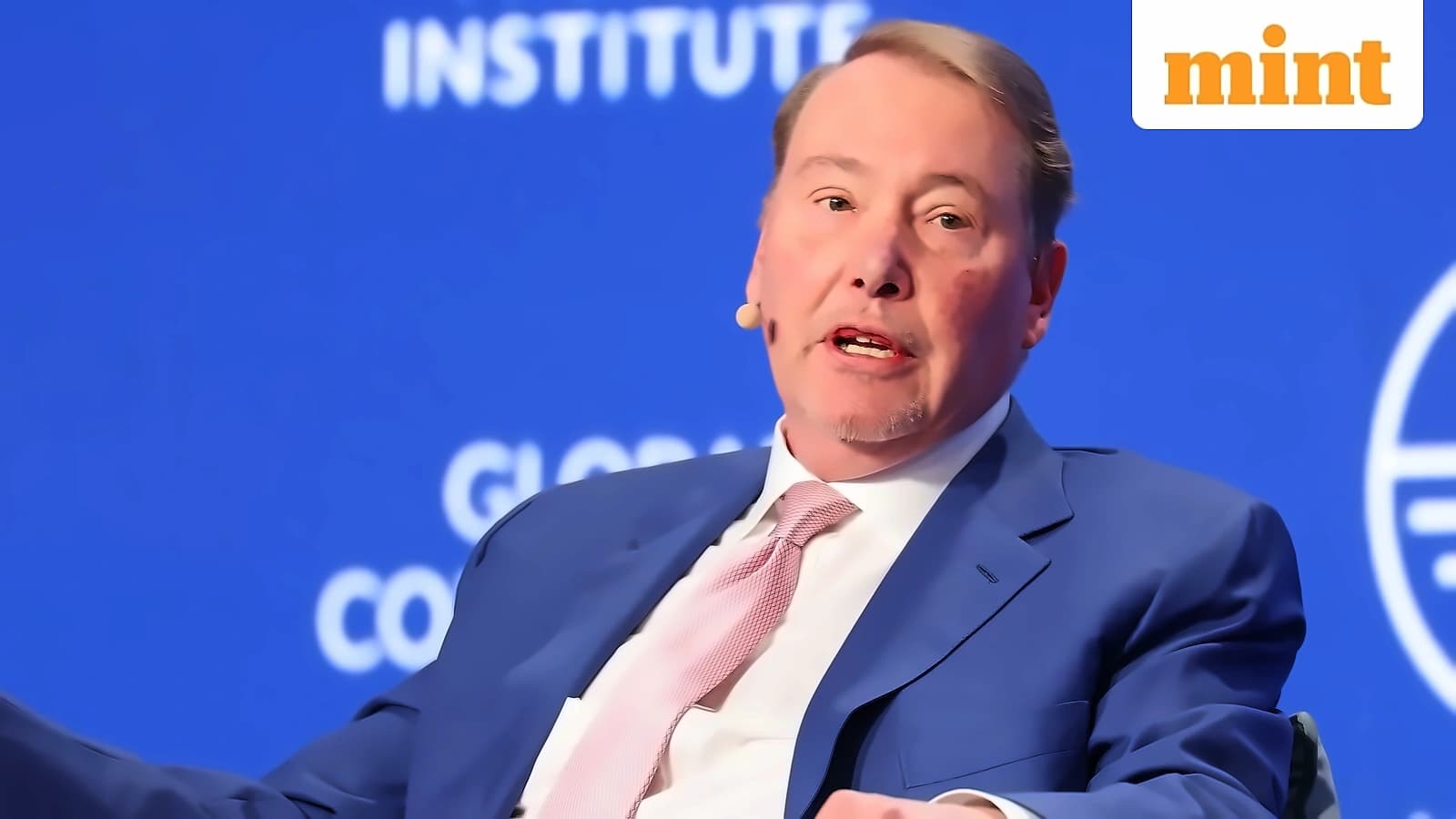
Despite the 17% rally in the S&P 500 from March 30th lows, Gundlach warns that this represents a relatively feeble performance compared to the melt-up dynamics seen in other key indices. The Nasdaq 100 has surged almost 28% from March lows, while the MAG7 has jumped 27%, according to his latest commentary. The rally has been accompanied by significant money market fund activity, with money market fund assets surging $122 billion last week, marking the largest weekly gain since December 3rd. Gundlach notes that this represents a fundamental breakdown in the relationship between borrowing demands and the price of finance, which are key indicators of Credit Bubble analysis.
Gundlach has revised his earlier prediction of two to three Fed rate cuts in 2026, stating that such expectations are unlikely to materialize. According to Business Insider, he warned that buying risk assets based on only two rate cuts would be "back on the wrong horse." The Iran war has pushed oil prices higher, raising fears of fresh inflation and reducing expectations of lower interest rates. Gundlach noted that hopes of Fed rate cuts helped markets rally over the past year, but the current geopolitical tensions have changed the outlook.
Gundlach is repositioning some of his funds for the extreme scenario that the US government could choose to restructure its debt in response to a potential future recession, according to Bloomberg. He has replaced higher-coupon Treasuries in some portfolios, including its flagship fund, with the lowest-coupon ones of the same maturity. Gundlach expressed concern that the US government might unilaterally lower coupons on all outstanding debt during a severe slowdown, potentially reducing coupons from 4% to 1% without changing the maturity of the debt.