According to The Economic Times, FY26 was largely a year of consolidation for Indian markets, with the Nifty rising ~7% and the Midcap Index gaining ~15% till end February. However, the escalation of the West Asian conflict triggered a sharp risk-off phase in March, with the Nifty declining ~11% in March alone. The year concluded with the Nifty down ~5%, while the Nifty Midcap 100 delivered modest positive returns of ~2%. Looking ahead, market expert Niraj Kumar from Generali Central Life Insurance believes that after nearly two years of time and price correction, the risk-reward for Indian equities has turned favourable, with the Nifty 50's 12-month forward PE moderating to ~17.5x below its long-term average.
As reported by The Economic Times, Kumar advocates a diversified portfolio approach with financials remaining a key focus area across banks and NBFCs, where concerns around LPG/LNG disruptions have led to sharp derating. Within lending, microfinance stands out as a turnaround opportunity after an 18-month period of borrower stress, with the inherently short credit cycle suggesting recovery is closer. The expert also likes non-lending financials such as asset managers, brokers, and exchanges, which benefit from strong structural growth themes. Post the recent correction, the firm has turned overweight on IT services, with valuations attractive at mid-teen multiples and 5-6% free cash flow yields.
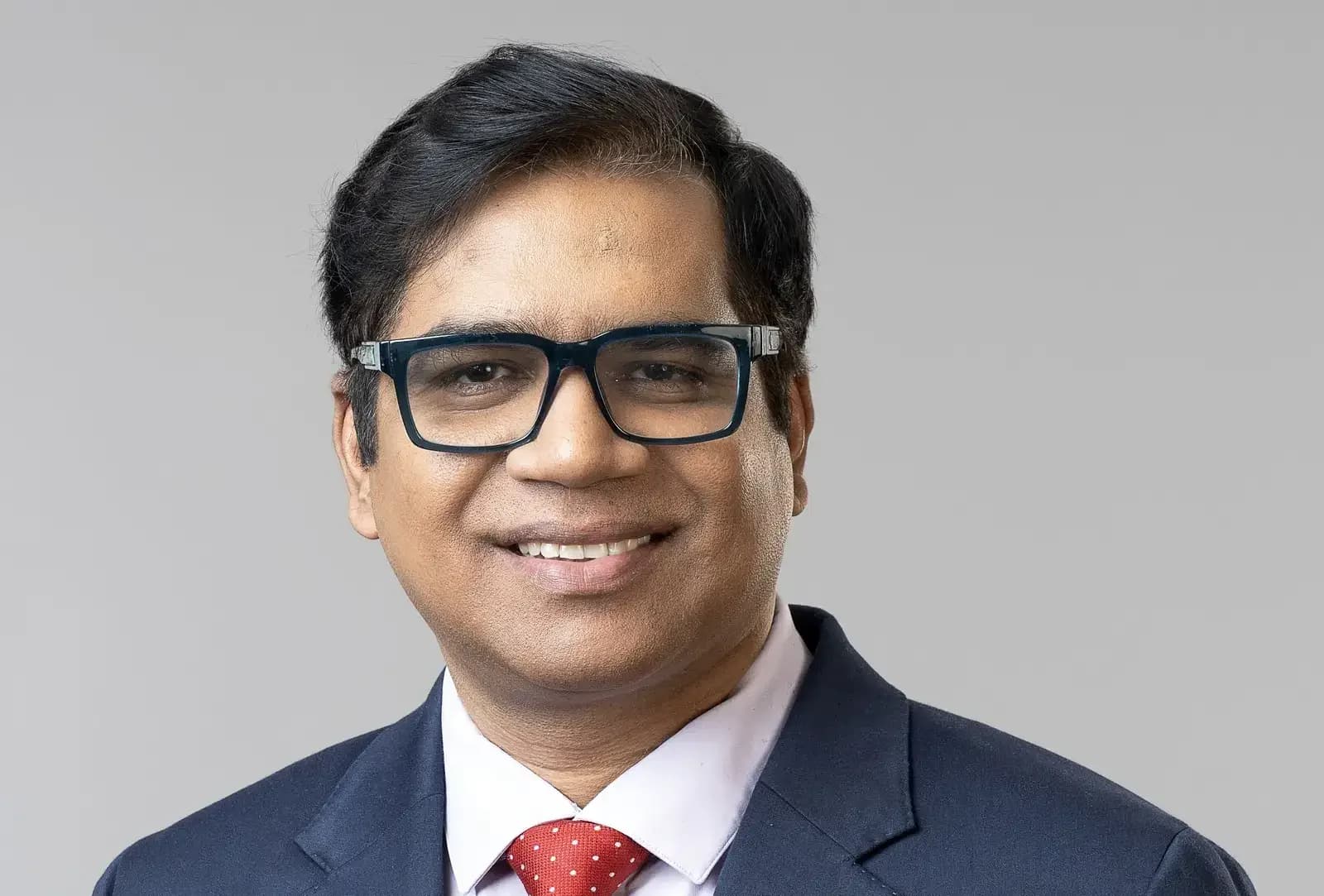
According to The Economic Times, India continues to trade at a premium to both developed and emerging market peers, with the Nifty 50's valuation premium versus the MSCI EM Index remaining around ~40%, slightly below long-term averages. Even under conservative assumptions of flat earnings growth, valuations are now broadly in line with post-COVID norms. Kumar notes that while global flows have favoured markets such as South Korea, Taiwan, and Brazil, driven by strong AI-led or commodity-linked earnings growth, India's structural premium is expected to persist due to favorable demographics and rising discretionary consumption.
As reported by The Economic Times, the most immediate trigger for a market reversal would be de-escalation in the West Asian conflict, particularly a ceasefire or diplomatic resolution between the US and Iran. Beyond geopolitics, markets will closely track Q4 earnings and management commentary, especially around resilience of growth despite recent disruptions. Kumar believes that as geopolitical conditions stabilise, FII flows could recover sharply, supported by India's strong structural growth, improving earnings visibility, and attractive valuations. The expert emphasizes that strong and resilient domestic liquidity continues to provide a powerful backstop.