India's microfinance sector achieved a significant milestone in Q4 FY26, recording its first sequential portfolio expansion in seven quarters with gross loan portfolio growing more than 3% to ₹3.25 trillion during the January-March quarter, according to the latest quarterly report by the Microfinance Institutions Network (MFIN). This marks the end of a prolonged downturn that began in the previous fiscal year. The sector's recovery was further bolstered by quarterly disbursements reaching ₹77,524 crore, the highest level in the past eight quarters, demonstrating renewed confidence in microfinance lending. As per The Economic Times, this represents the highest disbursement level in the last eight quarters, signaling a strong turnaround in sectoral performance.
Asset quality metrics improved significantly across all delinquency buckets during Q4 FY26. Portfolio at risk (PAR) for 31-180 days declined sharply to 2% from 6.3% a year ago, while PAR for 31-90 days improved to 0.8% and PAR for 91-180 days stood at 1.2% as of March-end, as reported by MFIN. This represents a substantial improvement from earlier stages, with PAR for 1-30 days recorded at 0.8% in April compared with 0.6% in the preceding month, according to CRIF High Mark data. The sector's credit quality has now returned to pre-March 2024 levels, providing strong foundation for continued growth. As per The Economic Times, this improvement in asset quality stress has been a key factor in the sector's revival, with the portfolio at risk for 31-180 days declining from 6.3% to 2% year-on-year.
The sector's market structure remained stable with NBFC-MFIs continuing to dominate at 44.2% of outstanding portfolio, followed by banks at 32.7% share, while small finance banks and other NBFCs accounted for the remainder, according to MFIN data. However, funding conditions remained challenging, particularly for smaller microfinance institutions, with all-India financial institutions largely avoiding smaller players during the year, leaving banks, NBFCs, and external commercial borrowings as primary funding sources. On a year-on-year basis, outstanding portfolios declined across lender categories, with banks recording the sharpest decline at 30% while NBFC-MFIs reported a relatively modest decline of 2.7%.

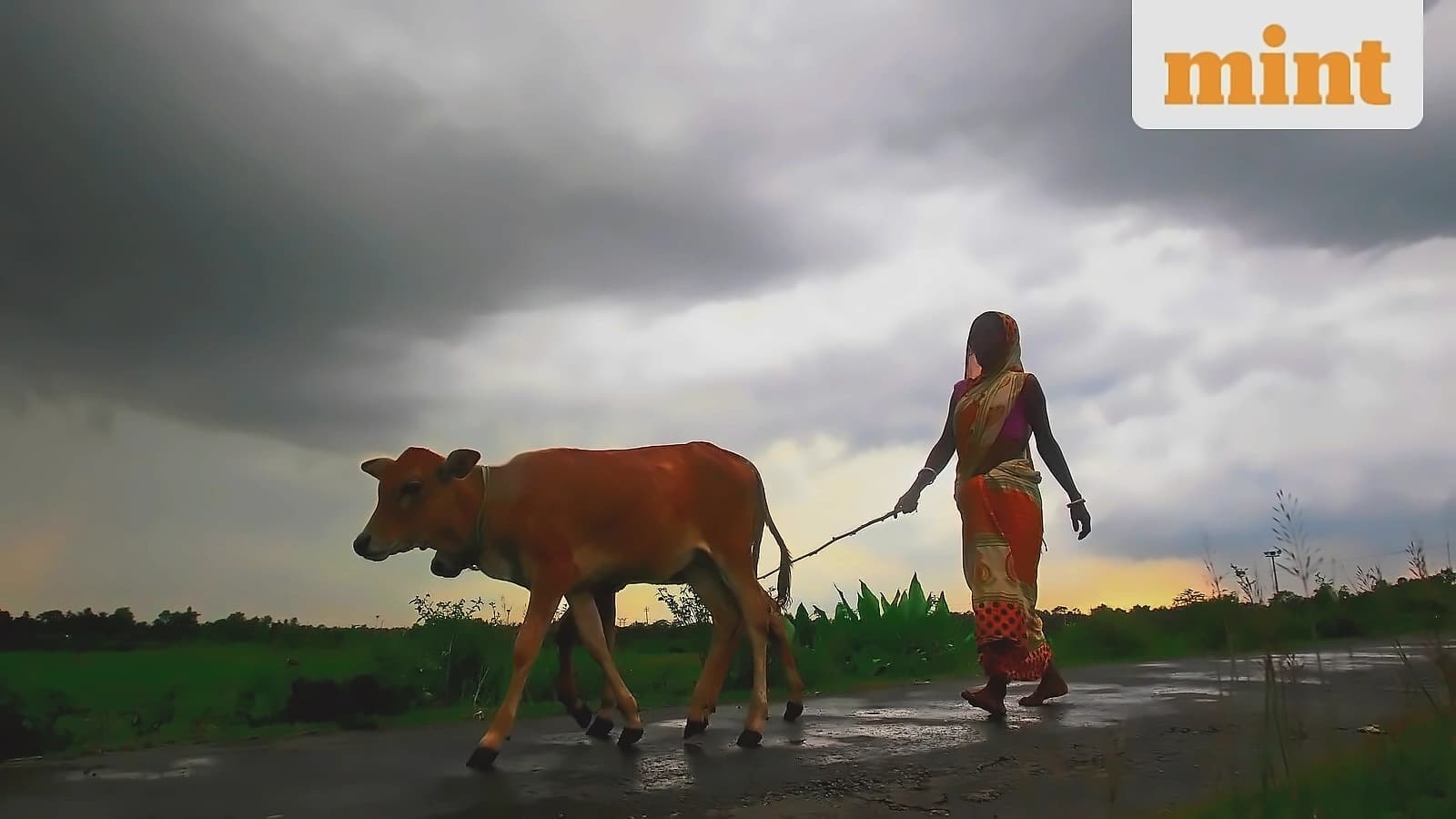
Despite the positive momentum, the sector faces significant headwinds from adverse weather and geopolitical conditions. The India Meteorological Department (IMD) has predicted below-normal rainfall between June and September due to the onset of El Niño conditions over the equatorial Pacific Ocean, which historically correlates with weaker monsoon rainfall for India. Additionally, the ongoing West Asia conflict could adversely impact rural livelihoods, potentially raising risks of new defaults in the ₹3.31 lakh crore microfinance sector. As per The Economic Times, MFIN CEO Alok Misra has flagged these concerns, noting that while positive factors augur well for the sector in 2026-27, players should consider the likely impact of a below-average monsoon prediction and West Asia conflict, which may affect rural livelihoods. The Reserve Bank of India has also raised concerns over higher inflation due to low average rainfall and supply chain disruptions due to geopolitical conflicts.
The government has extended the Credit Guarantee Scheme for Micro Finance Institutions (CGSMFI) 2.0 until August 2026, providing crucial support to the sector's recovery. The ₹20,000-crore scheme, announced on March 20, is aimed at improving bank fund flow for non-banking financial company-micro finance institutions (NBFC-MFIs) and consequent rise in on-lending to the bottom of the pyramid customer segment. As per The Economic Times, Misra expects the recent extension of the scheme till August 2026 will allow sufficient time for utilisation, noting that the sector has done its part by way of improved performance metrics riding on lending guardrails. He urged banks to come forward and actively support the cause of financial inclusion, emphasizing that it is time for banks to support the sector's recovery efforts.