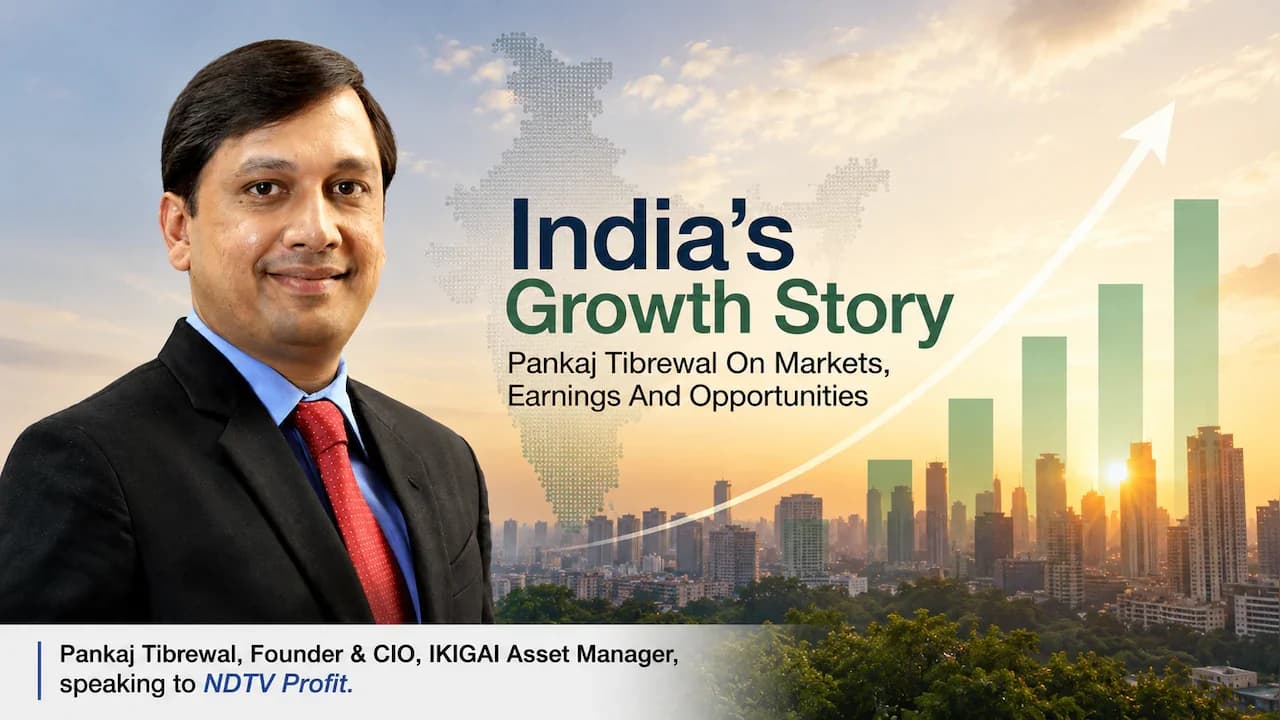
Foreign institutional investor (FII) flows are expected to play a decisive role in driving the next leg of the market rally, according to The Economic Times report featuring Saibal Ghosh. As reported by ETMarkets, Ghosh highlighted that while FY26 has been marked by volatility due to geopolitical tensions and global uncertainties, India's long-term structural story remains intact. The expert noted that a moderation in global themes such as the AI-led rally, along with improving earnings visibility and easing macro headwinds, could bring foreign investors back in a meaningful way, setting the stage for renewed bullish momentum in Indian equities.

According to The Economic Times report, this has been a challenging year for the market with geopolitical conflict disrupting momentum just as synchronized fiscal and monetary policies were beginning to restore growth traction. However, Ghosh emphasized that India's track record remains stellar with 15%+ returns over the last 10 years, proving that while the short term is bumpy, the long-term Indian equity story is still one of the best in the world. As reported by ETMarkets, while forex reserves remain a core strength, the country is navigating a capital account deficit - first since the Global Financial Crisis - which is now further exacerbated by the energy crisis and making the currency vulnerable.
As reported by The Economic Times, the overarching theme remains centered on the domestic growth story, but at this juncture, it is prudent to integrate a direct inflation proxy within the portfolio. Ghosh maintains a strong preference for the banking and financial services sectors as the primary growth play, noting that within the domestic framework, these sectors are the primary source for the high inflationary cycle expected to accelerate in the coming days. The expert believes that while the banking and real estate sectors have reached points where measured positions are warranted, the broader market remains expensive with few opportunities priced under reasonable assumptions when subjected to terminal growth rate modeling.
According to The Economic Times report, while gold is outside Ghosh's primary area of expertise, its role as a hedge during periods of heightened uncertainty is undeniable. However, current valuations are exceptionally stretched, which complicates tactical entry and suggests that traditional empirical prudence may not apply in the short term. Looking further ahead, Ghosh believes a structural allocation to gold is justified as U.S. fiscal dominance faces headwinds and gold increasingly replaces U.S. Treasuries as the premier global risk hedge. This strategic approach reflects the changing dynamics in global financial markets and investment allocation patterns.