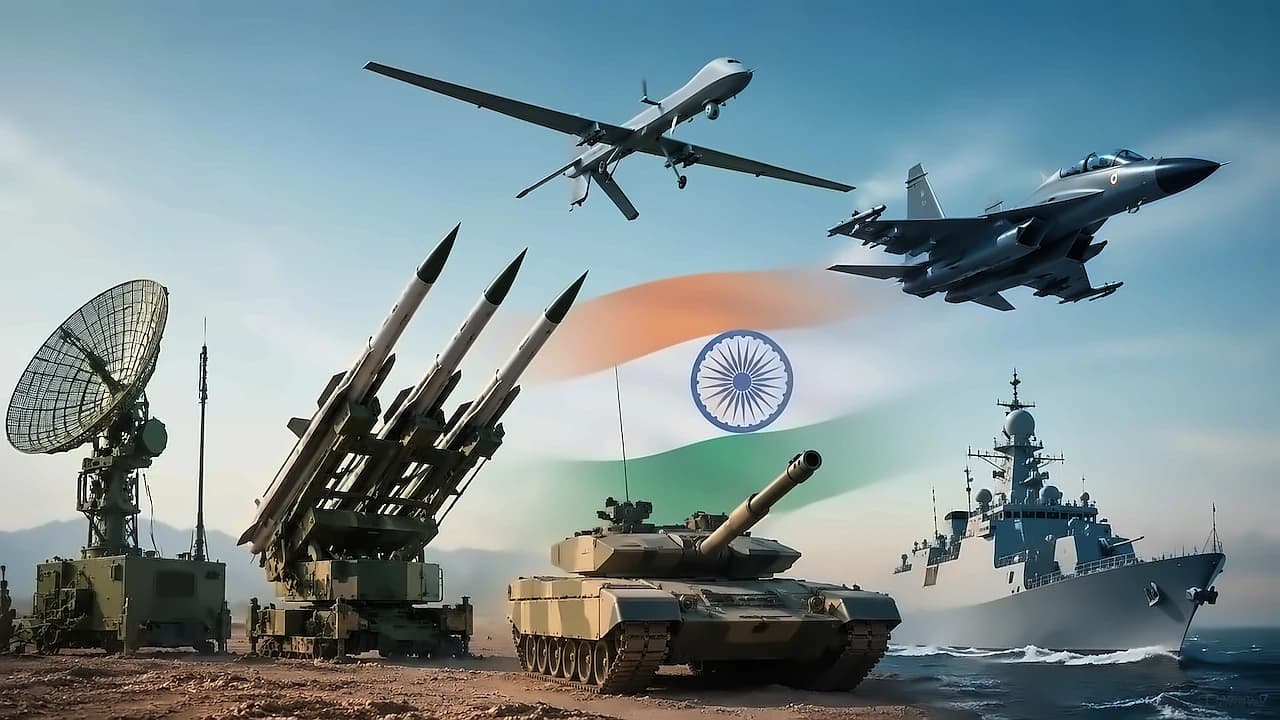
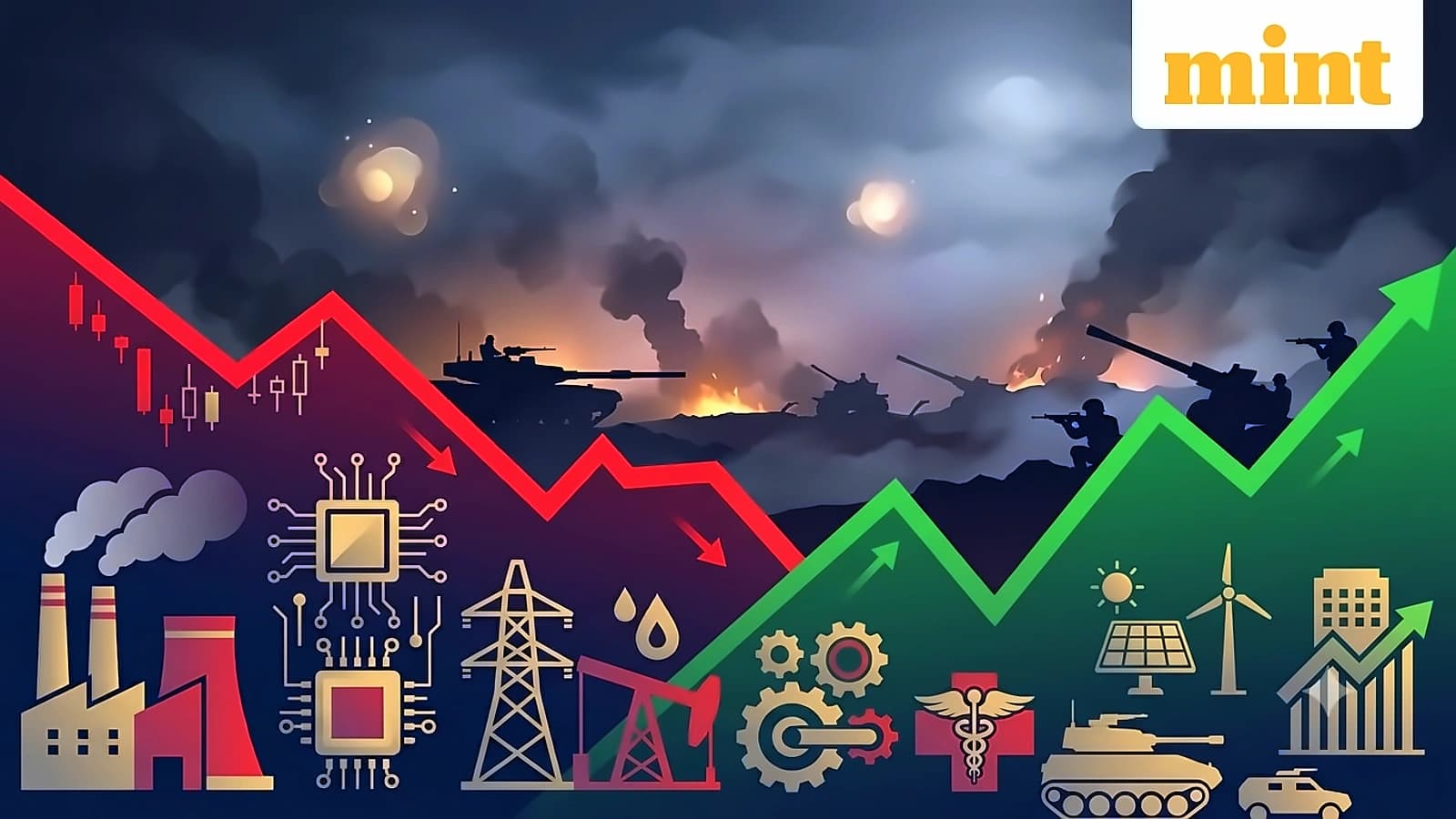
The ongoing US-Iran war, now in its sixth week, has intensified significantly with the White House proposing a record $1.5 trillion defence budget for fiscal 2027, representing a more than 40% increase in defence spending compared to the previous year. According to CNN, this proposal would push US military spending to its highest level in modern history, with $350 billion of the additional $445 billion planned for approval through upcoming legislation. The escalation comes as Iran claimed to have downed a US F-15E Strike Eagle fighter jet on Friday (April 3), marking the first US military aircraft hit by fire in over 20 years and demonstrating Tehran's continued ability to retaliate despite President Trump's assertions that Iran has been "completely decimated." The conflict has also seen Iran executing two men linked to opposition over attacks, demonstrating Tehran's continued retaliatory measures against US and Israeli forces. Iranian state media reported that Tehran had rejected a 48-hour ceasefire proposal from the US made through another country on Wednesday, with no immediate confirmation from US officials.
Despite weeks of sustained US-Israel airstrikes, Iran still holds nearly half its missile launchers intact after more than five weeks of military operations. According to three intelligence sources familiar with the assessment obtained by CNN, about half of Iran's missile launching systems remain intact, even after the sustained bombing campaign. The tally includes launchers that may be buried underground, hidden in tunnels, or otherwise inaccessible — not just those visibly destroyed. Intelligence reports confirm that thousands of attack drones remain fully operational across multiple bases, with underground missile storage and mobile launch platforms continuing to evade precision targeting efforts. Coastal cruise missiles still threaten vital oil routes in the Strait of Hormuz, while IRGC naval forces maintain asymmetric warfare readiness in Gulf waters. The US military maintains that Iranian missile and drone attacks have decreased significantly since hostilities began, but analysts warn that destruction timelines are longer than expected and regional escalation risks remain high.
While President Trump claims the US is "totally independent" of the Middle East and produces "millions of barrels" from Venezuela, the reality shows a different picture as average nationwide fuel prices breached $4 per gallon for the first time since 2022 earlier this week. According to The Guardian, a month has passed since the US and Israel's war on Iran all but closed the strait of Hormuz, through which about a fifth of the world's oil supplies typically flow. "Go get your own oil!" Trump urged countries including the UK earlier this week, but experts say talk of US 'energy independence' is a smokescreen - with consumers paying the price. "Simply being a net exporter doesn't differentially protect American households" from higher prices, said Neale Mahoney of the Stanford Institute for Economic Policy Research. "Because of the oil price increasing, it is going to be beneficial to certain sectors of the US economy – the energy production sectors – and certain states within the US: Texas, New Mexico, North Dakota, big energy-producing states," he added. "While it doesn't protect the US consumer, and US consumers will be feeling the squeeze, there are winners as well as losers in the US."
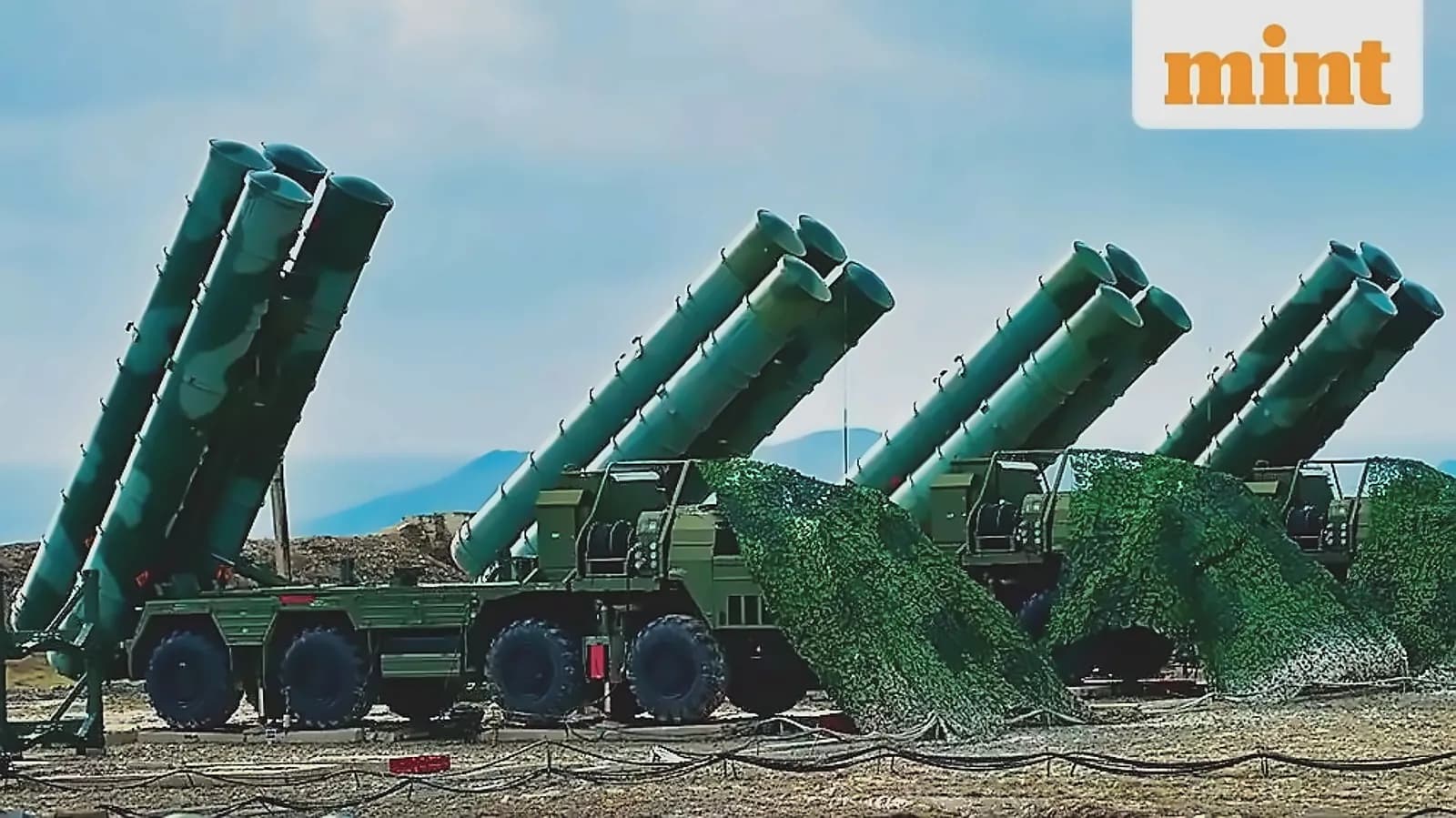
India has executed a series of significant defence agreements that are expected to drive sector growth. According to Seema Srivastava, Senior Research Analyst at SMC Global Securities, these deals include India's plan to acquire 22 Apache attack helicopters and 15 Chinook heavy-lift helicopters from Boeing, as well as a deal with France for 26 Rafale fighter jets. These agreements focus on indigenous production and export opportunities, with India's defence budget expected to increase by 15.20% to ₹7.85 lakh crore in FY26-27. The global defence sector is experiencing similar momentum, with more than 3,000 drones and missiles fired on the United Arab Emirates, Saudi Arabia, Bahrain and Kuwait since the start of the conflict, according to the Center for Strategic and International Studies.
Several defence companies have demonstrated robust financial performance that positions them well for future growth. As reported by Mint, HAL's revenue grew 10.7% YoY, with PAT rising 29.6% YoY, driven by robust execution and order book visibility. BEL's revenue surged 23.7% YoY, with PAT up 20.8% YoY, backed by a diversified portfolio across radars, communication systems, and electronic warfare. These companies are well-positioned to benefit from the current defence sector momentum, with the global defence tech sector showing continued strength as autonomous ship startup Saronic announced a $1.75 billion funding round and drone company Shield AI secured a $2 billion raise this week. The Pentagon data shows 247 US troops wounded—mostly Army enlisted—with 13 combat deaths in the ongoing Iran conflict, highlighting the critical role of defence technology in current operations.
Market experts have identified specific defence stocks for investment consideration amid the geopolitical tensions. According to Sandeep Pandey, Co-founder of Basav Capital, investors may look at HAL, GRSE, Data Pattern, Zen Technologies, and MTAR Technologies for the medium to long term. Seema Srivastava of SMC Global Securities recommends HAL and BEL as attractive investment options given their robust order books and diversified portfolios, while noting that BDL faces execution challenges and dependence on lumpy orders. The global defence tech sector is also attracting venture capital attention, with companies like Estonian drone startup Frankenburg technology and Ukrainian-UK Uforce stepping up hiring plans in the Middle East as a result of the Iran war. NATO Secretary General Mark Rutte will visit the United States from April 8-12 to meet President Trump amid rising alliance frictions over the escalating Iran conflict, with the visit focusing on transatlantic security and Nato's role in the Middle East crisis.