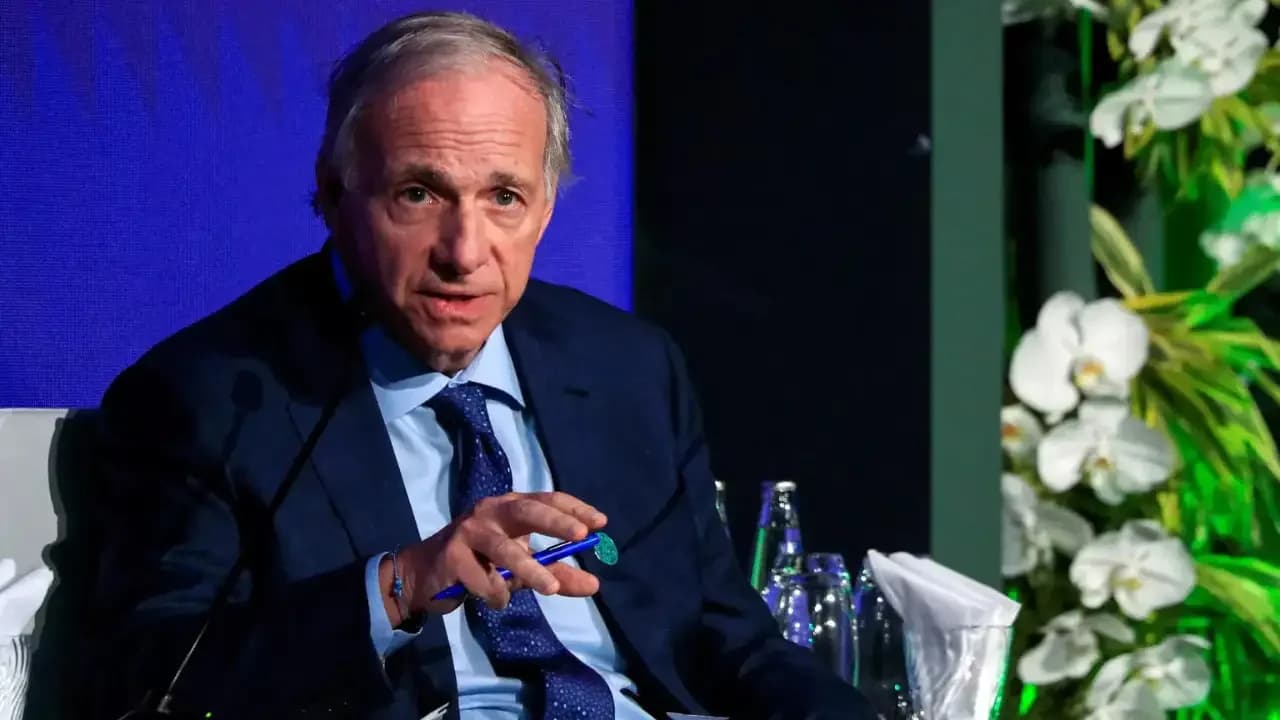
Veteran technology investor Dan Niles is rethinking his long-held negative view on software stocks as artificial intelligence adoption may boost software demand. According to reports from The Financial Express, the market appeared to follow a simple AI trade throughout 2026, with the Philadelphia Semiconductor Index (SOX) surging 62% while the software-focused IGV ETF gained only 4%, trailing the S&P 500's 13% rise. However, Niles now believes this story may be changing, with the trade flipping since late June when major momentum began to unravel. Through August 28, the IGV software ETF had risen 25% while the SOX index had fallen 22%.
A fundamental shift in Niles' thinking centers on the possibility that AI agents could use software 10 to 100 times more frequently than humans. As reported by The Financial Express, this could turn the traditional assumption on its head, where AI was expected to eliminate the need for many software products. Instead, AI agents could end up using traditional software tools much more frequently than humans, potentially creating more demand for software rather than destroying it. This possibility is making Niles reconsider whether the market was too quick to assume that AI would destroy the value of traditional software companies.
Three recent corporate developments have played an important role in Niles' shift. According to The Financial Express, Atlassian reported strong earnings and guidance on August 6, with its stock jumping 35%, suggesting investors may have underestimated the company's ability to remain relevant in an AI-driven world. Workday saw its shares rise 18% on August 13 following reports that private equity firm Silver Lake could pursue an acquisition, with Niles believing this development "probably put a floor underneath software." Salesforce gained 23% after reporting results and guidance on August 26, announcing a new deal with Anthropic that would allow users to execute actions directly inside Claude without opening traditional software screens.
Despite his positive shift on software stocks, Niles maintains his cautious view on AI as a bubble. As reported by The Financial Express, he previously described AI as "100%" a bubble but believes the boom may not collapse for at least another year. He remains constructive on Nvidia's risk-reward but warns that chip shortages could lead customers to over-order, making demand appear stronger than it really is. Niles estimates that companies spend around ₹2,75,000 crore to ₹4,12,500 crore on knowledge workers, representing roughly 30% of the global workforce, and believes AI could fundamentally change where companies spend their money even if it doesn't destroy software entirely.
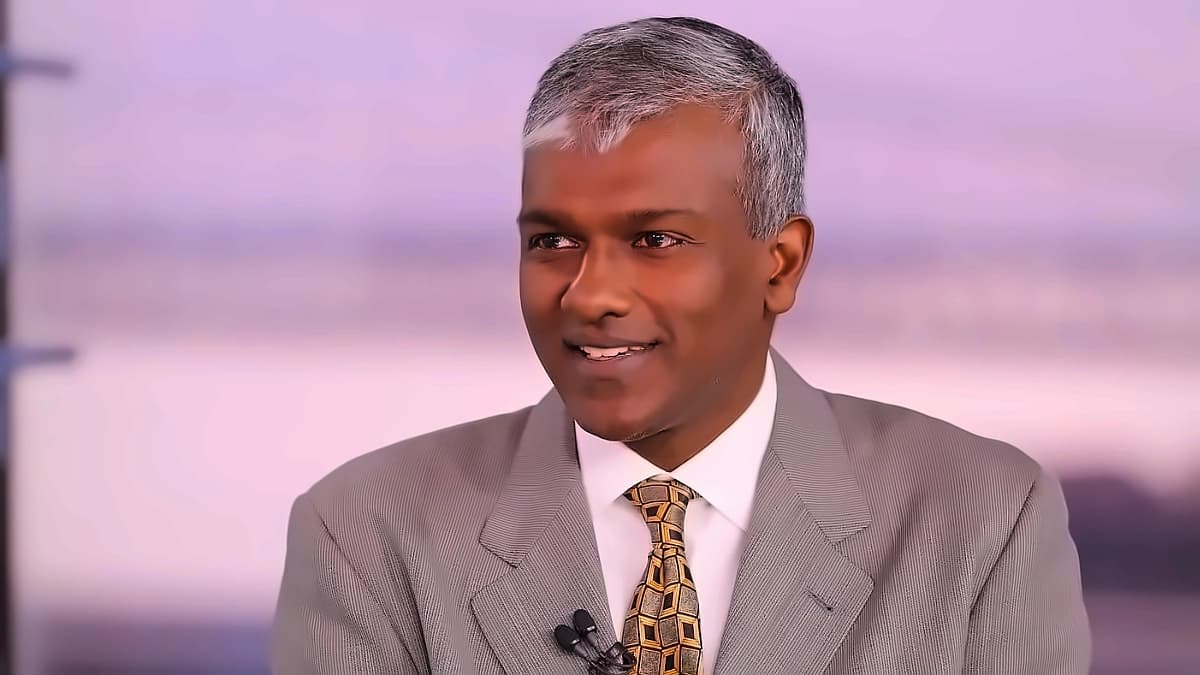
Niles' latest thinking suggests that investors may have been too broad in assuming that AI would hurt the entire software industry, though he hasn't abandoned warnings entirely. According to The Financial Express, he previously warned that "some real companies are going to go to zero in the software space" and believes database and cybersecurity companies could be among the most resilient parts. He continues watching several factors that could shape markets, including potential Venezuelan oil field deals, Federal Reserve rate hike expectations, and growing bipartisan opposition to data center expansion. The investor who long believed only a few parts of software were safe is beginning to wonder whether AI could create opportunities across a much wider section of the industry.