
The Middle East conflict has evolved from a simple oil story into a global growth crisis, according to Stephen Innes, Managing Partner at SPI Asset Management. As reported by ETMarkets, Innes explained that what initially appeared as an inflation shock is now rapidly becoming a growth shock. The energy crisis is creating a stagflationary environment—combining rising inflation with weakening growth—which is particularly toxic for global equities. This represents a fundamental shift from the previous environment where most major central banks were positioning for interest rate cuts to support both economic growth and stock market valuations.
Despite the challenging macro backdrop, Innes identified electric vehicles as a sector that will emerge stronger from the energy crisis. As reported by ETMarkets, he specifically highlighted the electronification market and EV markets in China as attractive hedges for investors. "An energy shock is going to encourage more people to go out and buy electric cars," Innes stated, noting that China has very well-priced electrical vehicles and India is manufacturing them too. He emphasized that it's always cheaper to get in early, suggesting that the long-term structural case for EVs is being accelerated by the current crisis, making early entry attractive for investors with a medium-term horizon.
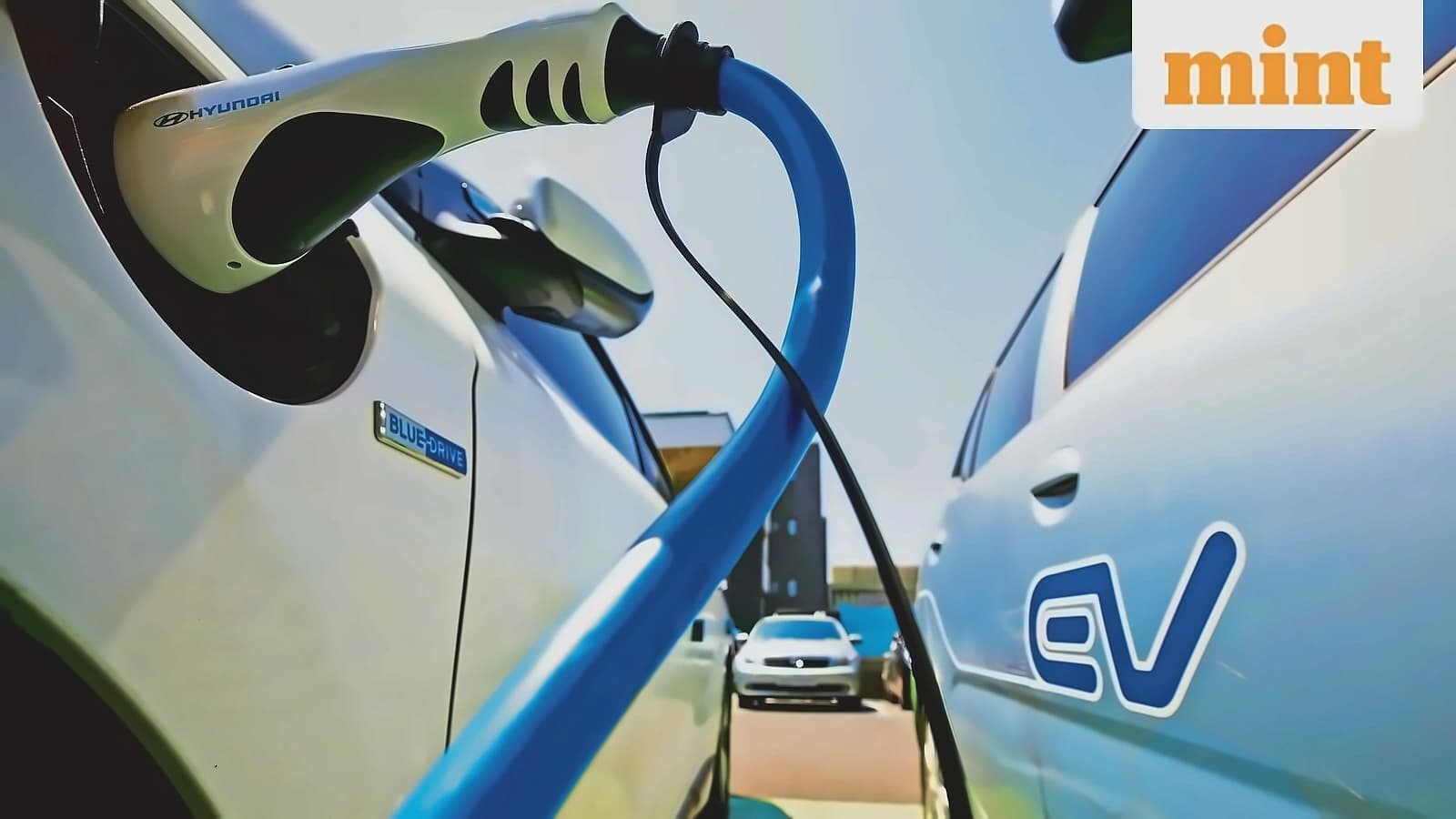
Market strategists at Emkay Global Financial Services believe that accelerating Electric Vehicle adoption could be one of the most impactful measures, potentially supported by the reintroduction of demand-side subsidies. As reported by Mint, a 10% subsidy on EVs could significantly enhance the three-year total cost of ownership advantage for two-wheelers—from 1% to 10% (and from 4% to 13% over five years). This could translate into an approximately 11 percentage point increase in EV adoption by FY35, raising penetration from 23% to 34% of the vehicle population. Under such a scenario, savings on fuel imports could potentially double, leading to an estimated ~12 percentage point improvement in the CAD. Emkay's top picks include Ather Energy with a 'Buy' rating and target price of ₹1,000 per share, and TVS Motor Company with a 'Buy' rating and target price of ₹4,500 per share.
India is targeting an approximately 18% compound annual growth rate (CAGR) in renewable energy capacity through FY30, with the share of renewable power generation expected to rise to 50% of total generation. As reported by Mint, execution challenges remain key bottlenecks, particularly around transmission infrastructure, evacuation constraints, and land acquisition. The brokerage prefers companies with strong positioning in the renewable value chain, including Waaree Energies (target price ₹4,260), Adani Green Energy (target price ₹1,350), and Voltamp Transformers (target price ₹10,000).
India's operational strategic petroleum reserves currently cover approximately 5-6 days of consumption, with oil public sector undertakings maintaining an additional ~50 days of commercial inventory. According to Mint, the government is in the process of expanding SPR capacity, with plans to increase coverage to 22 days post Phase 2 implementation by FY32, and further to 30 days by 2040. While these buffers provide resilience, the LPG situation is relatively more vulnerable as India imports nearly 55% of its LPG requirements from the Gulf and typically maintains reserves for 20-25 days.


